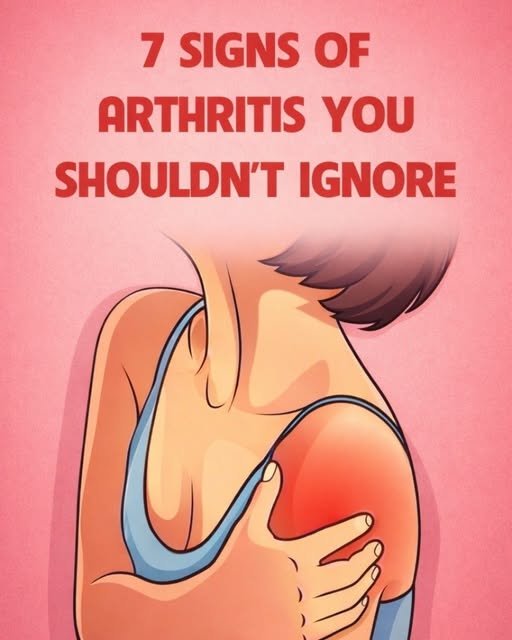
Arthritis is not a single disease—it is a group of more than 100 conditions that affect the joints, causing pain, inflammation, stiffness, and reduced mobility. The two most common types are Osteoarthritis (wear-and-tear arthritis) and Rheumatoid Arthritis (an autoimmune disease). Recognizing the early warning signs can help you get treatment sooner and reduce joint damage.
1. Persistent Joint Pain
Joint pain is often the earliest sign of arthritis.
What it feels like:
Aching, throbbing, or sharp pain in one or more joints
Pain that worsens with movement or after physical activity
Pain that may continue even while resting
Commonly affected joints:
Knees
Hips
Hands and fingers
Feet
Shoulders
Spine
When to be concerned:
If joint pain lasts longer than a few weeks or keeps returning, it’s worth discussing with a healthcare professional.
2. Morning Stiffness That Lasts
Feeling stiff after waking up is common, but prolonged stiffness may signal arthritis.
Normal stiffness:
Improves within a few minutes of moving around
Arthritis-related stiffness:
Lasts 30 minutes or longer
Makes it difficult to get out of bed
Improves gradually with movement
Morning stiffness lasting an hour or more is especially common in Rheumatoid Arthritis.
3. Swollen Joints
Inflammation causes excess fluid to collect around joints, making them appear swollen.
Signs include:
Puffiness around the joint
Warmth when touched
Tenderness
Tight skin around the joint
Swelling may come and go initially but can become persistent if arthritis progresses.
4. Reduced Range of Motion
Healthy joints move freely. Arthritis can gradually limit movement.
Examples:
Difficulty bending your knees
Trouble opening jars
Inability to fully straighten your elbow
Difficulty turning your neck
Reduced flexibility often develops slowly and may worsen without treatment.
5. Joint Redness and Warmth
Inflamed joints often feel warmer than surrounding skin.
Possible symptoms:
Redness
Warmth
Tenderness
Pain during movement
These symptoms may indicate active inflammation. If a joint becomes very painful, hot, swollen, and you develop a fever, seek urgent medical evaluation because a joint infection can also cause these symptoms.
6. Grinding, Clicking, or Popping Sounds
You may hear or feel grinding noises when moving a joint.
Medical term: Crepitus
This may occur because:
Cartilage has worn away
Joint surfaces become rough
Bones rub against each other
Occasional painless popping is common and doesn’t always indicate arthritis. Persistent grinding with pain or swelling is more concerning.
7. Weakness and Difficulty Performing Daily Activities
As arthritis progresses, everyday tasks may become harder.
You may notice difficulty:
Walking upstairs
Standing for long periods
Gripping objects
Writing
Buttoning clothes
Carrying groceries
Pain, stiffness, and reduced muscle strength around affected joints can all contribute to these challenges.
Risk Factors for Arthritis
Several factors increase the likelihood of developing arthritis:
Age (risk increases with age for many types)
Family history
Previous joint injuries
Excess body weight
Repetitive joint stress from work or sports
Autoimmune disorders
Smoking (especially increases the risk of Rheumatoid Arthritis)
When to See a Doctor
You should seek medical evaluation if you have:
Joint pain lasting more than a few weeks
Swelling that doesn’t improve
Morning stiffness lasting 30 minutes or more
Difficulty using a joint
Increasing pain despite rest
Red, hot, swollen joints—especially if accompanied by fever
Early diagnosis can help slow disease progression, reduce pain, and preserve joint function.
How Arthritis Is Diagnosed
A healthcare professional may recommend:
Physical examination
Blood tests (particularly if inflammatory arthritis is suspected)
X-rays
Ultrasound
MRI scans
Joint fluid analysis in selected cases
Treatment Options
Treatment depends on the type and severity of arthritis and may include:
Physical therapy and regular exercise
Weight management, if appropriate
Heat or cold therapy
Over-the-counter pain relievers or anti-inflammatory medicines, when suitable
Prescription medications, including disease-modifying treatments for conditions like Rheumatoid Arthritis
Joint injections in some cases
Surgery, such as joint replacement, for severe joint damage
Tips to Protect Your Joints
Stay physically active with low-impact exercises like walking, swimming, or cycling.
Maintain a healthy weight to reduce stress on weight-bearing joints.
Stretch regularly to maintain flexibility.
Use proper posture and body mechanics.
Avoid smoking.
Eat a balanced diet rich in fruits, vegetables, whole grains, and sources of omega-3 fats.
Key Takeaway
Arthritis is not a single disease—it is a group of more than 100 conditions that affect the joints, causing pain, inflammation, stiffness, and reduced mobility. The two most common types are Osteoarthritis (wear-and-tear arthritis) and Rheumatoid Arthritis (an autoimmune disease). Recognizing the early warning signs can help you get treatment sooner and reduce joint damage.
1. Persistent Joint Pain
Joint pain is often the earliest sign of arthritis.
What it feels like:
Aching, throbbing, or sharp pain in one or more joints
Pain that worsens with movement or after physical activity
Pain that may continue even while resting
Commonly affected joints:
Knees
Hips
Hands and fingers
Feet
Shoulders
Spine
When to be concerned:
If joint pain lasts longer than a few weeks or keeps returning, it’s worth discussing with a healthcare professional.
2. Morning Stiffness That Lasts
Feeling stiff after waking up is common, but prolonged stiffness may signal arthritis.
Normal stiffness:
Improves within a few minutes of moving around
Arthritis-related stiffness:
Lasts 30 minutes or longer
Makes it difficult to get out of bed
Improves gradually with movement
Morning stiffness lasting an hour or more is especially common in Rheumatoid Arthritis.
3. Swollen Joints
Inflammation causes excess fluid to collect around joints, making them appear swollen.
Signs include:
Puffiness around the joint
Warmth when touched
Tenderness
Tight skin around the joint
Swelling may come and go initially but can become persistent if arthritis progresses.
4. Reduced Range of Motion
Healthy joints move freely. Arthritis can gradually limit movement.
Examples:
Difficulty bending your knees
Trouble opening jars
Inability to fully straighten your elbow
Difficulty turning your neck
Reduced flexibility often develops slowly and may worsen without treatment.
5. Joint Redness and Warmth
Inflamed joints often feel warmer than surrounding skin.
Possible symptoms:
Redness
Warmth
Tenderness
Pain during movement
These symptoms may indicate active inflammation. If a joint becomes very painful, hot, swollen, and you develop a fever, seek urgent medical evaluation because a joint infection can also cause these symptoms.
6. Grinding, Clicking, or Popping Sounds
You may hear or feel grinding noises when moving a joint.
Medical term: Crepitus
This may occur because:
Cartilage has worn away
Joint surfaces become rough
Bones rub against each other
Occasional painless popping is common and doesn’t always indicate arthritis. Persistent grinding with pain or swelling is more concerning.
7. Weakness and Difficulty Performing Daily Activities
As arthritis progresses, everyday tasks may become harder.
You may notice difficulty:
Walking upstairs
Standing for long periods
Gripping objects
Writing
Buttoning clothes
Carrying groceries
Pain, stiffness, and reduced muscle strength around affected joints can all contribute to these challenges.
Risk Factors for Arthritis
Several factors increase the likelihood of developing arthritis:
Age (risk increases with age for many types)
Family history
Previous joint injuries
Excess body weight
Repetitive joint stress from work or sports
Autoimmune disorders
Smoking (especially increases the risk of Rheumatoid Arthritis)
When to See a Doctor
You should seek medical evaluation if you have:
Joint pain lasting more than a few weeks
Swelling that doesn’t improve
Morning stiffness lasting 30 minutes or more
Difficulty using a joint
Increasing pain despite rest
Red, hot, swollen joints—especially if accompanied by fever
Early diagnosis can help slow disease progression, reduce pain, and preserve joint function.
How Arthritis Is Diagnosed
A healthcare professional may recommend:
Physical examination
Blood tests (particularly if inflammatory arthritis is suspected)
X-rays
Ultrasound
MRI scans
Joint fluid analysis in selected cases
Treatment Options
Treatment depends on the type and severity of arthritis and may include:
Physical therapy and regular exercise
Weight management, if appropriate
Heat or cold therapy
Over-the-counter pain relievers or anti-inflammatory medicines, when suitable
Prescription medications, including disease-modifying treatments for conditions like Rheumatoid Arthritis
Joint injections in some cases
Surgery, such as joint replacement, for severe joint damage
Tips to Protect Your Joints
Stay physically active with low-impact exercises like walking, swimming, or cycling.
Maintain a healthy weight to reduce stress on weight-bearing joints.
Stretch regularly to maintain flexibility.
Use proper posture and body mechanics.
Avoid smoking.
Eat a balanced diet rich in fruits, vegetables, whole grains, and sources of omega-3 fats.
Key Takeaway
The 7 signs of arthritis you shouldn’t ignore are:
Persistent joint pain
Morning stiffness
Swollen joints
Reduced range of motion
Joint redness and warmth
Grinding or popping with pain
Weakness and difficulty with everyday activities
Recognizing these symptoms early and seeking medical evaluation can improve symptom control and, for some types of arthritis, help prevent long-term joint damage.
The 7 signs of arthritis you shouldn’t ignore are:
Persistent joint pain
Morning stiffness
Swollen joints
Reduced range of motion
Joint redness and warmth
Grinding or popping with pain
Weakness and difficulty with everyday activities
Recognizing these symptoms early and seeking medical evaluation can improve symptom control and, for some types of arthritis, help prevent long-term joint damage.