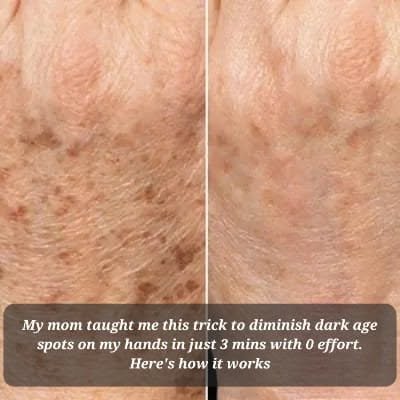
Here are approaches that do have evidence behind them:
- Daily sunscreen (SPF 30 or higher): Prevents existing spots from getting darker and helps stop new ones from forming.
- Topical ingredients:
- Vitamin C can help brighten skin over time.
- Niacinamide may reduce uneven pigmentation.
- Retinoids can increase skin cell turnover and gradually fade spots.
- Azelaic acid and kojic acid can also help with hyperpigmentation.
- Products containing hydroquinone can be effective in some countries but should be used according to medical guidance.
- Professional treatments: Chemical peels, laser therapy, cryotherapy, or intense pulsed light (IPL) performed by a dermatologist can produce faster and more dramatic results.
If the “3-minute trick” is a DIY remedy
You may see suggestions such as:
- Lemon juice
- Apple cider vinegar
- Baking soda
- Toothpaste
These are not well supported by scientific evidence for treating age spots and can irritate or even damage the skin, especially lemon juice, which can make skin more sensitive to sunlight.
A simple routine that may help
- Wash your hands with a gentle cleanser.
- Apply a serum containing vitamin C or niacinamide each morning.
- Use a moisturizer.
- Apply broad-spectrum SPF 30+ sunscreen to your hands every day, especially before driving or spending time outdoors.
- At night, consider a retinoid product if your skin tolerates it.
If your “mom’s trick” refers to a specific home remedy, tell me what ingredients it uses, and I can explain whether it’s likely to help, whether it’s safe, and what results you can realistically expect.