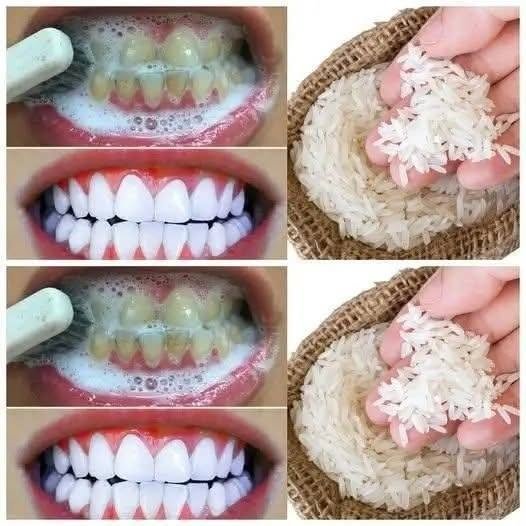
Here’s a detailed explanation of a commonly shared recipe and what actually happens.
Viral 1-Minute Kitchen Teeth Whitening Recipe
Ingredients
- 1 teaspoon baking soda
- ½ teaspoon coconut oil
- 1–2 drops peppermint oil (optional, for flavor)
Instructions
- Mix the baking soda and coconut oil into a smooth paste.
- Add peppermint oil if desired.
- Apply the paste to your toothbrush.
- Gently brush your teeth for about 1 minute.
- Rinse thoroughly with water.
- Brush again with regular fluoride toothpaste if you like.
Why Some People Notice Whiter Teeth
- Baking soda is a mild abrasive that can help remove some surface stains from coffee, tea, or smoking.
- Coconut oil helps create a smooth paste and may make teeth feel cleaner, though there’s limited evidence that it whitens teeth.
- The effect is usually from cleaning away surface discoloration rather than actually changing the natural color of the teeth.
Ingredients to Avoid
Some viral recipes recommend:
- Lemon juice
- Vinegar
- Strawberries
- Activated charcoal
- Hydrogen peroxide in high concentrations
These can wear down enamel, increase tooth sensitivity, or irritate your gums, especially with repeated use.
Is It Safe?
Using a baking soda paste occasionally (about once a week) is generally considered safe for most people, but it shouldn’t replace brushing twice daily with fluoride toothpaste. If you have sensitive teeth, gum disease, braces, or dental restorations, ask your dentist before trying DIY whitening methods.
For Better Whitening Results
If you want noticeable whitening that’s safer and more effective:
- Brush twice a day with fluoride toothpaste.
- Use a toothpaste formulated for stain removal.
- Limit coffee, tea, red wine, and tobacco.
- Consider dentist-approved whitening strips or professional whitening treatments for more significant results.
Reality Check
No kitchen recipe can permanently whiten teeth in 1 minute. If your teeth appear whiter immediately after using one, it’s usually because surface stains have been cleaned away or the teeth are cleaner and reflect light differently—not because the enamel has been bleached. Consistent oral hygiene and evidence-based whitening products provide more reliable and longer-lasting results.