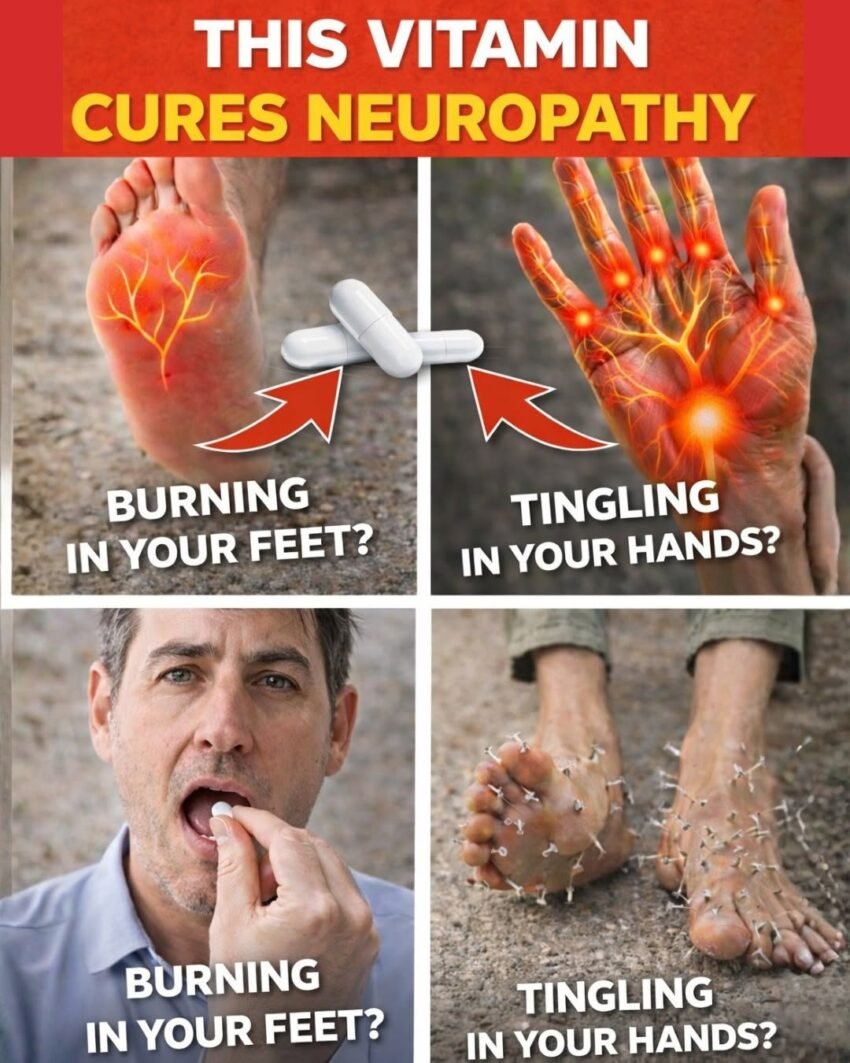
If you’re referring to the idea that one vitamin can transform life with neuropathy and nerve damage, the vitamin most commonly associated with this is vitamin B12. However, it’s important to know that B12 only helps if the nerve damage is caused by a B12 deficiency or if the deficiency is contributing to the symptoms. Neuropathy has many causes, and no single vitamin is a cure for all cases.
What is neuropathy?
Neuropathy (peripheral neuropathy) is damage to the nerves outside the brain and spinal cord. Symptoms can include:
- Numbness or tingling in the hands or feet
- Burning or stabbing pain
- Muscle weakness
- Loss of balance or coordination
- Increased sensitivity to touch
Why vitamin B12 is so important
Vitamin B12 is essential for:
- Maintaining the protective covering (myelin sheath) around nerves.
- Producing healthy red blood cells.
- Supporting DNA synthesis.
- Keeping the nervous system functioning normally.
When B12 levels are too low, nerves can become damaged, leading to numbness, tingling, weakness, and balance problems.
Who is at risk of B12 deficiency?
People at higher risk include:
- Adults over 60
- Vegetarians and vegans
- People taking metformin for diabetes
- People taking long-term acid-reducing medications (such as proton pump inhibitors)
- People with digestive disorders such as Crohn’s disease or Celiac disease
- People who have had stomach or intestinal surgery
Symptoms of B12 deficiency
Common symptoms include:
- Tingling in hands and feet
- Numbness
- Burning feet
- Weakness
- Difficulty walking
- Memory problems
- Fatigue
- Pale skin
- Shortness of breath
If untreated for a long time, nerve damage may become permanent.
Can B12 reverse nerve damage?
It depends.
If nerve damage is caused by B12 deficiency:
- Early treatment often leads to significant improvement.
- Mild symptoms may improve within weeks to months.
- Severe or long-standing nerve damage may improve only partially.
If neuropathy is caused by diabetes, chemotherapy, alcohol misuse, autoimmune disease, or other conditions, B12 may not reverse the damage unless there is also a B12 deficiency.
Foods rich in vitamin B12
Natural sources include:
- Beef and liver
- Fish (salmon, trout, tuna)
- Shellfish (especially clams)
- Eggs
- Milk
- Cheese
- Yogurt
Fortified foods:
- Breakfast cereals
- Plant-based milks fortified with B12
- Nutritional yeast fortified with B12
Supplements
B12 is available as:
- Tablets
- Sublingual (under-the-tongue) tablets
- Nasal spray
- Injections (often used for severe deficiency or poor absorption)
The best form and dose depend on the cause of the deficiency and should be guided by a healthcare professional.
How much B12 do adults need?
The recommended daily intake for most adults is about 2.4 micrograms (mcg). People with a diagnosed deficiency often need much higher doses prescribed by a healthcare professional.
Other vitamins that support nerve health
Although B12 is the vitamin most closely linked to deficiency-related neuropathy, other nutrients are also important:
- Vitamin B1 (thiamine): Supports nerve function. Deficiency can cause neuropathy.
- Vitamin B6 (pyridoxine): Needed for healthy nerves, but too much (typically from high-dose supplements) can itself cause nerve damage.
- Vitamin D: Low levels may be associated with increased nerve pain in some people.
- Vitamin E: Severe deficiency can affect the nervous system.
- Folate (vitamin B9): Important for nerve and blood cell health.
Other common causes of neuropathy
Neuropathy can result from:
- Diabetes (the most common cause)
- Alcohol misuse
- Kidney disease
- Thyroid disorders
- Chemotherapy
- Certain infections
- Autoimmune diseases
- Physical nerve injuries
- Some inherited conditions
Treating the underlying cause is often the most effective way to slow or stop nerve damage.
Lifestyle measures that may help
- Keep blood sugar well controlled if you have diabetes.
- Eat a balanced diet with enough vitamins and minerals.
- Avoid excessive alcohol.
- Exercise regularly as tolerated.
- Stop smoking if applicable.
- Protect numb feet and hands from injury.
- Wear supportive footwear.
When to seek medical care
See a healthcare professional if you have:
- New or worsening numbness or tingling
- Muscle weakness
- Difficulty walking or frequent falls
- Severe burning pain
- Loss of bladder or bowel control (this requires urgent medical attention)
A healthcare professional may recommend blood tests (including a B12 level), assess for other causes, and suggest appropriate treatment.
Key takeaway
Vitamin B12 can dramatically improve neuropathy when a B12 deficiency is the cause or a contributing factor. However, neuropathy has many possible causes, and taking B12 is not a guaranteed treatment for everyone. If you have symptoms of neuropathy, getting evaluated to identify the underlying cause is important because early treatment offers the best chance of preventing permanent nerve damage.