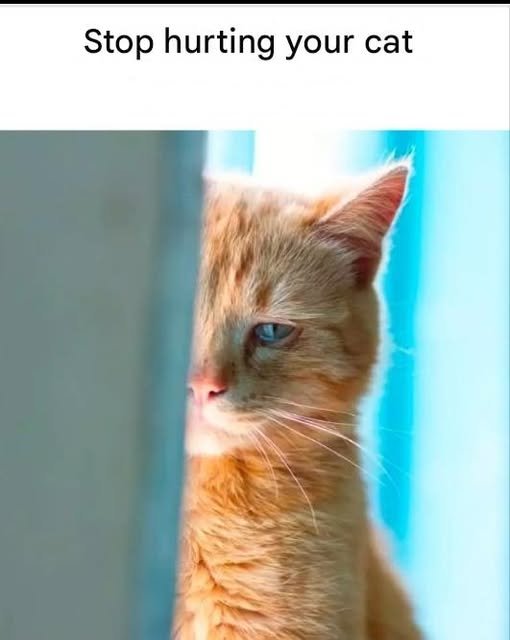
Here are 16 things that can emotionally harm your cat, along with detailed explanations.
1. Ignoring Your Cat
Cats are often thought of as independent, but they still need attention and interaction.
Effects:
- Loneliness
- Depression-like behavior
- Reduced trust in their owner
Signs:
- Hiding more often
- Sleeping excessively
- Loss of interest in playing
What to do:
Spend at least 15–30 minutes daily playing, petting, or talking to your cat.
2. Shouting or Yelling
Cats do not understand yelling as punishment. Instead, loud voices make them feel threatened.
Effects:
- Anxiety
- Fear of humans
- Hiding behavior
Better approach:
Use calm, consistent commands and redirect unwanted behavior instead of shouting.
3. Physical Punishment
Hitting, pushing, or spraying a cat with water can damage trust.
Effects:
- Fear and stress
- Aggression
- Avoidance of people
Better approach:
Reward good behavior with treats and praise rather than punishing mistakes.
4. Sudden Changes in Routine
Cats thrive on predictable routines.
Examples include:
- Changing feeding times
- Moving furniture frequently
- Bringing home a new pet without gradual introduction
Effects:
- Stress
- Loss of appetite
- Excessive grooming
5. Dirty Litter Box
Cats are naturally clean animals.
A dirty litter box can make them anxious and uncomfortable.
Possible consequences:
- Refusing to use the litter box
- Urinating elsewhere
- Increased stress
Recommendation:
Scoop the litter box daily and replace litter regularly.
6. Lack of Mental Stimulation
Indoor cats especially need opportunities to explore and play.
Without enrichment, they can become bored.
Signs:
- Overeating
- Destructive scratching
- Excessive sleeping
Solutions:
- Puzzle feeders
- Cat trees
- Interactive toys
- Window perches
7. Forcing Affection
Not every cat enjoys being picked up or cuddled.
Forcing interaction can make them uncomfortable.
Watch for signs like:
- Flattened ears
- Swishing tail
- Trying to escape
Respect your cat’s boundaries.
8. Loud Noises
Cats have very sensitive hearing.
Stressful sounds include:
- Fireworks
- Vacuum cleaners
- Loud music
- Construction noise
Effects:
- Panic
- Hiding
- Increased heart rate
Provide a quiet, safe space during noisy events.
9. Being Left Alone Too Long
Although cats are more independent than many dogs, they still benefit from companionship.
Long periods alone may cause:
- Boredom
- Anxiety
- Depression-like behaviors
Consider toys, window views, or another compatible pet if appropriate.
10. Sudden Environmental Changes
Moving to a new home or major renovations can be overwhelming.
Common reactions:
- Hiding
- Not eating
- Increased vocalization
Introduce changes gradually whenever possible.
11. Lack of Safe Hiding Places
Cats naturally seek secure places when stressed.
Without hiding spots, they may feel constantly exposed.
Good options include:
- Covered cat beds
- Cardboard boxes
- Elevated shelves
12. Inconsistent Feeding Schedule
Cats appreciate routine.
Feeding at random times can create uncertainty.
Possible effects:
- Stress
- Excessive meowing
- Food-related anxiety
Feed at roughly the same times each day.
13. Introducing New Pets Too Quickly
Cats are territorial.
Suddenly placing a new pet into their space may cause:
- Fear
- Aggression
- Hiding
- Appetite changes
Introduce pets gradually using scent swapping and supervised meetings.
14. Lack of Personal Space
Constantly following or disturbing a resting cat can increase stress.
Cats need uninterrupted time to:
- Sleep
- Groom
- Relax
Allow them to choose when to interact.
15. Neglecting Health Problems
Pain can significantly affect a cat’s emotional state.
Dental disease, arthritis, urinary problems, or other illnesses may lead to:
- Irritability
- Withdrawal
- Reduced activity
Regular veterinary checkups help identify and treat health issues early.
16. Stress from Other Animals
Bullying by another cat or a dog can create chronic stress.
Warning signs:
- Hiding
- Avoiding food
- Fighting
- Excessive grooming
Ensure each pet has its own food bowls, litter box, resting area, and escape routes.
Signs Your Cat May Be Emotionally Stressed
Watch for changes such as:
- Hiding more than usual
- Loss of appetite
- Excessive grooming
- Aggression
- Excessive meowing
- Sleeping much more or less than usual
- Avoiding family members
- Urinating outside the litter box
If these behaviors are sudden, severe, or persistent, it’s important to consult a veterinarian, as medical conditions can cause similar signs.
How to Keep Your Cat Emotionally Healthy
- Maintain a consistent daily routine.
- Provide fresh food and clean water.
- Keep the litter box clean.
- Play with your cat every day.
- Offer scratching posts, climbing areas, and hiding spots.
- Respect your cat’s boundaries and body language.
- Schedule regular veterinary checkups.
- Create a calm, safe environment, especially during stressful events.
A cat that feels safe, respected, mentally stimulated, and physically healthy is more likely to be relaxed, confident, and form a strong bond with its family.