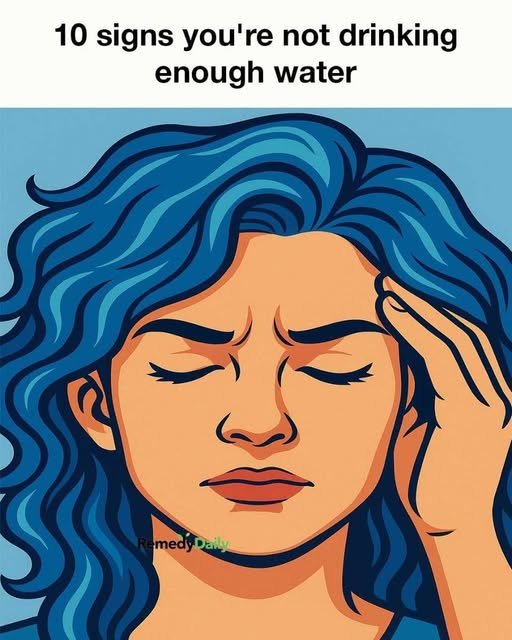
Water is essential for almost every function in the body: regulating temperature, transporting nutrients, lubricating joints, supporting digestion, and maintaining blood circulation. When you do not drink enough water, your body often gives warning signs. Here are 10 detailed signs that you may not be drinking enough water:
1. Dark Yellow or Strong-Smelling Urine
One of the easiest ways to notice dehydration is by checking your urine.
- Well-hydrated: Urine is usually pale yellow or straw-colored.
- Dehydrated: Urine becomes dark yellow, amber, or has a stronger smell because it is more concentrated.
- Your kidneys conserve water when your body lacks fluids, causing less water to be released through urine.
What to do: Increase your water intake gradually and monitor whether your urine becomes lighter.
2. Frequent Headaches
Dehydration can trigger headaches because your body needs enough fluid to maintain proper blood volume and circulation.
When you are low on water:
- Blood volume can decrease.
- The brain may temporarily shrink slightly away from the skull due to fluid loss, causing pain signals.
- Electrolyte levels (such as sodium and potassium) can become unbalanced.
A dehydration headache may feel like:
- Pressure around the forehead or temples
- Dull aching pain
- Worse pain when moving your head quickly
What to do: Drink water and rest, especially after heat exposure or exercise.
3. Dry Mouth, Lips, and Throat
Saliva production depends on adequate hydration. When your body lacks water:
- Your mouth may feel sticky or dry.
- Lips may crack or peel.
- Your throat may feel irritated.
- You may notice bad breath because reduced saliva allows bacteria to grow more easily.
What to do: Sip water regularly instead of waiting until your mouth feels extremely dry.
4. Feeling Tired or Low Energy
Fatigue is a common sign of dehydration.
Water helps:
- Deliver oxygen and nutrients through the blood.
- Maintain normal muscle and brain function.
- Support energy-producing processes in cells.
Even mild dehydration can cause:
- Sleepiness
- Reduced motivation
- Weakness
- Difficulty completing tasks
Sometimes people mistake dehydration-related tiredness for needing more caffeine or more sleep.
5. Dizziness or Lightheadedness
Not drinking enough water can affect blood circulation.
When fluid levels drop:
- Blood pressure may decrease.
- Less blood may reach the brain temporarily.
- You may feel dizzy, especially when standing up quickly.
Signs include:
- Feeling faint
- A spinning sensation
- Unsteadiness
What to do: Sit down if dizzy, drink fluids, and avoid sudden movements until you feel better.
6. Constipation and Digestive Problems
Water plays an important role in digestion.
Your intestines use water to:
- Soften stool
- Help waste move through the digestive system
When you are dehydrated:
- Stool can become hard and difficult to pass.
- Bowel movements may become less frequent.
- You may experience bloating or discomfort.
What to do: Drink enough water and include fiber-rich foods such as fruits, vegetables, and whole grains.
7. Dry Skin and Poor Skin Appearance
Your skin needs water to maintain its normal structure and function.
Dehydration may cause:
- Dry or flaky skin
- Tight skin feeling
- Less skin elasticity
- A dull appearance
A simple check is the skin pinch test:
- Gently pinch the skin on the back of your hand.
- If it takes longer than usual to return to normal, it may indicate dehydration (though this test is not always accurate, especially in older adults).
8. Muscle Cramps and Joint Discomfort
Water helps maintain the balance of minerals needed for proper muscle movement.
Low hydration can contribute to:
- Leg cramps
- Muscle tightness
- Reduced exercise performance
- Increased feelings of stiffness
Sweating heavily during exercise, hot weather, or illness can increase fluid and electrolyte losses.
What to do: Replace fluids after sweating and consider electrolyte-containing drinks when appropriate.
9. Difficulty Concentrating and Mood Changes
The brain is highly sensitive to changes in hydration.
Mild dehydration can affect:
- Attention
- Memory
- Reaction time
- Mental clarity
You may notice:
- Trouble focusing
- Irritability
- Feeling mentally “foggy”
- Lower mood
Drinking enough water helps support normal brain function.
10. Increased Hunger or Cravings
Sometimes thirst can feel like hunger because the brain signals for both sensations can overlap.
Signs you may actually need water:
- Sudden cravings, especially for salty foods
- Eating even though you recently had a meal
- Feeling hungry that improves after drinking water
Try drinking a glass of water and waiting a short time before reaching for a snack.
Other Possible Signs of Dehydration
You may also notice:
- Less frequent urination
- Rapid heartbeat
- Feeling overheated easily
- Reduced sweating during heat exposure
- Dark circles or tired-looking eyes
- Poor exercise performance
How Much Water Do You Need?
Water needs vary depending on:
- Body size
- Activity level
- Climate
- Diet
- Health conditions
A common general guide is:
- Men: about 3.7 liters of total water per day (from drinks and food)
- Women: about 2.7 liters of total water per day (from drinks and food)
These are average recommendations; some people need more or less.
Tips to Stay Hydrated
- Drink water throughout the day instead of drinking a large amount at once.
- Keep a water bottle nearby.
- Drink water before, during, and after exercise.
- Eat water-rich foods like watermelon, cucumber, oranges, and soups.
- Pay attention to thirst and urine color.
Seek medical help if dehydration is severe or includes confusion, fainting, inability to keep fluids down, very little/no urination, or signs of heat illness.