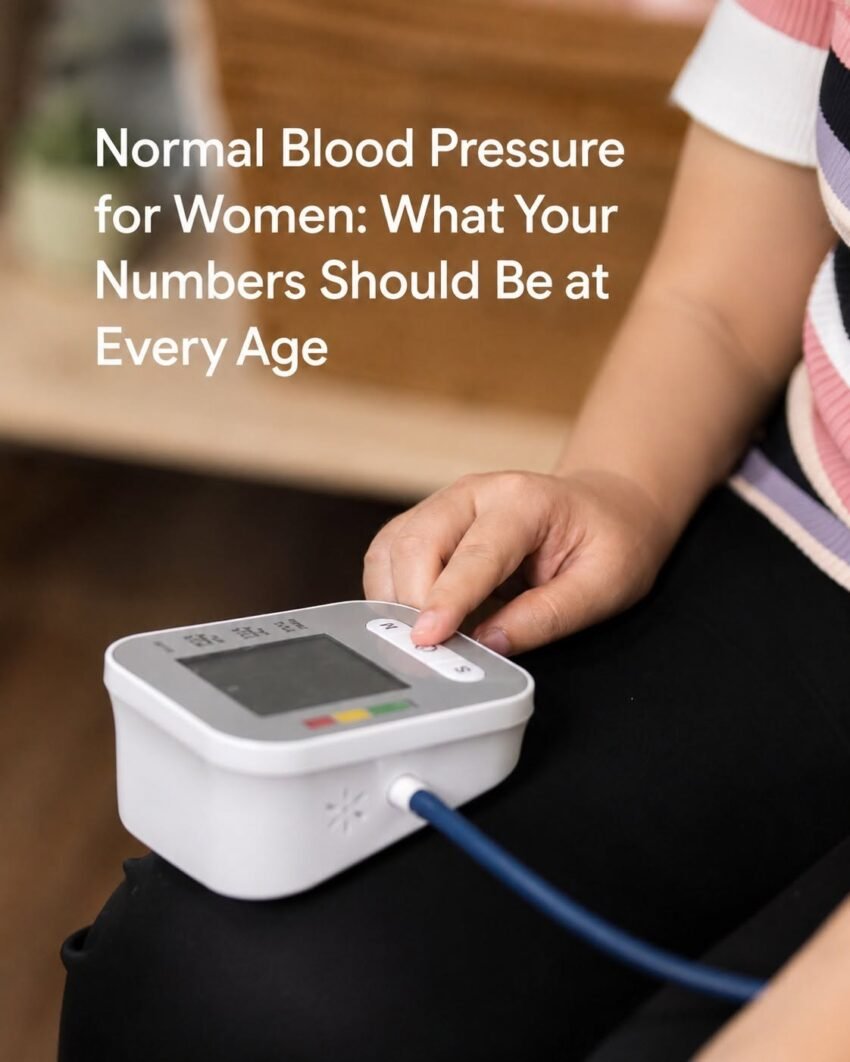
How age, hormonal changes, and lifestyle affect blood pressure in women
Blood pressure in women can change throughout life because of aging, reproductive hormones, pregnancy-related changes, and lifestyle factors. These influences may raise or lower blood pressure at different stages and can affect the risk of developing hypertension (high blood pressure).
1. Childhood and adolescence
During childhood, blood pressure is usually lower than in adults. As girls enter puberty, several changes occur:
- Hormonal changes: Rising levels of estrogen and other reproductive hormones influence blood vessel function and fluid balance.
- Body composition changes: Increased body fat, reduced physical activity, or weight gain during adolescence can contribute to higher blood pressure.
- Stress and lifestyle: Academic pressure, poor sleep, high-salt diets, and lack of exercise may gradually increase cardiovascular risk.
Teenage girls with obesity, insulin resistance, or a family history of hypertension may be more likely to develop high blood pressure later in life.
2. Reproductive years (approximately ages 20–45)
During the reproductive years, women often have some protection against high blood pressure compared with men of the same age, partly due to estrogen.
Role of estrogen
Estrogen helps maintain healthy blood vessels by:
- Supporting blood vessel relaxation
- Improving the function of the inner lining of arteries (endothelium)
- Influencing cholesterol levels
- Helping regulate blood flow
However, blood pressure can still be affected by:
Pregnancy
Pregnancy causes major changes in the cardiovascular system:
- Blood volume increases significantly.
- The heart pumps more blood.
- Blood vessels normally relax to accommodate these changes.
Some women develop:
Gestational hypertension
High blood pressure that begins during pregnancy.
Preeclampsia
A pregnancy complication involving high blood pressure, often with signs of organ stress (such as kidney or liver involvement).
Women who experience preeclampsia have a higher lifetime risk of developing hypertension, heart disease, and stroke.
Birth control and hormones
Some hormonal contraceptives, especially those containing estrogen, can increase blood pressure in some women by:
- Increasing fluid retention
- Affecting the renin–angiotensin system (a hormone system that regulates blood pressure)
- Increasing vascular resistance
Women with existing hypertension, smoking habits, migraines with aura, or certain cardiovascular risks may need careful contraceptive selection with a healthcare professional.
3. Perimenopause (usually 40s–50s)
Perimenopause is the transition period before menopause, when ovarian hormone levels become irregular.
During this stage:
Declining estrogen levels may cause:
- Less flexible blood vessels
- Increased arterial stiffness
- Changes in cholesterol levels
- Reduced protection against cardiovascular disease
Blood pressure often begins to rise during this period.
Other contributors include:
- Weight gain, especially around the abdomen
- Reduced physical activity
- Sleep disturbances
- Increased stress
- Changes in metabolism
Many women who previously had normal blood pressure develop hypertension during or after this transition.
4. Menopause and postmenopause
After menopause, estrogen levels remain much lower.
Effects of reduced estrogen:
- Blood vessels may become stiffer.
- The arteries may respond less effectively to signals that promote relaxation.
- Fat distribution may shift toward the abdomen.
- LDL (“bad”) cholesterol may increase.
These changes can contribute to:
- Higher systolic blood pressure (the top number)
- Greater risk of hypertension
- Increased risk of heart attack and stroke
Age itself also plays a role because arteries naturally lose elasticity over time.
5. Older age (60 years and above)
In older women, blood pressure is influenced by:
Natural aging:
- Stiffening of arteries
- Reduced kidney efficiency in controlling salt and fluid balance
- Changes in blood vessel structure
Medical conditions:
Conditions such as diabetes, kidney disease, thyroid disorders, and sleep apnea can increase blood pressure.
Medication effects:
Some medicines commonly used later in life may affect blood pressure, including certain pain medicines, steroids, and some decongestants.
Lifestyle factors affecting blood pressure throughout a woman’s life
Regardless of age, daily habits strongly influence blood pressure.
1. Diet
A diet high in:
- Salt (sodium)
- Processed foods
- Sugary drinks
- Saturated fats
can increase blood pressure risk.
A diet rich in:
- Fruits
- Vegetables
- Whole grains
- Beans
- Nuts
- Low-fat dairy
can help maintain healthier blood pressure.
2. Physical activity
Regular exercise helps by:
- Strengthening the heart
- Improving blood vessel flexibility
- Helping maintain healthy weight
- Reducing stress hormones
Adults generally benefit from regular moderate-intensity activity, such as brisk walking, cycling, or swimming.
3. Weight changes
Weight gain can increase blood pressure because:
- The heart must pump more blood.
- Extra body fat affects hormones involved in blood pressure regulation.
- Abdominal fat is linked with inflammation and insulin resistance.
4. Stress and mental health
Long-term stress may contribute to higher blood pressure through:
- Increased stress hormones (such as cortisol and adrenaline)
- Poor sleep
- Emotional eating
- Reduced physical activity
Stress management techniques, social support, and adequate sleep can support cardiovascular health.
5. Sleep
Poor sleep quality or insufficient sleep is associated with increased risk of hypertension.
Conditions such as obstructive sleep apnea can also raise blood pressure, especially after menopause.
How blood pressure patterns commonly change across a woman’s life
| Life stage | Main influences on blood pressure |
|---|---|
| Childhood | Growth, genetics, weight, activity level |
| Adolescence | Puberty hormones, body changes, lifestyle |
| Reproductive years | Estrogen effects, pregnancy, contraception |
| Perimenopause | Fluctuating hormones, weight changes, stress |
| Menopause | Estrogen decline, artery stiffness, metabolism changes |
| Older age | Aging arteries, kidney changes, chronic conditions |
Ways women can protect healthy blood pressure
- Check blood pressure regularly, especially after age 40 or during pregnancy.
- Maintain a healthy weight.
- Limit excess salt intake.
- Stay physically active.
- Avoid smoking and limit alcohol.
- Manage stress.
- Prioritize good sleep.
- Discuss pregnancy-related hypertension history with healthcare providers.
- Follow medical advice if diagnosed with high blood pressure.
Understanding how hormones, aging, and lifestyle interact helps women take preventive steps at each stage of life and reduce long-term cardiovascular risks.