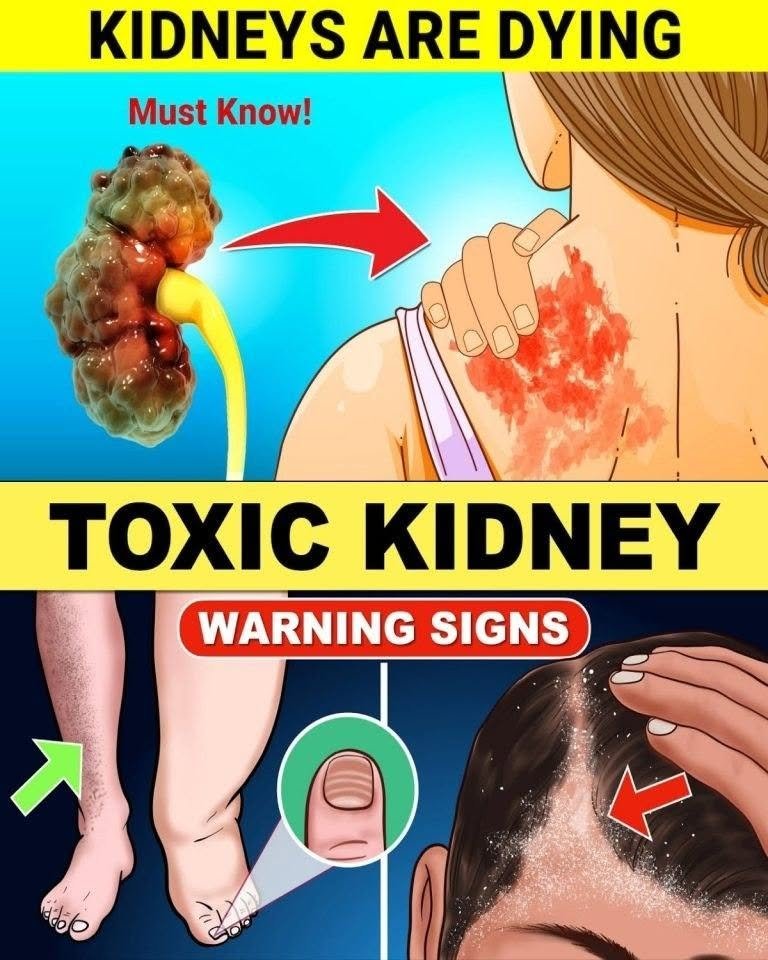
Kidney failure (also called end-stage kidney disease) usually develops slowly, and many people do not notice symptoms until kidney function is significantly reduced. The kidneys filter waste and extra fluid from the blood, control blood pressure, balance minerals, and help make red blood cells. Detecting kidney damage early can allow treatment that may slow progression and, in some cases, delay or prevent the need for dialysis.
9 Warning Signs Your Kidneys May Be Failing
1. Changes in Urination
Kidney problems often affect urine production.
Possible warning signs:
- Urinating much more often, especially at night
- Producing much less urine than usual
- Foamy or bubbly urine (may indicate protein leakage)
- Blood in urine (pink, red, or tea-colored urine)
- Difficulty starting urination or feeling unable to empty the bladder
Why it happens: Damaged kidney filters may allow protein or blood cells to pass into urine, or the kidneys may lose their ability to concentrate urine.
2. Swelling in Feet, Ankles, Hands, or Face
Swelling (edema) is common when kidneys cannot remove enough salt and water.
You may notice:
- Puffy eyes, especially in the morning
- Tight shoes or rings
- Swollen legs or ankles
Why it happens: Extra fluid builds up in tissues because the kidneys are not clearing it effectively.
3. Persistent Tiredness and Weakness
Advanced kidney disease can cause:
- Extreme fatigue
- Low energy
- Difficulty concentrating
- Feeling unusually weak
Why it happens: Healthy kidneys produce a hormone called erythropoietin, which helps make red blood cells. Kidney disease can reduce this hormone, causing anemia and reduced oxygen delivery to the body.
4. Nausea, Vomiting, or Loss of Appetite
As kidney function declines, waste products can accumulate in the blood.
Symptoms may include:
- Nausea
- Vomiting
- Metallic taste in the mouth
- Bad breath with an ammonia-like smell
- Reduced appetite
- Weight loss
This buildup of toxins is called uremia and is a sign of severe kidney impairment.
5. Shortness of Breath
Breathing problems can occur because of:
- Fluid buildup in the lungs
- Anemia caused by kidney disease
- Reduced oxygen delivery
Shortness of breath, especially with swelling or chest discomfort, needs medical attention.
6. High Blood Pressure That Is Difficult to Control
Kidneys and blood pressure have a close relationship.
Damaged kidneys can:
- Increase blood pressure
- Make existing hypertension harder to treat
At the same time, uncontrolled high blood pressure can further damage kidney blood vessels.
7. Itching and Dry Skin
Severe kidney disease may cause:
- Persistent itching
- Dry or irritated skin
- Changes in skin color
Why it happens: Waste buildup and mineral imbalance (such as high phosphorus levels) can irritate the skin.
8. Muscle Cramps and Bone Problems
Kidneys help regulate minerals such as calcium and phosphorus.
Kidney failure can cause:
- Muscle cramps
- Bone pain
- Weakness
- Restless legs
9. Confusion, Sleep Problems, or Difficulty Thinking
When waste products accumulate, they can affect brain function.
Possible symptoms:
- Trouble concentrating
- Confusion
- Sleep disturbances
- Drowsiness
Severe confusion may indicate advanced kidney failure and requires urgent medical evaluation.
Tests That Detect Kidney Disease Early and Help Avoid Dialysis
Dialysis is usually needed when kidney function becomes severely reduced. Early testing can identify problems before that stage.
1. Serum Creatinine Blood Test
What it measures:
Creatinine is a waste product produced by muscles. Healthy kidneys remove it from blood.
High creatinine may suggest:
- Reduced kidney filtration
- Kidney injury
- Dehydration (sometimes)
Creatinine alone is not enough; doctors use it to calculate eGFR.
2. eGFR (Estimated Glomerular Filtration Rate)
This is one of the most important kidney function measurements.
It estimates how well your kidneys filter blood.
General interpretation:
| eGFR | Meaning |
|---|---|
| 90 or higher | Usually normal (if no other kidney damage) |
| 60–89 | Mild reduction; may require monitoring |
| 30–59 | Moderate kidney disease |
| 15–29 | Severe kidney disease |
| Below 15 | Kidney failure range; dialysis may be considered depending on symptoms |
A single low result does not always mean permanent kidney failure; doctors look at trends over time.
3. Urine Albumin-to-Creatinine Ratio (UACR)
This is a very important early kidney damage test.
It detects albumin (protein) leaking into urine.
Why it matters:
- Kidney damage can begin years before creatinine rises.
- Protein leakage is often one of the earliest signs.
4. Complete Urine Test (Urinalysis)
Checks for:
- Protein
- Blood
- Infection
- Abnormal cells
- Crystals
It helps identify kidney inflammation, stones, infections, and other problems.
5. Kidney Ultrasound
A painless imaging test that can show:
- Kidney size
- Blockages
- Kidney stones
- Cysts
- Structural abnormalities
Small, shrunken kidneys often suggest long-term kidney disease.
6. Blood Pressure Monitoring
High blood pressure is both:
- A cause of kidney damage
- A result of kidney disease
Regular monitoring helps protect kidney function.
7. Electrolyte and Mineral Blood Tests
Doctors may check:
- Potassium
- Sodium
- Calcium
- Phosphorus
- Bicarbonate
Kidney disease can disturb these balances.
Who Should Get Kidney Tests Regularly?
People at higher risk include those with:
- Diabetes
- High blood pressure
- Heart disease
- Family history of kidney disease
- Age over 60
- Obesity
- History of kidney stones
- Long-term use of certain pain medicines (especially NSAIDs)
- Autoimmune diseases
Ways to Slow Kidney Damage and Delay Dialysis
1. Control Blood Pressure
Common targets are individualized, but many kidney patients are advised to keep blood pressure well controlled.
Lifestyle steps:
- Reduce salt intake
- Exercise regularly
- Maintain healthy weight
- Take prescribed medicines consistently
2. Control Diabetes
High blood sugar damages kidney filters.
Helpful measures:
- Monitor glucose
- Follow diabetes treatment
- Maintain healthy diet
Some medicines, such as certain SGLT2 inhibitors, can protect kidney function in appropriate patients (a doctor must decide suitability).
3. Reduce Salt Intake
Too much salt can worsen:
- Blood pressure
- Fluid retention
- Kidney workload
4. Avoid Excessive Painkillers
Frequent use of medicines such as:
- Ibuprofen
- Naproxen
- Other NSAIDs
can damage kidneys, especially in people with existing kidney problems.
5. Stay Hydrated (But Avoid Overhydration)
Adequate fluid intake supports kidney function, but people with advanced kidney disease may need fluid limits.
6. Eat a Kidney-Friendly Diet (When Needed)
Depending on kidney function, doctors may recommend controlling:
- Salt
- Protein amount
- Potassium
- Phosphorus
Diet plans should be personalized because restrictions vary by kidney stage.
When to Seek Medical Help Quickly
Seek urgent medical care if you have:
- Very little or no urine
- Severe swelling
- Chest pain or severe shortness of breath
- Confusion
- Persistent vomiting
- Very high potassium levels (if known)
- Sudden worsening of kidney function
Key Point
The best chance of avoiding or delaying dialysis is early detection. The most useful screening combination is usually:
- Blood creatinine + eGFR
- Urine albumin-to-creatinine ratio (UACR)
- Blood pressure measurement
If kidney disease is found early, treatment can often slow its progression significantly. A nephrologist (kidney specialist) can help determine the stage and the best plan.