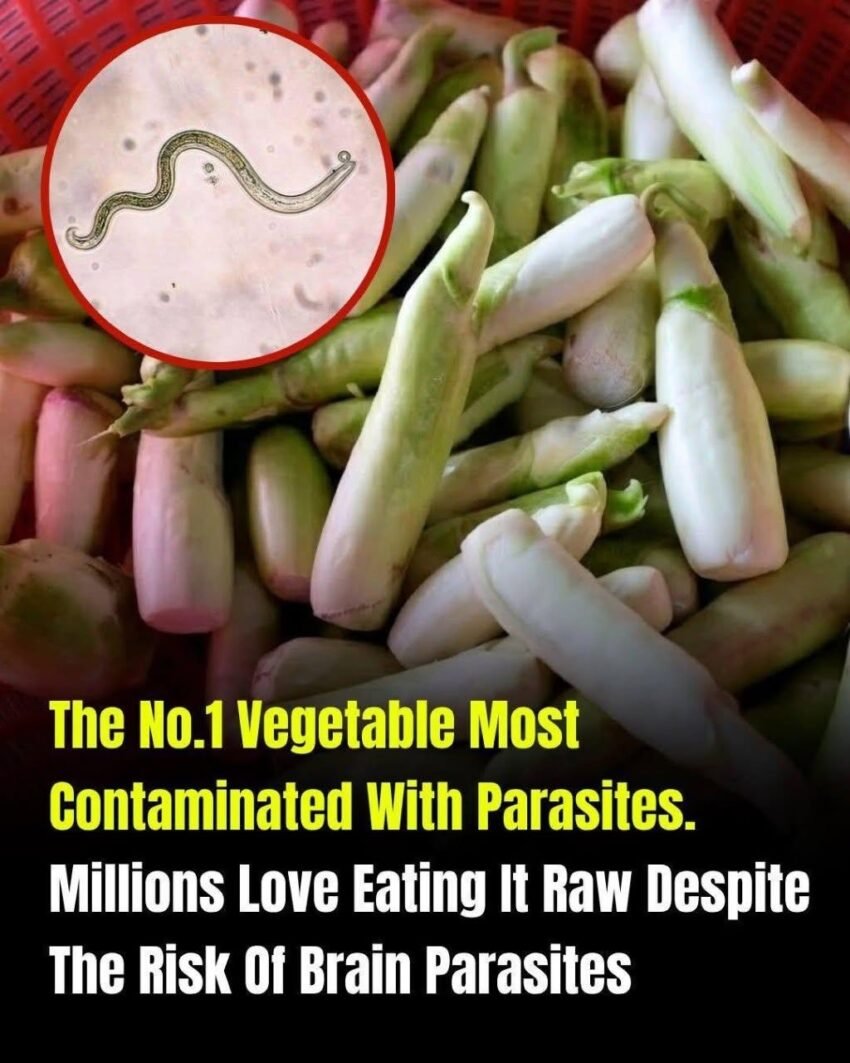
Vegetables Most Commonly Associated with Parasites
1. Lettuce (Highest Risk)
Lettuce is frequently highlighted because:
- It is usually eaten raw.
- Its leaves have many folds where parasite eggs and cysts can hide.
- It grows close to the ground.
- Washing may not remove every contaminant if done poorly.
Possible parasites found on contaminated lettuce include:
- Giardia duodenalis
- Cryptosporidium parvum
- Toxoplasma gondii
- Ascaris lumbricoides
2. Spinach
Spinach has rough, crinkled leaves that can trap:
- Soil
- Animal feces
- Parasite eggs
- Microscopic cysts
Because spinach is often eaten in salads or lightly cooked, parasites may survive if washing is inadequate.
3. Cilantro (Coriander Leaves)
Cilantro is another high-risk leafy herb because:
- Thin leaves are difficult to clean.
- It is commonly eaten raw.
- It is frequently irrigated in open fields.
4. Parsley
Like cilantro, parsley has:
- Many tiny leaflets.
- Complex surfaces that trap contaminants.
- Frequent use as a raw garnish.
5. Green Onions (Scallions)
Parasites can remain between the tightly packed layers near the roots if not cleaned thoroughly.
6. Cabbage
Cabbage leaves overlap tightly, making it possible for dirt, insects, and parasite eggs to remain hidden inside.
7. Watercress
Watercress has historically been linked with infection by Fasciola hepatica because it often grows in freshwater environments where livestock may contaminate the water.
Why Vegetables Become Contaminated
Parasites usually reach vegetables through environmental contamination rather than originating in the vegetables themselves.
Common sources include:
- Contaminated irrigation water
- Fresh animal manure
- Human sewage
- Floodwater
- Dirty harvesting equipment
- Poor hygiene by food handlers
- Wild animals entering fields
Common Parasites Found on Vegetables
Giardia
Source
- Contaminated water
- Human or animal feces
Symptoms
- Diarrhea
- Gas
- Stomach cramps
- Weight loss
Cryptosporidium
Source
- Water contamination
Symptoms
- Severe watery diarrhea
- Nausea
- Fever
- Dehydration
Toxoplasma gondii
Source
- Cat feces contaminating soil or water
Symptoms
- Often no symptoms in healthy people
- Can be serious during pregnancy or in people with weakened immune systems
Ascaris (Roundworm)
Source
- Eggs in contaminated soil
Symptoms
- Abdominal pain
- Malnutrition
- Intestinal blockage in severe cases
Cyclospora
Source
- Contaminated fresh produce
Symptoms
- Prolonged diarrhea
- Fatigue
- Loss of appetite
- Weight loss
Who Is Most at Risk?
People at higher risk of severe illness include:
- Pregnant women
- Young children
- Older adults
- People with weakened immune systems
- Organ transplant recipients
Can Washing Remove Parasites?
Washing helps reduce contamination but may not eliminate every parasite.
Plain running water
- Removes dirt and many organisms.
- Better than soaking alone.
Vegetable brush
Useful for firm vegetables such as:
- Carrots
- Cucumbers
- Potatoes
Leaf-by-leaf washing
Recommended for:
- Lettuce
- Cabbage
- Spinach
Does Vinegar Kill Parasites?
Vinegar can reduce some microorganisms and help loosen dirt, but it does not reliably kill parasite eggs or all parasite cysts. It should not be relied on as a disinfectant.
Does Cooking Kill Parasites?
In general, yes. Thorough cooking destroys most parasites found on vegetables. Raw salads carry a higher risk than cooked vegetables, particularly where sanitation standards are poor.
How to Reduce the Risk
- Wash vegetables thoroughly under running water.
- Separate and rinse leafy greens leaf by leaf.
- Peel vegetables when appropriate.
- Refrigerate produce promptly.
- Avoid produce washed with unsafe water.
- Wash hands before handling food.
- Prevent cross-contamination by keeping raw produce separate from raw meat.
Which Vegetable Is the “Most Contaminated”?
No single vegetable is always the most contaminated, as contamination depends on farming practices, sanitation, irrigation water, and handling. However, studies and food safety experts consistently identify raw leafy greens—particularly lettuce, spinach, cilantro, and parsley—as among the produce items most likely to be associated with parasite contamination because they are often eaten uncooked and have surfaces that can trap microscopic organisms.
The overall risk to consumers in regions with good agricultural and food safety practices is relatively low, and washing produce carefully plus cooking when appropriate can substantially reduce the likelihood of infection.