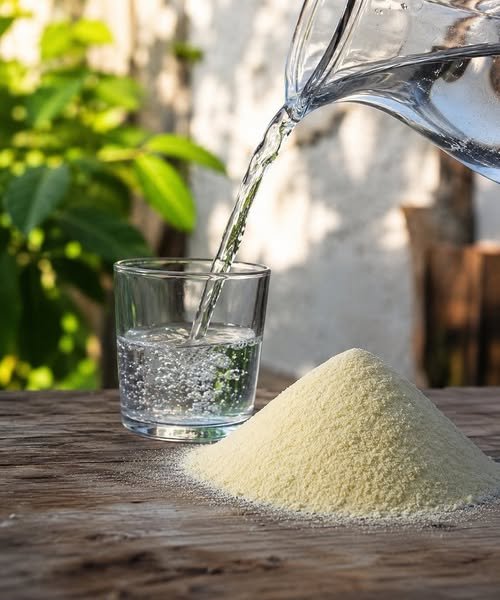
If you’re referring to the common claim that “the everyday white ingredient that can strain your kidneys”, it is almost always talking about table salt (sodium chloride). Salt is essential for life, but consuming too much over a long period can contribute to kidney damage, especially in people with high blood pressure, diabetes, or existing kidney disease.
Why Salt Can Strain Your Kidneys
Your kidneys filter waste, remove excess water, and help maintain the right balance of minerals in your body. Sodium plays a key role in regulating fluids and blood pressure.
When you eat too much salt:
- Your body retains more water.
- Blood volume increases.
- Blood pressure rises.
- The kidneys have to work harder to filter the extra fluid and sodium.
- Over time, this extra workload can damage the kidneys.
How Much Salt Is Too Much?
Health organizations generally recommend:
- Adults: Less than 2,300 mg of sodium per day (about 1 teaspoon of table salt).
- Many people, especially those with high blood pressure or kidney disease, may benefit from limiting sodium to 1,500–2,000 mg per day, depending on their healthcare provider’s advice.
- Children need even less sodium, with recommended limits varying by age.
Many people consume 3,400 mg or more of sodium daily, largely from processed and restaurant foods.
Signs You May Be Eating Too Much Salt
Excess sodium intake may lead to:
- Frequent thirst
- Swelling in the feet, ankles, or hands
- Puffiness around the eyes
- High blood pressure
- Frequent urination
- Bloating
- Headaches (in some people)
These symptoms are not specific to kidney disease, but they can indicate excessive sodium intake or fluid retention.
How Salt Affects Kidney Health
1. Raises Blood Pressure
High blood pressure is one of the leading causes of kidney disease. Excess sodium contributes to elevated blood pressure, which can damage the tiny blood vessels in the kidneys.
2. Causes Fluid Retention
Too much sodium causes the body to hold onto water, increasing the amount of fluid the kidneys must regulate.
3. Increases Protein in Urine
High sodium intake has been associated with increased protein leakage into the urine (proteinuria), which can be a sign of kidney damage.
4. May Increase Kidney Stone Risk
High sodium intake can increase the amount of calcium excreted in urine, which may raise the risk of certain types of kidney stones.
Foods That Are Surprisingly High in Sodium
Many people think only the salt shaker is the problem, but most dietary sodium comes from processed foods.
Common high-sodium foods include:
- Packaged soups
- Frozen meals
- Chips and crackers
- Pizza
- Fast food
- Processed meats (bacon, ham, sausage, deli meats)
- Canned vegetables and beans (unless labeled low sodium)
- Bread and rolls
- Cheese
- Instant noodles
- Pickles
- Soy sauce
- Salad dressings
- Ketchup and other condiments
Simple Ways to Protect Your Kidneys
1. Reduce Added Salt
Taste food before salting it, and use smaller amounts if you do add salt.
2. Cook More Meals at Home
Preparing food yourself gives you more control over sodium levels.
3. Read Nutrition Labels
Choose products labeled:
- Low sodium
- No added salt
- Reduced sodium
Aim for foods with 140 mg of sodium or less per serving when possible.
4. Flavor Foods Without Salt
Try:
- Garlic
- Onion
- Lemon juice
- Lime juice
- Black pepper
- Herbs (basil, oregano, thyme, rosemary)
- Paprika
- Ginger
5. Stay Hydrated
Adequate fluid intake helps the kidneys perform their filtering functions. However, people with advanced kidney disease or certain heart conditions may need individualized fluid guidance from their healthcare provider.
6. Control Blood Pressure
Maintaining healthy blood pressure is one of the best ways to protect kidney function.
7. Manage Blood Sugar
If you have diabetes, keeping blood sugar in your target range can reduce the risk of diabetic kidney disease.
8. Exercise Regularly
Aim for at least 150 minutes of moderate physical activity per week, unless advised otherwise by your healthcare provider.
9. Maintain a Healthy Weight
Excess weight can increase the risk of high blood pressure, diabetes, and kidney disease.
10. Avoid Smoking
Smoking reduces blood flow to the kidneys and can accelerate kidney damage.
Who Should Be Especially Careful?
Lowering sodium intake is particularly important for people with:
- High blood pressure
- Diabetes
- Chronic kidney disease
- Heart disease
- A family history of kidney disease
- A history of kidney stones
Warning Signs of Kidney Disease
Early kidney disease often causes few or no symptoms. As it progresses, symptoms may include:
- Swelling in the legs, ankles, or feet
- Persistent fatigue
- Changes in urination (frequency, amount, or appearance)
- Blood in the urine
- Foamy urine
- Persistent itching
- Loss of appetite
- Nausea
- Difficulty concentrating
If you notice these symptoms or have risk factors for kidney disease, it’s important to consult a healthcare professional. Kidney function can often be assessed with simple blood and urine tests.
Other “White Ingredients” Sometimes Mentioned
Some articles also refer to:
- Sugar: Excess intake can contribute to obesity and type 2 diabetes, which are major risk factors for kidney disease.
- Refined flour: Diets high in refined carbohydrates may increase the risk of obesity and diabetes, indirectly affecting kidney health.
However, table salt is the everyday white ingredient most directly linked to kidney strain, primarily through its effects on blood pressure and fluid balance.
Key Takeaway
Salt is necessary in small amounts, but regularly consuming too much can increase blood pressure, make the kidneys work harder, and raise the risk of chronic kidney disease and kidney stones. Choosing fresh foods more often, limiting processed foods, checking nutrition labels, and using herbs and spices instead of extra salt are practical ways to support long-term kidney health. If you already have kidney disease, high blood pressure, or another chronic condition, discuss your sodium target with your healthcare provider, as recommendations may need to be individualized.