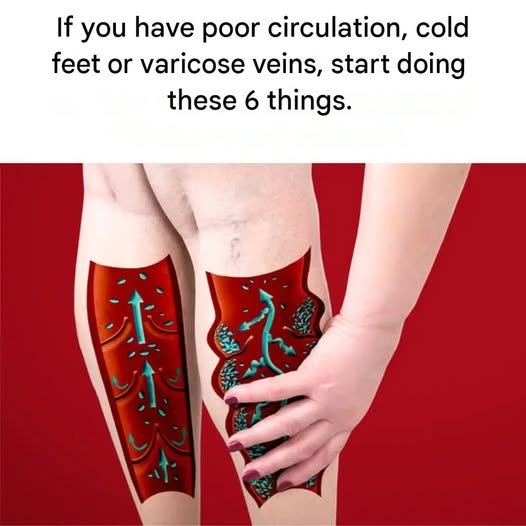
Cold feet are often harmless—especially in cold weather—but persistent or unusually cold feet can sometimes signal reduced blood flow, nerve problems, anemia, thyroid disease, diabetes, or conditions affecting the blood vessels.
Ways to improve circulation and keep your feet warm
1. Move your legs and feet regularly
Regular physical activity is one of the most useful ways to support circulation.
- Walk for 20–30 minutes most days, gradually increasing as tolerated.
- If you sit for long periods, get up and walk around every 30–60 minutes.
- Try ankle circles, calf raises, and gently flexing your feet while sitting.
- If walking causes calf or foot pain that reliably improves after resting, don’t simply push through it—this can be a symptom of peripheral artery disease (PAD) and should be evaluated.
For people with PAD, structured walking programs can improve walking ability and circulation in the legs.
2. Keep your feet comfortably warm
Wear warm, breathable socks and properly fitting shoes. Avoid footwear or socks that are so tight that they leave marks or restrict your toes.
If your feet are cold, warm them gradually rather than using very hot water, heating pads, or hot-water bottles directly against the skin—particularly if you have reduced sensation from diabetes or nerve problems.
3. Don’t smoke
Smoking is particularly damaging to blood vessels. Nicotine causes blood vessels to tighten and can reduce blood flow to the legs and feet. Smoking is also a major risk factor for PAD.
If you smoke, quitting is one of the most important things you can do for your circulation.
4. Eat for cardiovascular health
A heart-healthy eating pattern can help protect your arteries.
Emphasize:
- Vegetables and fruits
- Beans and lentils
- Whole grains
- Nuts and seeds
- Fish and other lean protein
- Healthy unsaturated fats such as olive oil
Limit foods high in saturated fat, trans fat, excessive sodium, and added sugars. Managing cholesterol, blood pressure, blood sugar, and weight is important for protecting blood vessels.
5. Stay adequately hydrated
Dehydration isn’t usually the main cause of chronically cold feet, but maintaining normal hydration supports overall cardiovascular function. Drink regularly throughout the day, with your needs adjusted for heat, exercise, and medical conditions.
6. Avoid sitting or standing in one position for too long
Long periods of inactivity can make your legs feel cold, heavy, or uncomfortable.
Try this simple routine several times during the day:
10 ankle circles → 10 toe flexes → 10 calf raises → 2–5 minutes of walking.
7. Manage conditions that affect circulation
Diabetes, high blood pressure, high cholesterol, obesity, and smoking can increase the risk of peripheral artery disease. Managing these conditions can help protect circulation.
If you have diabetes, pay particular attention to your feet because poor circulation and nerve damage can make wounds harder to notice and heal.
8. Consider whether the problem is actually circulation
An important clue is whether your feet are physically cold to the touch or merely feel cold.
If they feel cold but are actually warm when you touch them, a nerve-related problem such as peripheral neuropathy may sometimes be responsible. Persistent cold sensations can have several possible causes, so an evaluation is worthwhile.
9. Pay attention to color and symptoms
Reduced arterial blood flow can cause:
- One foot being noticeably colder than the other
- Pale, blue, or unusually discolored skin
- Numbness or weakness
- Pain or cramping when walking that improves with rest
- Slow-growing toenails or leg hair
- Sores on the feet that heal slowly or don’t heal
These symptoms deserve medical evaluation rather than being treated only with warming measures.
When should you see a doctor?
Make an appointment if your feet remain unusually cold despite being in a warm environment, particularly if the problem is persistent or accompanied by numbness, pain, color changes, or wounds. A healthcare professional can examine your pulses and circulation and may perform tests to determine whether a blood-vessel or nerve problem is present.
🚨 Get urgent medical help
A suddenly cold, pale/blue foot accompanied by severe pain, numbness, or inability to move the foot can indicate a sudden loss of blood flow and is a medical emergency.
Bottom line: Regular walking and movement, not smoking, a heart-healthy diet, good management of blood pressure/cholesterol/blood sugar, and keeping your feet comfortably warm are the most useful general measures. But persistent cold feet shouldn’t automatically be assumed to mean “poor circulation”—there are several possible causes, and persistent symptoms should be checked.