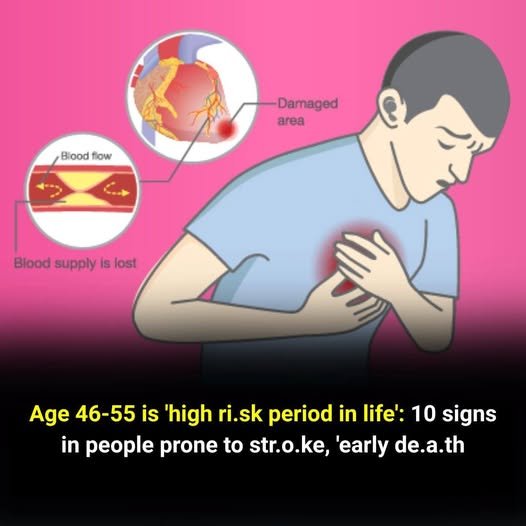
10 important signs/risk indicators to watch
- Sudden facial drooping or numbness
One side of the face may suddenly droop or feel numb, especially when smiling. This is a classic stroke warning sign and requires emergency attention.
- Sudden weakness or numbness in an arm or leg
Particularly concerning is weakness or numbness affecting one side of the body. A simple test is to raise both arms and see whether one drifts downward.
- Sudden speech or understanding problems
Slurred speech, inability to speak normally, difficulty finding words, or suddenly not understanding what others are saying can indicate a stroke.
- Sudden vision changes
Blurred or double vision, or sudden loss of vision in one or both eyes, can be a stroke warning sign.
- Sudden loss of balance or coordination
New dizziness, difficulty walking, loss of coordination, or sudden inability to maintain balance can occur during a stroke, particularly when accompanied by other neurological symptoms.
- A sudden, unusually severe headache
A severe headache with no known cause—especially if it appears abruptly—can be a warning sign of stroke and needs urgent evaluation.
- High blood pressure
This is particularly important because it often produces no noticeable symptoms. Persistently elevated blood pressure damages artery walls and is the leading controllable risk factor for stroke.
- Irregular heartbeat or atrial fibrillation (AFib)
AFib can allow blood to pool in the heart and form clots that travel to the brain. The American Stroke Association says AFib increases stroke risk about fivefold. Sometimes a stroke or TIA is the first indication that someone has AFib.
- Diabetes, high cholesterol, or uncontrolled blood sugar
Diabetes can damage blood vessels, while high cholesterol contributes to plaque buildup and blocked arteries. These conditions can substantially increase cardiovascular and stroke risk even when a person feels well.
- Smoking, physical inactivity, obesity, or an unhealthy diet
These aren’t symptoms of an impending stroke, but they are modifiable factors associated with increased stroke and cardiovascular risk. Tobacco damages blood vessels, while inactivity and obesity contribute to high blood pressure, diabetes and abnormal cholesterol.
One particularly important warning: TIA
A transient ischemic attack (TIA) can cause the same symptoms as a stroke—facial weakness, arm weakness, speech difficulty, vision problems, or balance problems—but the symptoms may disappear after minutes or hours.
Do not assume you’re safe because the symptoms went away. A TIA can be a warning of a subsequent major stroke and requires urgent medical evaluation.
Remember B.E. F.A.S.T.
- B — Balance: sudden loss of balance or coordination
- E — Eyes: sudden vision changes
- F — Face: facial drooping
- A — Arm: sudden weakness or numbness
- S — Speech: difficulty speaking or understanding
- T — Time: call 911 immediately
If these symptoms are happening right now, don’t wait for them to improve and don’t drive yourself to the hospital. Call 911 and note when the symptoms started. Rapid treatment can reduce brain damage, disability and the risk of death.
Important: These 10 indicators do not mean that someone will die early or definitely have a stroke. They are risk factors and warning signs that warrant appropriate medical attention. Stroke risk can often be substantially reduced by controlling blood pressure, treating AFib and diabetes, managing cholesterol, stopping tobacco use, staying active, maintaining a healthy weight, and following prescribed treatment.
If you want, I can also give you a detailed “10 signs of stroke risk” checklist with normal vs. dangerous values for blood pressure, cholesterol, blood sugar, heart rate, and waist/BMI, including when to see a doctor