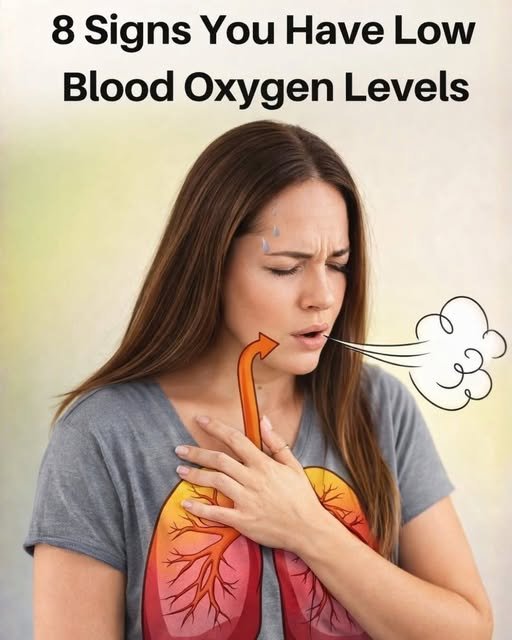
Low oxygen in the blood is called hypoxemia. It means the blood is carrying less oxygen than the body needs. Oxygen is essential for the brain, heart, muscles, and other organs, so significant or prolonged hypoxemia can become dangerous.
6 warning signs you may not have enough oxygen in your blood
1. Shortness of breath or feeling unable to get enough air
This is one of the most common warning signs. You may feel that you can’t take a deep enough breath, are “air hungry,” or need to breathe harder or faster than usual.
It may happen:
- During physical activity that normally wouldn’t make you breathless
- While resting
- When lying down
- During an illness affecting the lungs
Sudden or severe breathing difficulty is particularly concerning and requires prompt medical attention.
2. Rapid or unusually difficult breathing
When oxygen levels fall, the body may compensate by trying to bring more oxygen into the lungs. You may notice faster breathing, shallow breathing, or increased effort when breathing.
Someone experiencing significant oxygen deprivation may appear to be working hard to breathe, using the muscles around the chest and neck more than usual.
Rapid breathing can have many causes, however, so it doesn’t prove that oxygen is low by itself.
3. Blue, gray, or dusky lips, face, or fingernails
A bluish or grayish coloration, called cyanosis, can occur when there isn’t enough oxygen-rich blood circulating.
Pay particular attention to:
- Lips or tongue
- Fingernails
- Face
- Skin around the mouth
Cyanosis can indicate significant oxygenation problems and should not be ignored, especially when accompanied by breathing difficulty or confusion
4. Fast, pounding, or irregular heartbeat
A low oxygen level can cause the cardiovascular system to respond by increasing the heart rate. You might feel your heart racing, pounding, fluttering, or beating unusually hard.
This can occur because the body is attempting to deliver more oxygen to tissues. However, a fast heartbeat has many other possible causes, including anxiety, dehydration, fever, medications, and heart problems.
5. Confusion, unusual sleepiness, or difficulty thinking clearly
The brain is particularly dependent on a continuous supply of oxygen. When oxygenation becomes significantly impaired, neurological symptoms can develop.
Possible signs include:
- Confusion
- Difficulty concentrating
- Unusual restlessness
- Becoming extremely sleepy
- Difficulty staying awake
- Changes in normal behavior
- In severe cases, loss of consciousness
Confusion or difficulty waking someone in combination with breathing problems should be treated as a medical emergency.
6. Chest pain, pressure, or tightness
Chest discomfort can occur alongside low oxygen, particularly when a heart or lung problem is responsible for the oxygen problem. MedlinePlus specifically lists chest pain or tightness among symptoms that may accompany low oxygen.
Chest pain should not automatically be assumed to be caused by low oxygen. It can also indicate potentially serious conditions such as a heart attack, pulmonary embolism, or other cardiovascular or respiratory emergencies.
Sudden chest pain with shortness of breath, fainting, sweating, severe weakness, or a rapid/irregular heartbeat warrants emergency evaluation.
How do you know if your oxygen is actually low?
A pulse oximeter is a small device placed on your finger that estimates blood oxygen saturation (SpO₂). For many healthy people, a typical oxygen saturation is around 95–100%, although an individual’s normal range can differ, particularly with certain lung conditions or at high altitude.
MedlinePlus advises contacting a healthcare provider when an at-home reading is 92% or lower and seeking immediate medical attention at 88% or lower.
Importantly, pulse-oximeter readings aren’t perfect. Poor circulation, cold fingers, tobacco use, nail polish/artificial nails, and darker skin pigmentation can affect accuracy. A pulse oximeter can also differ from the actual blood oxygen level by several percentage points.
When is it an emergency?
Call emergency services immediately if someone has severe difficulty breathing, blue/gray lips or face, severe chest pain, sudden confusion, fainting, loss of consciousness, or rapidly worsening symptoms.
Low oxygen is a sign of an underlying problem rather than a disease itself. Causes can include pneumonia, asthma or COPD exacerbation, heart problems, sleep apnea, impaired breathing, problems with blood flow, high altitude, and other conditions. Treatment therefore depends on finding and treating the underlying cause.
If you tell me your oxygen (SpO₂) reading, symptoms, age, and whether you have a lung/heart condition, I can explain what the reading may mean and how urgently it should be evaluated.