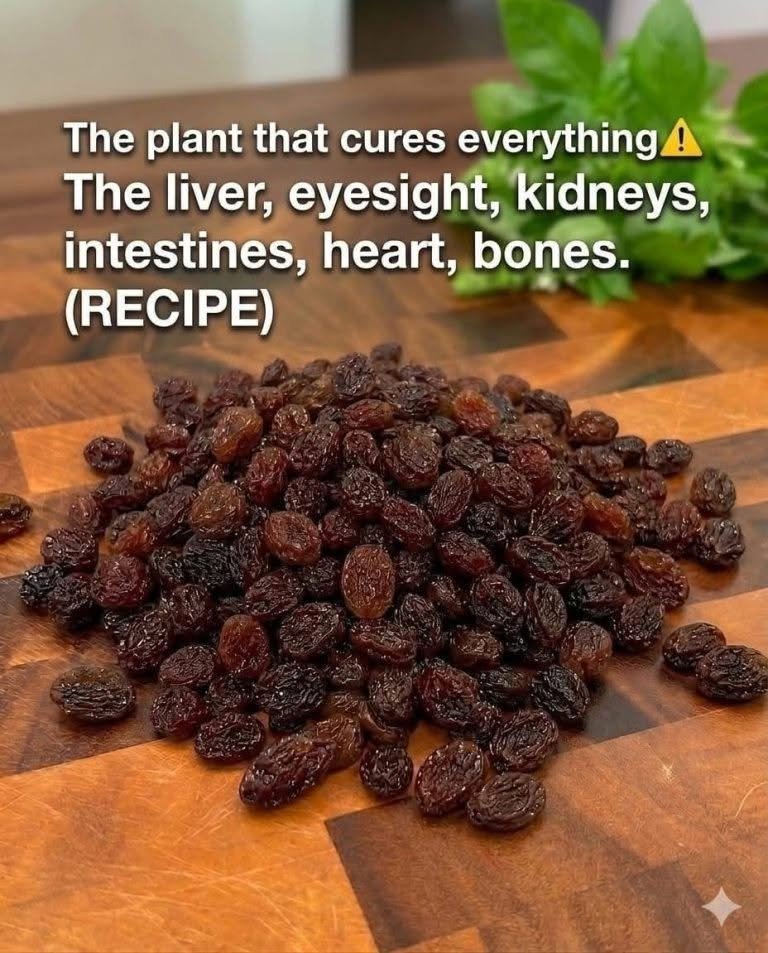
If by “the plant that cures everything” you mean a medicinal plant claimed to cure the liver, eyesight, kidneys, intestines, heart, and bones, there is an important distinction between traditional claims and scientific evidence:
There is no single plant scientifically proven to cure all of these organs or all diseases. WHO specifically recommends that herbal medicines be evaluated for safety, quality, and effectiveness rather than assuming that traditional use proves they work.
What different plants may actually do
| Body system | Plants commonly discussed | What evidence can support |
|---|---|---|
| Liver | Milk thistle, turmeric, green tea | Some have been studied for liver-related conditions, but none is a universal liver “cure.” Some concentrated herbal products can actually cause liver injury. |
| Eyesight | Bilberry, saffron, leafy plants containing carotenoids | Certain nutrients are important for eye health, but herbs cannot generally restore vision lost from cataracts, glaucoma, retinal disease, etc. |
| Kidneys | Cranberry, some traditional herbal preparations | They may have specific uses, but kidney disease should not be treated with an unidentified “cleansing” herb. Some herbal products can damage the kidneys. |
| Intestines/digestion | Ginger, peppermint, psyllium | These can have specific digestive benefits, such as helping nausea or constipation, but they don’t cure every intestinal disease. |
| Heart | Garlic, some forms of hawthorn, certain dietary plants | Some may modestly affect cardiovascular risk factors, but they are not substitutes for treatment of heart disease. Herbs can also interact with heart medicines. |
| Bones | Plants/nutrients providing calcium, vitamin K, etc. | Nutrition supports bone health, but an herb cannot be considered a universal treatment for osteoporosis or fractures. |
A particularly important warning
“Natural” does not automatically mean safe. Herbal supplements can interact with prescription medicines, contain contaminants or undeclared drugs, and in some cases cause serious liver or kidney injury.
For example, WHO has documented serious kidney toxicity from a preparation containing the toxic plant Aristolochia fangchi.
Also, the same plant can be beneficial in one preparation and harmful in another, because the dose, plant species, extraction method, contamination, and other ingredients matter.
If you have a specific plant in mind—for example moringa, neem, aloe vera, ashwagandha, tulsi, turmeric, wheatgrass, giloy (Tinospora cordifolia), or another plant—tell me its name or send a photo, and I can give you a detailed breakdown of:
- 🌿 exact plant identification
- 🧪 active compounds
- 🫀 heart effects
- 🧠 eyesight effects
- 🫘 kidney effects
- 🫁 liver effects
- 🦴 bone effects
- 🦠 intestinal/digestive effects
- 📚 what human clinical studies actually show
- ⚠️ side effects and drug interactions
- 💊 safe vs. potentially dangerous preparations
- 📌 traditional claims versus scientifically proven benefits
That would be much more reliable than assuming there is one plant that “cures everything.”