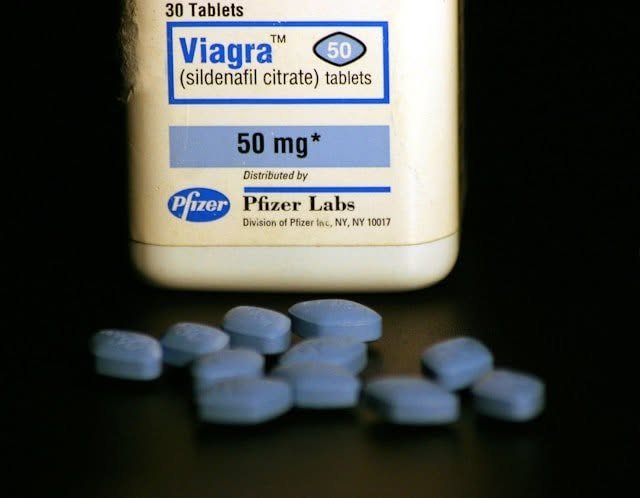
If you’re referring to the recent study behind headlines like “erection pills may have surprising health benefits,” there is a genuinely interesting finding—but the headline needs some context.
A 2025 study in The American Journal of Medicine analyzed medical-record data involving more than 500,000 men with erectile dysfunction. Men prescribed PDE-5 inhibitors such as sildenafil (Viagra) or tadalafil (Cialis) had lower observed rates over three years of:
- All-cause death
- Heart attack
- Stroke
- Venous thromboembolism
- Dementia
The associations were particularly strong for tadalafil.
However, this doesn’t prove that erection pills prevent these diseases. The study was observational, meaning researchers compared people who did and didn’t receive these medications rather than randomly assigning treatment. Differences between the groups that weren’t fully captured in the data could partly explain the results. A separate meta-analysis of 16 observational studies likewise found lower cardiovascular-event and mortality rates among PDE-5 inhibitor users, while emphasizing the need for randomized trials.
There is also a plausible biological explanation: PDE-5 inhibitors relax blood vessels and improve endothelial function, so researchers have hypothesized that their vascular effects could extend beyond erections.
Important: these drugs shouldn’t be taken simply to prevent heart disease or dementia. And PDE-5 inhibitors can be dangerous when combined with nitrate medications because the combination can cause a potentially severe drop in blood pressure.
So the intriguing takeaway is “these drugs are associated with better cardiovascular and neurological outcomes,” not “erection pills have been proven to make you healthier