17 Natural Habits to Keep Your Colon Healthy
A healthy colon (large intestine) depends largely on diet, hydration, physical activity, regular bowel habits, and preventive healthcare. Here are 17 evidence-based habits that can support colon health:
- Eat plenty of fiber
Aim for roughly 25–38 grams of fiber per day, depending on age and sex. Fiber helps keep stool soft and promotes regular bowel movements. Good sources include vegetables, fruits, beans, lentils, whole grains, nuts, and seeds. - Eat more vegetables and fruits
A variety of plant foods provides fiber and beneficial compounds. Try to include different colors of vegetables and fruits throughout the week. - Choose whole grains
Replace refined grains such as white bread and many highly processed cereals with oats, barley, brown rice, whole-wheat products, and other intact or minimally processed whole grains. - Drink enough water
Adequate fluid intake helps fiber work properly and can reduce constipation. Your needs vary according to body size, activity, climate, and medical conditions. - Include beans and lentils regularly
Legumes are particularly useful because they’re rich in fiber and other nutrients. Increase them gradually if you’re not used to eating much fiber, since a sudden increase can cause gas and bloating. - Exercise regularly
Walking, cycling, swimming, strength training, and other physical activities support overall digestive and metabolic health. A practical target for many adults is at least 150 minutes of moderate activity per week. - Maintain a healthy body weight
Excess body weight is associated with a higher risk of colorectal cancer and several other chronic conditions. Focus on sustainable eating and activity habits rather than extreme diets. - Don’t ignore the urge to have a bowel movement
Regularly delaying bowel movements can contribute to constipation for some people. Give yourself enough time to use the bathroom without rushing. - Develop a regular bathroom routine
Many people find it helpful to sit on the toilet at a consistent time, particularly after meals when the natural gastrocolic reflex can stimulate the bowel. - Limit heavily processed foods
Reduce frequent consumption of foods high in refined carbohydrates, added sugars, unhealthy fats, and sodium. Build meals around vegetables, fruits, whole grains, legumes, and minimally processed protein sources. - Limit processed meat
Bacon, sausage, hot dogs, salami, and similar processed meats have been associated with increased colorectal cancer risk. Keep them occasional rather than making them everyday foods. - Don’t smoke
Smoking is associated with numerous cancers and other diseases, including an increased risk of colorectal cancer. Quitting is one of the most beneficial changes you can make for your overall health. - Keep alcohol consumption low—or avoid it
Alcohol consumption is associated with an increased risk of colorectal cancer. Less is generally better from a cancer-prevention perspective. - Get enough sleep
Consistently good-quality sleep supports overall metabolic and immune health. Most adults should aim for approximately 7–9 hours per night. - Manage chronic stress
Stress can affect the gut-brain connection and bowel habits. Regular exercise, relaxation techniques, meditation, social connection, and adequate sleep can help. - Don’t rely on “colon cleanses” or detoxes
Colon cleanses, laxative detox programs, and enemas marketed for routine “detoxification” aren’t necessary for a healthy colon and can cause dehydration, electrolyte problems, or other complications. Your digestive system already has mechanisms for eliminating waste. - Keep up with colorectal cancer screening
Healthy habits don’t replace screening. Screening can detect precancerous polyps and colorectal cancer early. The appropriate test and starting age depend on your age, personal and family history, and risk factors.
A simple daily routine
A colon-friendly day might look like:
- Breakfast: oatmeal + berries + nuts/seeds
- Lunch: beans or lentils + vegetables + whole grain
- Snack: fruit or yogurt
- Dinner: vegetables + whole grain + fish, poultry, beans, or another nutritious protein
- Throughout the day: drink fluids regularly
- Activity: a brisk walk or other exercise
- Bathroom: respond to the urge rather than routinely holding it
- Lifestyle: avoid smoking and keep alcohol low
When to see a doctor
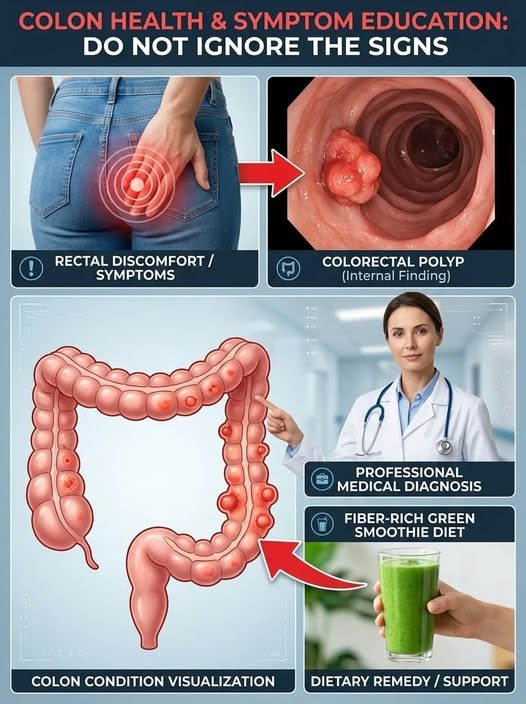
Don’t assume persistent digestive symptoms are simply a result of diet. Seek medical evaluation for blood in the stool, black/tarry stools, unexplained weight loss, persistent abdominal pain, a lasting change in bowel habits, persistent diarrhea or constipation, or unexplained anemia.
Also, if you’re considering a major increase in fiber and already have significant abdominal symptoms or a diagnosed intestinal condition, it’s worth discussing the change with a healthcare professional first.