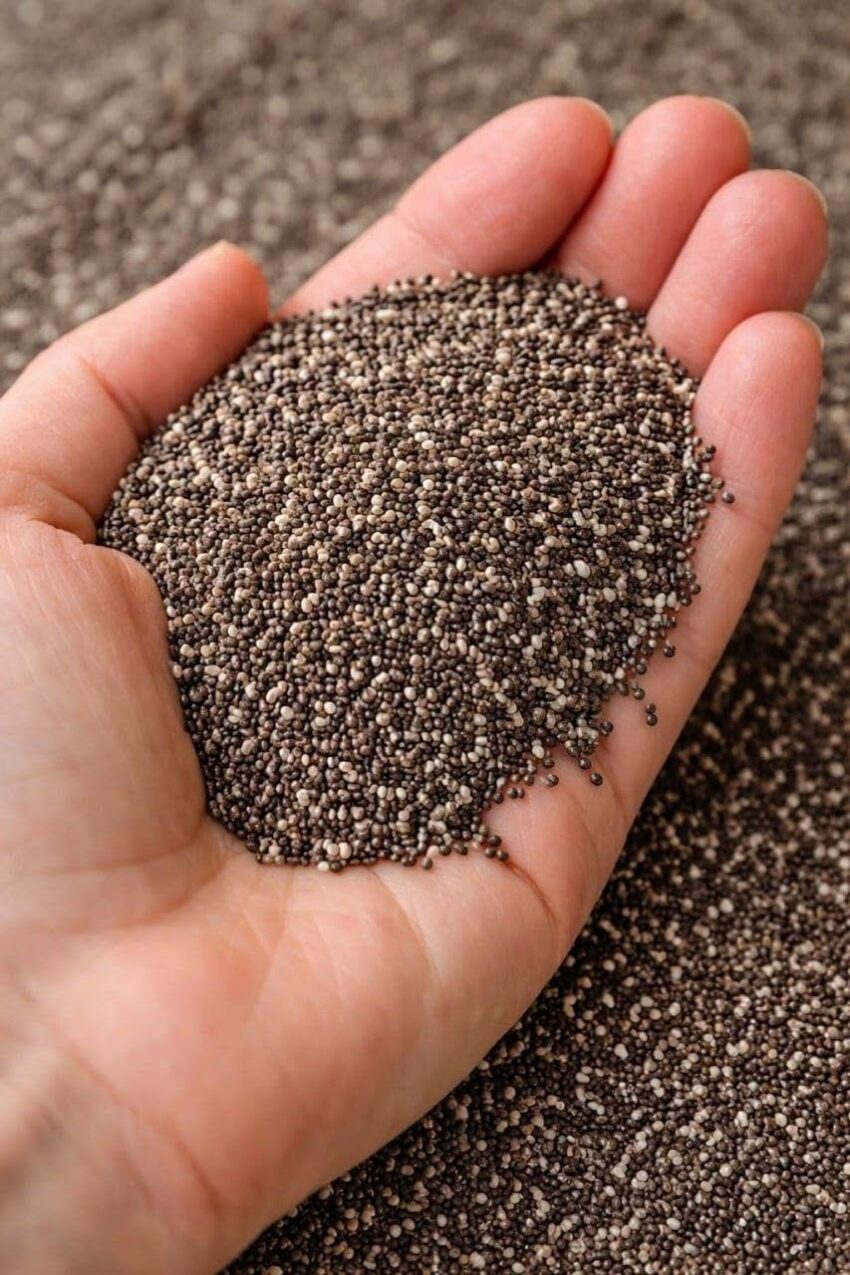
If you mean what doctors and medical research say about eating chia seeds, chia seeds are generally considered a nutritious food when eaten in reasonable amounts.
What chia seeds can do
-
Fiber: Chia seeds are very high in fiber. This can support regular bowel movements and may help you feel full for longer.
-
Heart health: They provide plant-based omega-3 (ALA), fiber, and minerals. These nutrients can contribute to a heart-healthy diet, although chia seeds aren’t a treatment for heart disease.
-
Blood sugar: The fiber and gel-forming properties of chia may slow digestion and absorption of carbohydrates, potentially producing a smaller rise in blood glucose after a meal.
-
Cholesterol: Regularly replacing less nutritious foods with fiber-rich foods such as chia may help improve cholesterol levels, although the effect from chia alone varies.
-
Minerals: They contain substantial amounts of calcium, magnesium, phosphorus, and manganese.
-
Protein: Chia provides plant protein and can be useful as part of a varied diet.
-
Antioxidants: Chia contains antioxidant compounds that help protect its fats from oxidation.
Possible problems from eating too much
Because chia is so high in fiber, suddenly eating a large quantity can cause:
-
Bloating or gas
-
Abdominal discomfort
-
Constipation, particularly if you don’t drink enough fluid
-
Diarrhea in some people
Dry chia seeds should not be swallowed in large amounts by themselves. They absorb water and expand considerably. Mixing them into yogurt, oatmeal, smoothies, or soaking them first is a safer and more comfortable way to consume them.
People with swallowing difficulties or certain gastrointestinal conditions should discuss chia consumption with a healthcare professional.
How much?
There isn’t one medically required daily dose. A practical amount for many adults is around 1–2 tablespoons (about 12–24 g) per day, introduced gradually and accompanied by adequate fluids.
Chia seeds are a useful food, but they aren’t a “miracle” food and shouldn’t replace prescribed treatment or a balanced diet.
If you tell me whether you’re interested in chia seeds for weight loss, diabetes, cholesterol, constipation, or eating them every day, I can explain the effects and potential risks in detail.