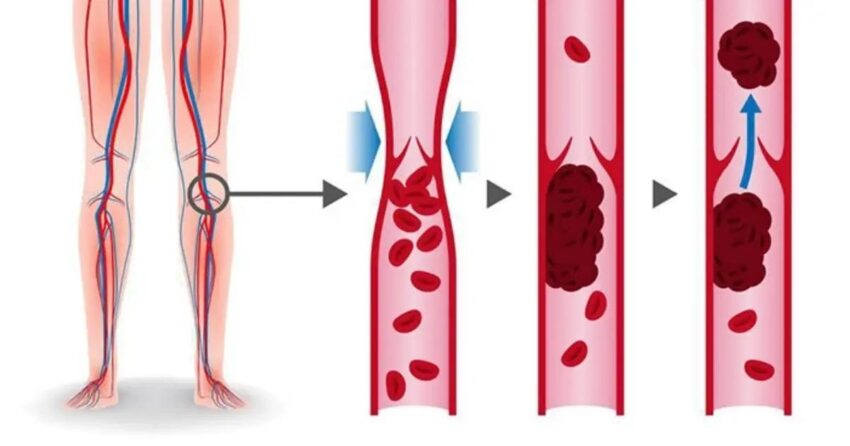
Importantly, one foot symptom by itself does not prove that you have blocked arteries. Cold feet, numbness, nail changes and foot pain can have many other causes. But a pattern of several changes—particularly when combined with risk factors such as smoking, diabetes, high blood pressure or high cholesterol—deserves medical evaluation.
1. Feet that are unusually cold
One possible warning sign is a foot or lower leg that feels noticeably colder than the other side.
When an artery is narrowed, less warm blood reaches the tissues below the blockage. The difference can be particularly noticeable between the two feet. The American Heart Association and NHLBI both list a colder foot or lower leg as a possible PAD symptom.
However, cold feet aren’t specific to PAD. Cold temperatures, certain medications, nerve problems and other circulation conditions can also cause them.
More concerning: one foot consistently being colder than the other, particularly when accompanied by pain, color changes or a weak pulse.
2. Leg or foot pain when walking
This is one of the most characteristic symptoms of PAD.
A person may walk a certain distance and develop:
-
Calf cramping
-
Aching or burning
-
Tightness or discomfort
-
Fatigue or heaviness
-
Pain in the thigh, buttock, ankle or foot
The important pattern is that the discomfort starts with walking or exercise and improves after resting. This is called intermittent claudication.
Why does this happen?
When you walk, your leg muscles need more oxygen-rich blood. If an artery is significantly narrowed, blood flow may be adequate while you’re resting but insufficient when your muscles are working harder. The resulting oxygen shortage produces pain or cramping.
3. Wounds that take a long time to heal
This is an especially important sign.
A small cut, blister, pressure sore or injury on the foot normally receives blood containing oxygen, nutrients and immune cells needed for healing. Significant arterial disease can reduce that supply.
Possible warning signs include:
-
A toe wound that doesn’t heal normally
-
A persistent ulcer on the foot
-
Repeated sores
-
An injury that keeps reopening
-
Infection around a poorly healing wound
Slow-healing or non-healing sores are recognized symptoms of PAD.
This becomes particularly important in people with diabetes, because diabetes can increase the risk of both PAD and nerve damage, making foot injuries easier to overlook.
4. Changes in skin color
Reduced arterial blood flow can cause changes in the appearance of the feet or legs.
A foot may become:
-
Pale
-
Bluish
-
Darker than usual
-
Redder when the leg is lowered
The American Heart Association notes that PAD-related skin may appear pale when the leg is raised and red when it is lowered.
Color changes can have many causes, though, so they need to be interpreted together with the rest of the examination.
5. Reduced hair growth on the legs
You might notice that hair on the lower legs or toes becomes thinner or grows more slowly.
Reduced blood supply can affect the skin and hair follicles. Slower or reduced hair growth is therefore one of the physical findings that can occur with PAD.
This isn’t a reliable home test for artery disease, however. Hair growth naturally varies with age, genetics, hormones and other conditions.
6. Toenails growing unusually slowly
Another possible circulation clue is slow-growing or altered toenails.
Poor arterial circulation can affect tissues that depend on adequate blood flow, including the nail bed. Slow toenail growth has been reported as a PAD symptom by the AHA and Mayo Clinic.
Again, nail changes alone aren’t enough to diagnose PAD.
7. Numbness, weakness or a “pins and needles” feeling
PAD can sometimes cause:
-
Numbness
-
Weakness
-
Tingling
-
Pins-and-needles sensations
-
Difficulty walking normally
NHLBI lists numbness, weakness and pins-and-needles sensations among possible PAD symptoms.
But nerve disorders—particularly diabetic neuropathy—can produce very similar symptoms. This is one reason a proper examination is important rather than assuming that every foot sensation represents an artery problem.
8. A weak pulse in the foot
Doctors can physically check pulses in the feet and legs.
A weak or absent pulse can suggest that blood flow through an artery is reduced. Mayo Clinic lists a weak or absent leg/foot pulse among the possible findings of PAD.
This isn’t something you should rely on yourself to diagnose. Healthcare professionals can compare pulses on both sides and combine that finding with other examinations and tests.
The most important clue: the walking–rest pattern
One of the classic patterns is:
Walk → leg/calf pain develops → stop walking → pain improves → start walking again → pain returns.
This is called intermittent claudication and is strongly associated with PAD.
For example, someone might say:
“After walking two blocks, my calf starts aching. If I stop for a few minutes, it goes away. When I start walking again, it comes back.”
That pattern is worth telling a healthcare professional about.
What severe arterial disease can look like
PAD exists on a spectrum. In more advanced disease, reduced blood flow can cause pain even when the person is resting, particularly at night or when lying down.
More serious warning signs include:
-
Persistent foot or leg pain at rest
-
Severe or worsening pain
-
A very cold foot
-
Significant color change
-
Numbness or weakness
-
Non-healing ulcers
-
Tissue turning dark or black
Severe loss of blood flow can result in tissue death (gangrene) and potentially limb-threatening complications.
A suddenly cold, pale/blue, numb or extremely painful foot is an emergency and should be evaluated immediately, because an acute blockage can threaten the limb.
Why your feet can tell you something about your heart
This is an important point.
PAD isn’t merely a “foot circulation problem.” The same underlying process—usually atherosclerosis—can affect arteries throughout the body.
A person with PAD can also have disease involving arteries supplying the:
-
Heart
-
Brain
-
Legs
-
Other organs
The American Heart Association notes that people with PAD have increased risk of coronary artery disease, heart attack and stroke.
So finding PAD can prompt healthcare professionals to look more carefully at overall cardiovascular risk.
How doctors actually check artery circulation
Looking at your feet provides clues, but doctors don’t diagnose PAD simply by looking at them.
Ankle-Brachial Index (ABI)
One of the main tests is the ankle-brachial index (ABI).
The healthcare professional measures blood pressure in your arm and ankle and compares the readings.
According to the American Heart Association:
-
1.0–1.4: generally considered normal
-
≤0.90: abnormal and may indicate PAD
-
<0.40: associated with severe disease
-
>1.40: may indicate noncompressible arteries and requires additional evaluation
NHLBI similarly notes that an ABI below 0.90 can indicate PAD and that very low values can indicate severe disease.
The test is noninvasive and painless.
Depending on the circumstances, doctors may also use a toe-brachial index, Doppler ultrasound, CT angiography, MR angiography or other vascular tests.
Who should pay particular attention?
PAD becomes more likely with certain risk factors, including:
-
Smoking or tobacco use
-
Diabetes
-
High blood pressure
-
High cholesterol
-
Older age
-
Family history of PAD, heart disease or stroke
-
Obesity
-
Existing cardiovascular disease
Someone with several of these risk factors who develops exertional calf pain or a persistently cold/discolored foot should discuss PAD with a healthcare professional.
An important misconception: PAD doesn’t always hurt
You should not assume that normal-feeling feet mean your arteries are healthy.
PAD can cause few or no obvious symptoms. NHLBI reports that many people have atypical symptoms or no symptoms at all.
That’s why risk factors, physical examination and appropriate testing matter.
What you can do for your artery health
If PAD is suspected or diagnosed, treatment generally focuses on improving circulation, reducing cardiovascular risk and preventing complications.
Depending on the individual situation, management can include:
-
Regular walking or a supervised exercise program
-
Stopping tobacco use
-
Heart-healthy eating
-
Controlling blood pressure
-
Managing cholesterol
-
Managing diabetes and blood sugar
-
Appropriate medications
-
In more serious cases, procedures to restore blood flow
The exact treatment should be individualized by a healthcare professional.
Bottom line
Your feet can provide useful clues, particularly if you notice a combination of one-sided coldness, walking-related calf/leg pain, color changes, slow-healing wounds, reduced hair/nail growth, numbness or weak pulses. These findings don’t prove PAD, but they can be reasons to have your circulation checked.
And because PAD is associated with disease in other arteries, identifying it can be an important part of assessing overall cardiovascular health, not just the health of your feet.