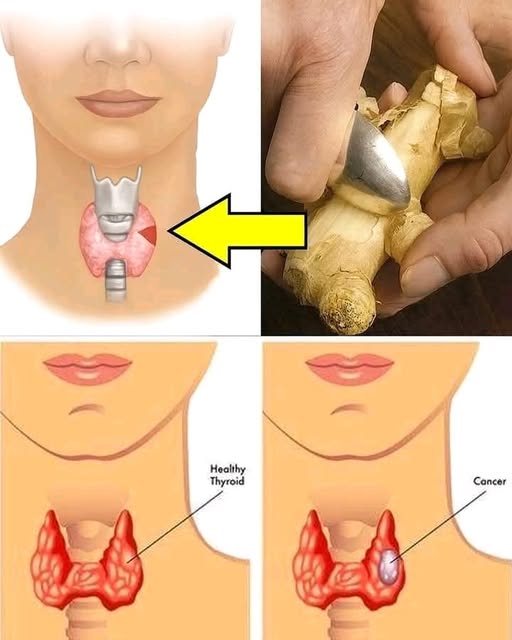
19 Foods to Avoid or Limit With Thyroid Problems
If you have a thyroid condition, such as hypothyroidism (an underactive thyroid), hyperthyroidism (an overactive thyroid), or Hashimoto’s thyroiditis, your diet can affect how well your treatment works.
The good news: You usually don’t need to eliminate entire food groups. Most foods are safe in moderation. The main concerns are excessive iodine, certain supplements, and foods or drinks that interfere with thyroid medication.
Importantly, foods that may be an issue for an underactive thyroid aren’t necessarily a problem for an overactive thyroid.
The 19 foods and ingredients to watch
These are not all foods you must avoid. Each item explains when limiting it may be helpful.

1. Kelp and kelp supplements
Extremely high in iodine, which may worsen an overactive thyroid or Hashimoto’s disease. Avoid iodine-rich supplements unless prescribed.

2. Dulse and other seaweed
Iodine levels vary widely. Frequent or large amounts can be problematic for people sensitive to iodine.

3. Excessive iodized salt
Normal dietary use is generally fine, but avoid deliberately consuming large amounts of iodine. Do not eliminate iodine entirely without medical advice.

4. Iodine supplements
High-dose iodine drops and tablets can disrupt thyroid function. Check with your clinician before using them.

5. Large amounts of raw cruciferous vegetables
Broccoli, cabbage, cauliflower and Brussels sprouts are safe for most people in normal portions. Very large quantities may matter more when iodine intake is low. You generally do not need to avoid them.

6. Soy foods
Tofu, soy milk and edamame can interfere with levothyroxine absorption if consumed too close to your dose. Consistent intake and proper medication timing are more important than eliminating soy.

7. Milk and dairy taken with thyroid medication
Calcium can reduce medication absorption. Separate calcium-rich foods according to your medication instructions; calcium supplements commonly need at least four hours of separation from levothyroxine. Dairy itself is not generally forbidden.

8. Calcium supplements
These may reduce levothyroxine absorption. Take them at a different time as directed by your clinician or pharmacist.

9. Iron supplements
Iron can interfere with thyroid hormone medication. They are often separated from levothyroxine by at least four hours. Do not stop prescribed iron without advice.

10. Coffee taken too soon after levothyroxine
Coffee may reduce absorption when consumed alongside or soon after the tablet. Take your medicine with water and wait the recommended interval, commonly 30–60 minutes before coffee.

11. Very high-fiber meals close to medication
Fiber-rich foods are healthy, but a sudden major increase in fiber intake can affect medication absorption in some people. Keep your intake consistent and ask whether your dose timing needs adjustment.

12. Grapefruit and grapefruit juice
Grapefruit interacts with certain medicines, although it is not a universal thyroid-food restriction. Check your full medication list rather than avoiding it solely because of thyroid disease.

13. Refined carbohydrates
White bread, pastries and sugary cereals are not direct thyroid toxins. Limit them if they crowd out nutrient-rich foods or make weight and blood sugar management harder.

14. Sugary desserts
Cakes, cookies and sweets do not directly damage the thyroid, but frequent large portions can contribute to excess calorie intake and poor overall diet quality.

15. Frequent fast food
Burgers, fries and fried meals are often high in sodium and calories. Limit them for general health, not because they are proven to cause thyroid disease.

16. Processed meats
Bacon, hot dogs and sausages are worth limiting for cardiovascular and general health. They are not specifically prohibited for thyroid conditions.

17. Energy drinks and excessive caffeine
If you have hyperthyroidism, caffeine may aggravate palpitations, shakiness, anxiety or sleep problems. Reduce it if it worsens symptoms.

18. Excessive alcohol
Alcohol is not universally prohibited for thyroid disease, but heavy consumption can harm overall health and may complicate medication management. Ask your clinician about your specific treatment.

19. High-dose biotin and unverified thyroid supplements
Biotin, often marketed for hair and nails, can distort thyroid blood-test results. “Thyroid support” products may contain iodine or thyroid-active ingredients. Tell your clinician what you take and ask when to pause biotin before testing.
Which foods should you avoid for your specific thyroid condition?
Hypothyroidism (underactive thyroid)
Focus on correct medication timing. Avoid excessive iodine and be cautious with supplements. Cruciferous vegetables, soy and gluten do not automatically need to be eliminated.
Hashimoto’s thyroiditis
Avoid high-dose iodine supplements and excessive kelp or seaweed. A gluten-free diet is usually necessary only when there is a separate reason, such as celiac disease.
Hyperthyroidism (overactive thyroid)
Pay particular attention to kelp, iodine supplements and other concentrated iodine sources. Consider reducing caffeine if you experience a racing heartbeat, tremors or anxiety.
Thyroid cancer treatment or radioactive iodine scans
Your medical team may prescribe a temporary low-iodine diet. This is a special situation, not a diet everyone with thyroid disease needs.
What foods are generally good for thyroid health?


Choose a balanced diet that includes:
-
Protein sources such as eggs, fish, beans, poultry and tofu.
-
Fruits and vegetables of different colors.
-
Whole grains and other fiber-rich foods.
-
Appropriate amounts of iodine, selenium, zinc and iron from food.
-
Healthy fats from nuts, seeds, olive oil and fish.
No single food can cure a thyroid disorder, and taking extra thyroid-related supplements is not necessarily beneficial.
One important question
Which thyroid problem do you have? The right dietary advice depends on the diagnosis.
1. Your thyroid condition
2. Do you take thyroid medication?