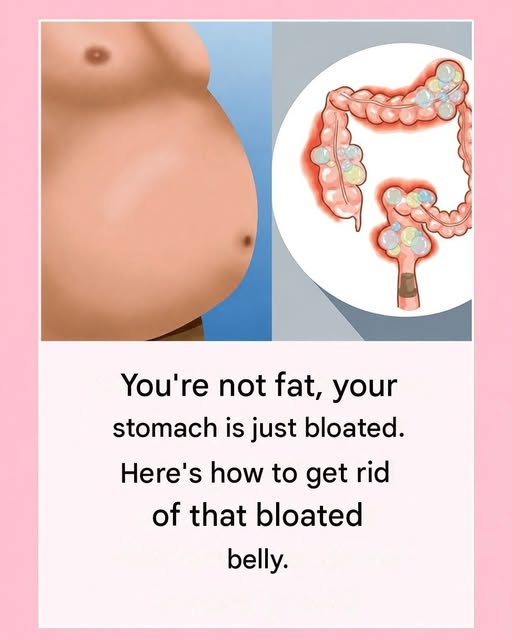
You Aren’t Necessarily Fat — Your Stomach Might Be Bloated: A Detailed Guide to Understanding and Reducing Bloating
Have you ever looked in the mirror in the morning, noticed a relatively flat stomach, and then found your abdomen looking much bigger after lunch or dinner? Or perhaps your stomach feels tight, full, heavy, or swollen even though your weight has not changed much.
You may be experiencing bloating rather than gaining body fat.
Bloating is common, and it can make your abdomen look and feel noticeably larger. The good news is that many causes of bloating can be managed by changing eating habits, identifying food triggers, treating constipation, and addressing underlying digestive issues.
However, it is important to understand one thing: bloating and body fat are different, and both can occur at the same time. You cannot determine your body fat simply by looking at your stomach on a particular day.


1. What exactly is bloating?
Bloating is a sensation of fullness, pressure, tightness, or swelling in the abdomen. Some people experience it as a visible increase in abdominal size, while others feel uncomfortable without much visible change.
Your abdomen may feel:
-
Tight or stretched, especially after meals.
-
Full even after eating a small amount.
-
Gassy, with frequent burping or passing gas.
-
Larger in the evening than in the morning.
-
Uncomfortable when sitting, bending, or wearing tight clothing.
-
Harder or more distended than usual, although a persistently hard or painful abdomen needs medical attention.
Bloating versus belly fat
|
Feature |
Bloating |
Body fat |
|---|---|---|
|
How quickly it changes |
Can change over hours |
Usually changes gradually |
|
After meals |
Often becomes more noticeable |
Usually changes little |
|
In the morning |
May be less noticeable |
Generally still present |
|
Common sensations |
Pressure, fullness, gas |
Usually no digestive sensation |
|
What helps |
Treating the digestive cause |
Long-term changes in overall body composition, if desired |
These are general patterns, not a diagnostic test. Hormonal changes, constipation, fluid retention, and other conditions can also change abdominal size.
2. Why does your stomach get bloated?


There is rarely just one cause. The most common reasons include the following.
1. Gas trapped in your digestive system
Your digestive tract naturally produces gas as bacteria break down certain carbohydrates. You also swallow air when eating and drinking.
Gas can accumulate and make your abdomen feel swollen, particularly after meals. Eating quickly, drinking fizzy beverages, chewing gum, and eating certain fermentable foods can contribute.
2. Constipation
If you have bowel movements less often than usual, pass hard stools, or feel that you have not completely emptied your bowels, constipation may be contributing to your bloating.
When stool builds up, your abdomen can feel heavy, full, or distended. Simply drinking more water may not resolve constipation on its own, but adequate fluids, appropriate fiber intake, and physical activity can help.
3. Eating large meals
Your abdomen naturally expands to accommodate food and liquid. A very large meal can make you feel full and look temporarily bigger.
Eating rapidly can make this worse because you may swallow more air and eat beyond the point of comfortable fullness.
4. Food intolerances
Some people have difficulty digesting particular foods or carbohydrates.
Common examples include:
-
Lactose: found in milk, ice cream, and some soft cheeses.
-
Fructose: found naturally in certain fruits, honey, and some sweetened drinks.
-
Certain fermentable carbohydrates: found in foods such as onions, garlic, wheat products, beans, and some fruits.
-
Sugar alcohols: such as sorbitol, mannitol, and xylitol in some sugar-free products.
These foods do not cause bloating in everyone. The goal is to identify your own triggers rather than eliminate every food on the list.
5. Hormonal changes
Some people experience bloating in the days leading up to menstruation or during their period. Hormonal fluctuations can affect fluid retention and bowel function.
This type of bloating may improve as the menstrual cycle progresses.
6. Irritable bowel syndrome (IBS) or other digestive conditions
Frequent bloating can sometimes be associated with irritable bowel syndrome, celiac disease, lactose intolerance, or other gastrointestinal conditions.
If bloating repeatedly occurs with abdominal pain, diarrhea, constipation, or changes in your bowel habits, it is worth discussing with a healthcare professional rather than assuming it is simply caused by food.
3. How to reduce bloating naturally: 10 practical steps

1. Drink enough water
Drink water regularly throughout the day. Adequate hydration helps support normal digestion and can help prevent constipation.
You do not need to force yourself to drink excessive amounts. Your needs depend on your activity, climate, diet, and health.

2. Eat slowly and chew thoroughly
Give yourself time to eat. Put your utensils down occasionally, chew your food well, and avoid rushing through meals.
Eating slowly may reduce swallowed air and make it easier to notice when you are comfortably full.

3. Take a gentle walk after meals
Try walking for 10–15 minutes after eating if you feel comfortable.
Regular movement can support digestion and may help with gas and constipation. You do not need intense cardio or abdominal exercises to reduce bloating.

4. Reduce fizzy drinks
Carbonated drinks introduce gas into your digestive tract. If you regularly drink soda, sparkling water, or other fizzy beverages, try replacing them with still water for a week and see whether your symptoms improve.

5. Try smaller meals
Instead of eating one or two extremely large meals, try moderate portions spaced comfortably throughout the day.
Avoid eating to the point of painful fullness. You do not need to skip meals or starve yourself to achieve a flatter-looking abdomen.

6. Adjust fiber gradually
Fiber helps prevent constipation, but suddenly increasing it can cause extra gas.
If constipation is an issue, try adding oats, kiwi, or other tolerated sources of soluble fiber gradually. Drink enough fluids, and avoid suddenly consuming large amounts of bran or fiber supplements.

7. Keep a food and symptom diary
For one to two weeks, note what you eat, when bloating starts, how long it lasts, and whether you have constipation or diarrhea.
This can help you spot patterns, such as symptoms after milk, particular sweeteners, or very large meals.

8. Be careful with herbal remedies
Warm drinks may be soothing, but no tea or detox drink reliably eliminates bloating for everyone.
Peppermint can aggravate acid reflux in some people. Avoid relying on herbal products with unproven claims about cleansing the intestines or melting belly fat.

9. Maintain a regular sleep schedule
Aim for consistent, sufficient sleep. Stress and disrupted routines can affect gut symptoms in some people.
Relaxation, regular meals, and gentle activity may help, especially if your symptoms worsen during stressful periods.

10. Identify individual food triggers
If a particular food repeatedly causes symptoms, try a targeted change rather than removing several food groups at once.
If bloating is persistent, a registered dietitian or healthcare professional can help assess whether a structured dietary approach is appropriate.
These measures are consistent with recommendations from the NHS, NIDDK, and Mayo Clinic.
4. What foods should you eat if you experience bloating?
There is no universal anti-bloating diet. The best choices depend on your digestive system and the reason you are bloated.

Oats and tolerated fruits
Oats provide soluble fiber, which can help with constipation. Kiwi, oranges, and berries may also fit into a balanced diet, depending on your individual tolerance.

Cooked vegetables
Carrots, zucchini, spinach, and green beans are options to try. Cooking vegetables may make them more comfortable to eat for some people, although it does not eliminate every fermentable carbohydrate.

Simple balanced meals
Rice, potatoes, eggs, fish, chicken, and tolerated vegetables can make up satisfying meals without requiring restrictive eating.

Lactose-free alternatives, if needed
If lactose triggers your symptoms, lactose-free milk or yogurt may help you maintain calcium and protein intake without the same lactose exposure.
Foods and drinks worth testing as possible triggers
|
Food or drink |
Why it may contribute |
|---|---|
|
Soda and sparkling drinks |
Add gas to the digestive tract |
|
Milk and ice cream |
Lactose may be poorly digested |
|
Beans and lentils |
Fermentable carbohydrates can produce gas |
|
Onions and garlic |
Contain fermentable carbohydrates |
|
Large, fatty meals |
Can worsen fullness or indigestion in some people |
|
Sugar-free gum and sweets |
Some contain gas-producing sugar alcohols |
|
Very large servings of high-fiber foods |
A sudden increase in fiber can increase gas |
You do not have to avoid all these foods. Change one likely trigger at a time and observe the results.
5. A simple one-day eating plan to try
This is an example, not a medical prescription or a guaranteed cure. Adjust the portions to your appetite, dietary needs, and activity level.

Breakfast
Oatmeal and eggs
Oatmeal with a banana and eggs or another protein source. Eat at a comfortable pace.

Snack, if hungry
Fruit and nuts
Choose a fruit you tolerate and a small handful of nuts.

Lunch
Rice, chicken, and cooked vegetables
Include a comfortable portion of protein, carbohydrates, and vegetables.

Snack, if hungry
Lactose-free yogurt or an alternative
A useful option if ordinary dairy causes symptoms.

Dinner
Fish or another protein with potatoes and vegetables
Keep the portion comfortable and choose vegetables that agree with you.
Drink water regularly and consider a gentle walk after lunch or dinner. If a food on this plan makes your symptoms worse, replace it with something you tolerate.
6. What should you do when your stomach is bloated right now?
If your abdomen feels swollen after a meal, try the following sequence:
-
Stop eating when you are uncomfortably full; you can eat again when you are hungry.
-
Sip some water rather than drinking a large amount at once.
-
Walk gently for 10–15 minutes if you feel well enough.
-
Avoid additional fizzy drinks, chewing gum, and very large meals for the moment.
-
If you are constipated, address that problem rather than focusing only on the size of your stomach.
-
Give your digestive system time. Bloating may settle over several hours, but the time varies with the cause.
Some people find gentle abdominal massage helpful, but avoid pressing or massaging a painful or unusually swollen abdomen.
Important: Do not use laxatives, water pills, prolonged fasting, or detox teas simply to make your stomach appear flatter. They can cause harm and do not remove body fat.
7. How long does it take for bloating to go away?
The timeline depends on the cause.
|
Cause |
General expectation |
|---|---|
|
Swallowed air or gas after a meal |
May improve over several hours |
|
A large meal |
Fullness usually eases as digestion progresses |
|
Constipation |
May persist until bowel movements improve |
|
Food intolerance |
May recur after the triggering food is eaten |
|
Menstrual bloating |
May improve as hormonal changes settle |
|
Persistent digestive condition |
May require evaluation and targeted treatment |
These are broad patterns, not guarantees. If you are bloated regularly, symptoms are worsening, or simple changes are not helping, arrange a medical assessment.
8. Can you get a flat stomach by reducing bloating?
You may notice that your stomach looks less distended when the underlying bloating improves. However, reducing bloating is not the same as losing belly fat.
-
If your stomach changes noticeably between morning and evening, digestive contents, gas, or other temporary changes may be contributing.
-
If your abdominal shape remains relatively stable over time, normal body fat, anatomy, posture, and muscle tone may contribute.
-
If your abdomen remains enlarged or the change is new and persistent, do not automatically assume it is bloating.
Abdominal exercises can strengthen your core, but they do not selectively burn fat from your stomach. Likewise, a supplement or special drink cannot reliably melt belly fat or guarantee a flat abdomen.
You do not need to have a completely flat stomach to be healthy.
9. When should you seek medical help?
Most occasional bloating is not dangerous, but persistent or unusual symptoms should not be ignored.
Seek emergency medical care if you have:
-
Sudden, severe abdominal pain.
-
A swollen abdomen with severe pain or repeated vomiting.
-
Vomiting blood or material that resembles coffee grounds.
-
Severe difficulty breathing.
Seek prompt medical advice if bloating occurs with persistent vomiting, fever, significant abdominal pain, inability to pass stool or gas, blood in your stool, unexplained weight loss, or a new abdominal lump. Recurrent or persistent bloating also deserves assessment, particularly if it is a new change.
10. Let’s narrow down what might be causing your bloating
The most effective solution depends on when your stomach gets bigger and what other symptoms you experience.
1. When is your stomach most bloated?
2. What symptoms do you experience?
Select all that apply.
3. How are your bowel movements?
4. Have you noticed any food triggers?