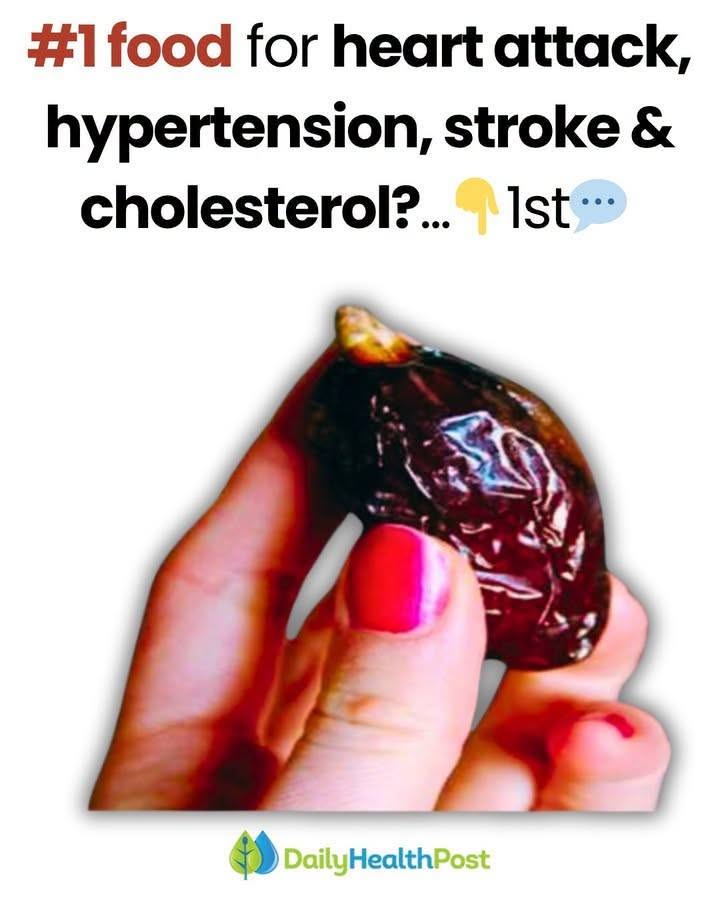
The fruit you’re referring to is most likely kiwifruit (kiwi). 🥝
Research has found that eating 2–3 kiwifruits daily may help improve certain cardiovascular health markers, including blood triglycerides and platelet activity.


1. The research behind kiwi’s heart-health benefits
A study published in 2004, titled Effects of Kiwi Fruit Consumption on Platelet Aggregation and Plasma Lipids in Healthy Human Volunteers, investigated the effects of regular kiwi consumption.
Study details:
-
Participants consumed 2–3 kiwifruits daily.
-
Duration: 28 days.
-
Study design: Randomized crossover trial.
15%
Reduction in blood triglycerides
18%
Reduction in platelet aggregation response
Compared with the control condition. Cholesterol levels did not significantly change.
Source:
2. Why kiwi may support heart health
Kiwi contains several potentially beneficial nutrients:
-
Vitamin C: Helps protect cells against oxidative damage.
-
Polyphenols: Plant compounds with antioxidant properties.
-
Dietary fibre: Supports healthy cholesterol metabolism.
-
Potassium: Helps regulate blood pressure.
-
Vitamin E: Contributes to antioxidant protection.
3. Potential health benefits
Regular kiwi consumption may contribute to:
-
Better triglyceride levels.
-
Healthier platelet function.
-
Improved overall dietary antioxidant intake.
-
Better digestive health through dietary fibre.
-
Support for cardiovascular health as part of a balanced diet.
4. How much kiwi should you eat?

A practical serving is 1–2 medium kiwifruits daily.
The study specifically tested 2–3 kiwifruits per day for four weeks.
5. An important scientific clarification
The 15% triglyceride reduction is supported by the study. However, it did not establish that kiwi reduces fat oxidation.
Also, this was a relatively small, short-term study. Its findings do not prove that eating kiwi prevents heart attacks or cardiovascular disease.
Bottom line: Kiwi is a nutrient-rich fruit with promising preliminary evidence for supporting heart health, particularly through its observed effects on triglycerides and platelet aggregation.