The Surprising Benefits of Beets and How They May Support Your Health


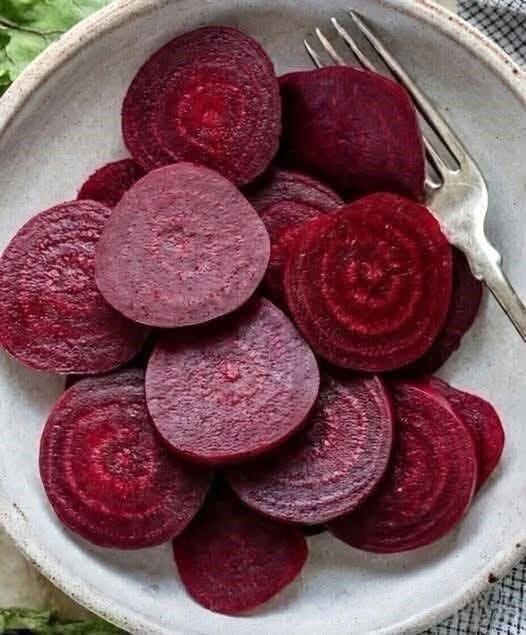
Beets, also known as beetroot, are among the most nutritious root vegetables. Their deep red-purple color, naturally sweet flavor, and impressive nutritional profile make them an excellent addition to a healthy diet.
But beets offer more than just vitamins and minerals. They contain unique natural compounds called dietary nitrates, betalains, and polyphenols, which may support blood circulation, heart health, exercise performance, digestion, and overall cellular health.
Research has also explored their potential effects on blood pressure, inflammation, brain function, and metabolic health.
Let’s explore the surprising benefits of beets, how they work inside your body, and the best ways to enjoy them.
1. Nutritional value of beets

Beets are relatively low in calories while providing several important nutrients.
Approximate nutritional value of 100 grams of raw beets:
|
Nutrient |
Amount |
|---|---|
|
Calories |
43 kcal |
|
Carbohydrates |
9.6 g |
|
Dietary fiber |
2.8 g |
|
Protein |
1.6 g |
|
Fat |
0.2 g |
|
Folate (vitamin B9) |
109 mcg |
|
Potassium |
325 mg |
|
Vitamin C |
4.9 mg |
|
Magnesium |
23 mg |
|
Iron |
0.8 mg |
|
Manganese |
0.3 mg |
Beets also contain naturally occurring nitrates and antioxidant pigments that contribute to their potential health benefits.
Why this matters: Beets provide a combination of fiber, essential minerals, folate, and beneficial plant compounds in a relatively low-calorie food.
2. May help lower blood pressure naturally

One of the most researched benefits of beets is their potential to support healthy blood pressure.
Beets are naturally rich in dietary nitrates, which the body can convert into nitric oxide.
Nitric oxide is a molecule that helps blood vessels relax and widen.
This process is called vasodilation.
How it works:
-
You eat nitrate-rich beets.
-
Bacteria in your mouth help convert dietary nitrates into nitrites.
-
Nitrites are further converted into nitric oxide in the body.
-
Nitric oxide helps relax blood vessel walls.
-
Blood can flow more easily, potentially reducing blood pressure.
Potential benefits include:
-
Supporting healthy circulation.
-
Helping blood vessels maintain flexibility.
-
Supporting normal blood pressure.
-
Reducing resistance to blood flow.
Some clinical studies have found that beetroot juice can modestly reduce blood pressure, particularly systolic blood pressure.
However, the effect varies between individuals and should not replace prescribed blood pressure medication.
3. Supports heart health

Your heart depends on healthy blood vessels, proper circulation, and adequate oxygen delivery.
Beets may support cardiovascular health through several mechanisms.
Three important ways:
-
Nitric oxide production: Helps blood vessels relax and supports healthy blood flow.
-
Antioxidant activity: Betalains and other plant compounds help protect cells against oxidative stress.
-
Fiber: Dietary fiber supports healthy cholesterol metabolism as part of a balanced diet.
Beets may therefore contribute to a heart-healthy eating pattern.
It is important to understand that eating beets has not been proven to prevent heart attacks or eliminate heart disease. Their benefits are best considered part of an overall healthy lifestyle.
4. Improves exercise performance and stamina

This is one of the most interesting benefits of beetroot.
Beetroot juice is popular among athletes because its nitrate content may improve exercise efficiency.
Nitric oxide helps regulate blood flow and may improve how muscles use oxygen during physical activity.
Potential benefits include:
-
Improved exercise efficiency.
-
Better oxygen utilization during certain activities.
-
Support for endurance exercise.
-
Potential improvements in exercise tolerance.
-
Reduced oxygen cost during submaximal exercise.
Some research suggests beetroot supplementation may help with activities such as cycling, running, and endurance training.
However, results are not consistent across all studies, and benefits may be smaller in highly trained athletes.
Practical tip: Research protocols often use nitrate-rich beetroot juice approximately 2–3 hours before exercise. The amount of nitrate matters more than the volume of juice.
5. Provides powerful antioxidants

Beets get their beautiful red-purple color from natural pigments called betalains.
These compounds have attracted scientific interest because of their antioxidant properties.
Two important types are:
-
Betacyanins: Responsible for much of the red-purple color.
-
Betaxanthins: Contribute yellow-orange pigments.
Antioxidants help protect cells against oxidative stress, which occurs when the production of reactive molecules exceeds the body’s ability to control them.
Oxidative stress is associated with several biological processes involved in aging and chronic disease.
Potential roles of beet antioxidants include:
-
Helping protect cells from oxidative damage.
-
Supporting the body’s antioxidant defenses.
-
Helping regulate inflammatory pathways.
-
Contributing to overall cellular health.
However, laboratory antioxidant activity does not automatically mean that eating beets prevents specific diseases in humans.
6. Supports digestive health and gut function

Beets contain dietary fiber, which is important for maintaining a healthy digestive system.
Fiber supports digestion in several ways.
Benefits include:
-
Promoting regular bowel movements.
-
Helping prevent constipation.
-
Supporting healthy intestinal function.
-
Providing nourishment for beneficial gut bacteria.
-
Supporting a healthier gut environment.
Some dietary fibers are fermented by gut bacteria, producing short-chain fatty acids that help support the intestinal lining.
Eating whole beets provides more fiber than drinking strained beetroot juice.
Best option: Include cooked or raw beets in meals rather than relying exclusively on juice.
7. May support brain health and cognitive function

Your brain needs a continuous supply of oxygen and nutrients to function properly.
Because beets contain dietary nitrates, researchers have investigated whether they can support blood flow to the brain.
Nitric oxide may help regulate blood vessel function, including blood vessels supplying the brain.
Potential benefits being investigated include:
-
Supporting healthy cerebral circulation.
-
Helping maintain blood vessel function.
-
Supporting oxygen delivery to brain tissue.
-
Potentially helping preserve cognitive performance as people age.
Some small studies have explored beetroot juice combined with exercise and its effects on brain blood flow and cognitive performance.
However, the evidence is still developing. There is currently insufficient evidence to conclude that eating beets prevents dementia, Alzheimer’s disease, or age-related memory loss.
8. Supports healthy red blood cell production

Beets contain folate, also known as vitamin B9.
Folate is essential for several important processes in the body.
It helps with:
-
DNA production and repair.
-
Normal cell division.
-
Formation of healthy red blood cells.
-
Normal growth and development.
-
Supporting healthy tissue formation.
A deficiency in folate can contribute to a type of anemia called megaloblastic anemia.
Beets can help contribute to your daily folate intake.
Important: Beets are not a treatment for anemia. They contain only modest amounts of iron, and their iron content is not enough to treat iron-deficiency anemia.
9. May help support healthy blood sugar regulation

Beets contain natural carbohydrates, but they also provide fiber and beneficial plant compounds.
Their fiber helps slow digestion and can contribute to a more gradual absorption of carbohydrates.
Potential benefits include:
-
Supporting digestive regulation of glucose.
-
Contributing to a balanced diet.
-
Providing antioxidants that may help protect cells against oxidative stress.
-
Supporting overall metabolic health.
Some laboratory and animal studies suggest that betalains may influence pathways associated with glucose metabolism.
However, human evidence is limited, and beets have not been established as a treatment for diabetes.
A useful tip: Eat whole beets alongside protein, healthy fats, and other vegetables. This creates a more balanced meal than drinking a large glass of beetroot juice alone.
10. May support healthy weight management

Beets can be a helpful food for people trying to maintain a healthy weight.
Why?
-
They are relatively low in calories.
-
They contain dietary fiber.
-
Their natural sweetness can help add flavor to meals.
-
They can contribute to fullness when eaten as part of a balanced meal.
-
They provide important nutrients without requiring large amounts of added fat.
A 100-gram serving of raw beets contains approximately 43 calories.
Beets do not directly burn body fat or cause weight loss. Their value comes from helping create nutritious, satisfying meals.
11. May help support healthy inflammation responses

Chronic low-grade inflammation is involved in many long-term health conditions.
Beets contain betalains and polyphenols that have demonstrated antioxidant and anti-inflammatory activity in laboratory and some animal studies.
These compounds may influence biological pathways involved in inflammation.
Potential effects include:
-
Helping regulate inflammatory signaling.
-
Supporting antioxidant defenses.
-
Helping protect cells against oxidative stress.
-
Contributing to healthy cellular function.
Human studies are more limited, so it is too early to claim that eating beets treats arthritis, autoimmune conditions, or other inflammatory diseases.
12. May contribute to liver health

The liver is responsible for processing nutrients, metabolizing substances, and producing important proteins.
Beets contain betaine, betalains, and other plant compounds that have attracted interest in liver-health research.
Betaine is involved in a process called methylation and helps regulate homocysteine metabolism.
Researchers are investigating whether beet compounds may support:
-
Normal liver cell function.
-
Antioxidant protection.
-
Healthy metabolic processes.
-
Regulation of oxidative stress.
However, much of the evidence comes from laboratory and animal research.
There is not enough strong human evidence to say that beetroot juice detoxifies the liver, reverses fatty liver disease, or removes toxins from the body.
Your liver already performs its own detoxification functions.
13. Provides nutrients that support healthy muscles and nerves

Beets contain potassium and magnesium, two minerals involved in normal muscle and nerve function.
Potassium helps:
-
Maintain normal fluid balance.
-
Support nerve signaling.
-
Support muscle contraction.
-
Maintain normal blood pressure.
Magnesium helps:
-
Support muscle and nerve function.
-
Participate in energy production.
-
Support normal protein synthesis.
-
Maintain normal cellular function.
Beets are not exceptionally rich in magnesium, but they contribute to your overall mineral intake.
14. May support healthy pregnancy nutrition

Folate is particularly important before and during early pregnancy.
It supports the development of the baby’s neural tube, which eventually becomes the brain and spinal cord.
Beets provide naturally occurring folate and can be part of a nutritious pregnancy diet.
However, eating beets alone cannot provide the recommended amount of folic acid needed during pregnancy.
People who may become pregnant should follow medical guidance about folic acid supplementation.
15. Raw beets vs. cooked beets vs. beetroot juice


Different preparation methods offer different nutritional advantages.
|
Type |
Main advantage |
|---|---|
|
Raw beets |
Retain fiber and avoid cooking-related nutrient losses |
|
Steamed beets |
Convenient and retain many nutrients |
|
Roasted beets |
Sweet flavor and easy meal preparation |
|
Beetroot juice |
Convenient source of concentrated nitrates |
|
Beet greens |
Provide additional vitamins, minerals and fiber |
Which is best?
-
For digestive health: Choose whole beets because they retain their fiber.
-
For exercise performance: Nitrate-rich beetroot juice has been studied most extensively.
-
For everyday nutrition: Raw, steamed, or roasted beets are excellent choices.
-
For additional nutrients: Don’t discard the leafy beet greens; they are nutritious too.
16. How much beetroot should you eat?
There is no universally established daily medicinal dose of beetroot.
For general nutrition, a practical serving is:
-
½–1 cup of cooked or chopped beets.
-
A small serving of raw beetroot.
-
A modest glass of beetroot juice, if desired.
You do not need to eat beets every day to have a healthy diet.
Consistency and variety are more important than consuming large quantities of one particular vegetable.
17. Possible side effects and precautions
Although beets are safe for most healthy people, there are a few things worth knowing.

1. Red or pink urine
Eating beets can turn urine or stool pink or reddish. This is called beeturia and is generally harmless. However, don’t automatically assume that red urine is caused by beets, especially if it persists or comes with pain.

2. Kidney stone concerns
Beets contain oxalates. People who have had calcium oxalate kidney stones or have been advised to limit oxalate should discuss appropriate portions with their healthcare professional.

3. Blood pressure becoming too low
Beetroot juice may modestly lower blood pressure. People taking blood-pressure medication or who already have low blood pressure should seek medical advice before regularly consuming concentrated beetroot juice.

4. Digestive discomfort
Large amounts may cause bloating, stomach discomfort, or changes in bowel movements in some people.
18. Healthy ways to include beets in your diet
Here are five simple ways to enjoy beets.

1. Beetroot, carrot and apple juice
Combine beetroot, carrot, apple and a little ginger. Blend or juice, and enjoy a moderate serving.
2. Roasted beet salad
Combine roasted beets, leafy greens, walnuts, olive oil and a little lemon juice.

3. Beetroot smoothie
Blend cooked beetroot, yogurt, berries and water or milk for a nutritious drink.

4. Steamed beets
Lightly steam beetroot and season with black pepper, lemon and olive oil.

5. Beetroot hummus
Blend cooked beetroot with chickpeas, tahini, lemon juice and garlic.
19. A simple seven-day beetroot eating plan
You can incorporate beets into your meals without eating them in large quantities.
|
Day |
Suggested preparation |
|---|---|
|
Monday |
Beetroot and carrot salad |
|
Tuesday |
Steamed beetroot with lunch |
|
Wednesday |
Beetroot and apple smoothie |
|
Thursday |
Roasted beetroot salad |
|
Friday |
Beetroot and chickpea hummus |
|
Saturday |
Beetroot and cucumber salad |
|
Sunday |
Beetroot and leafy green vegetable bowl |
You can adjust the portions according to your appetite, nutritional needs and medical advice.
20. What does scientific research say about beetroot?
It is important to distinguish between benefits demonstrated in human studies and potential benefits that still need more research.
|
Health area |
Current evidence |
|---|---|
|
Blood pressure |
Promising human clinical evidence |
|
Exercise endurance |
Some positive human evidence |
|
Blood vessel function |
Promising clinical evidence |
|
Antioxidant activity |
Strong laboratory evidence |
|
Inflammation |
Promising early evidence |
|
Brain function |
Limited human evidence |
|
Blood sugar regulation |
Insufficient evidence for treatment claims |
|
Liver protection |
Mostly preliminary evidence |
|
Cancer prevention |
Not established in humans |
|
Weight loss |
No proven direct weight-loss effect |
The NIH Office of Dietary Supplements discusses beetroot’s potential exercise benefits, while systematic reviews have examined its effects on blood pressure and vascular function.
Final thoughts: Why beets deserve a place in your diet

Beets are much more than a colorful root vegetable. They offer a valuable combination of dietary nitrates, fiber, folate, potassium, betalains and other beneficial plant compounds.
Their most promising researched benefits include:
-
Supporting healthy blood pressure.
-
Promoting healthy blood circulation.
-
Supporting cardiovascular function.
-
Potentially improving exercise endurance.
-
Providing antioxidant compounds.
-
Supporting digestive health.
-
Contributing to normal red blood cell production.
The most important thing to remember is that beets are a nutritious food, not a miracle cure. They work best as part of a balanced diet that includes fruits, vegetables, whole grains, legumes, healthy fats and adequate protein.
Reliable resources for further reading
Health note: If you have a medical condition, take medication, or have a history of kidney stones, consult your healthcare professional before using concentrated beetroot juice or supplements regularly.