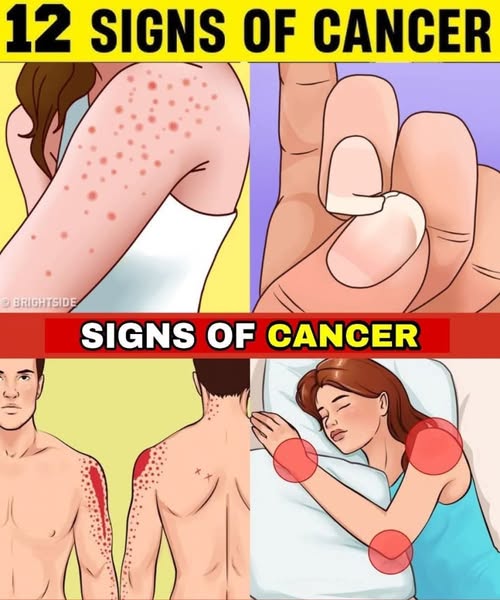
12 Early Warning Signs Your Body May Be Developing Cancer Cells
Cancer is a disease in which abnormal cells grow and divide uncontrollably. These cells may form tumors, invade nearby tissues, or spread to other parts of the body.
One important thing to understand is that cancer often develops without noticeable symptoms in its early stages. Some warning signs may appear when abnormal cells begin affecting normal body functions.
However, experiencing one or more of these symptoms does not automatically mean you have cancer. Many are also caused by common, non-cancerous conditions.
Recognizing persistent, unexplained changes in your body and seeking medical attention early can make a significant difference.
12 possible early warning signs of cancer
1. Unexplained weight loss

Losing weight without changing your diet, exercise routine, or lifestyle can sometimes be an early warning sign of cancer.
Why it happens:
-
Cancer can change the way the body uses energy.
-
Some cancers release substances that affect metabolism.
-
Tumors affecting the digestive system may interfere with appetite and nutrient absorption.
-
The body may use more energy than usual.
Possible associated cancers:
-
Pancreatic cancer
-
Stomach cancer
-
Lung cancer
-
Colorectal cancer
-
Esophageal cancer
When to worry: Unintentional, continuing weight loss, particularly around 10 pounds (4.5 kg) or more, deserves medical evaluation.
2. Persistent fatigue and unusual weakness

Feeling exhausted even after getting enough sleep may sometimes be associated with cancer.
Why it happens:
-
Cancer-related inflammation can affect energy levels.
-
Some cancers cause anemia (low red blood cells).
-
Internal bleeding may gradually reduce iron levels.
-
The immune system may use additional energy responding to disease.
Possible associated cancers:
-
Leukemia
-
Lymphoma
-
Colon cancer
-
Stomach cancer
Warning signs:
-
Constant tiredness without an obvious reason.
-
Weakness that interferes with everyday activities.
-
Feeling exhausted despite adequate sleep.
-
Fatigue accompanied by unexplained weight loss or fever.
Fatigue is very common and is more often caused by other conditions, including anemia, thyroid disorders, sleep problems, or stress.
3. Unusual lumps or swelling anywhere in the body

A new lump or thickening under the skin should not be ignored, particularly if it persists or grows.
Common areas to notice:
-
Neck
-
Armpits
-
Breasts
-
Groin
-
Testicles
-
Abdomen
Why it happens:
Some cancers develop as solid masses. Others, such as lymphoma, may cause lymph nodes to enlarge.
Possible associated cancers:
-
Breast cancer
-
Lymphoma
-
Testicular cancer
-
Soft-tissue sarcoma
-
Thyroid cancer
Warning signs:
-
A lump that gradually increases in size.
-
A firm or unusual swelling.
-
A lump that does not disappear.
-
A breast lump accompanied by nipple or skin changes.
Remember that swollen lymph nodes are frequently caused by infections.
4. Changes in bowel habits

Changes in your normal bowel movements can sometimes indicate problems in the digestive system.
Symptoms include:
-
Persistent constipation.
-
Ongoing diarrhea.
-
Narrower-than-usual stools.
-
Feeling that your bowel does not empty completely.
-
Blood in your stool.
-
Persistent abdominal discomfort.
Possible associated cancer:
– Colorectal cancer.
Why it happens:
A growth inside the colon or rectum may cause narrowing, irritation, or bleeding, affecting normal bowel movements.
When to worry: New bowel changes that continue for more than a couple of weeks, especially when accompanied by blood, pain, or weight loss, should be investigated.
5. Unusual bleeding or blood in bodily fluids

Unexplained bleeding is one of the important symptoms that deserves medical attention.
Watch for:
-
Blood in your urine.
-
Blood in your stool.
-
Coughing up blood.
-
Unusual vaginal bleeding.
-
Bleeding after menopause.
-
Unexplained bruising.
-
Repeated nosebleeds without an obvious cause.
Possible associated cancers:
-
Bladder cancer
-
Kidney cancer
-
Colorectal cancer
-
Lung cancer
-
Cervical cancer
-
Endometrial cancer
-
Leukemia
Why it happens:
Some tumors damage nearby blood vessels or tissues. Certain blood cancers can also affect normal blood cell production and clotting.
Do not assume that visible blood is harmless, even if it happens only once.
6. Persistent cough or changes in your voice

A cough that refuses to go away or a persistent change in your voice may indicate a respiratory or throat problem.
Warning signs:
-
Cough lasting several weeks.
-
Persistent hoarseness.
-
Coughing up blood.
-
Unexplained shortness of breath.
-
Chest discomfort.
-
Repeated respiratory symptoms.
Possible associated cancers:
-
Lung cancer
-
Laryngeal cancer
-
Thyroid cancer
-
Throat cancer
Why it happens:
A tumor may irritate the airways, affect lung function, or interfere with the vocal cords.
A persistent cough is much more commonly caused by infections, asthma, allergies, acid reflux, or smoking-related conditions.
7. Changes in the skin, moles, or unusual sores


Your skin can sometimes provide visible clues about abnormal cell growth.
Pay attention to:
-
A new mole appearing on your skin.
-
A mole changing its size, shape, or color.
-
A spot with irregular borders.
-
A sore that does not heal.
-
A skin growth that bleeds or becomes crusty.
-
Yellowing of the skin or eyes.
Possible associated cancers:
-
Melanoma
-
Basal cell carcinoma
-
Squamous cell carcinoma
-
Certain internal cancers associated with jaundice.
Remember the ABCDE rule for melanoma:
|
Letter |
What to look for |
|---|---|
|
A – Asymmetry |
Two halves look different |
|
B – Border |
Irregular or uneven edges |
|
C – Color |
Multiple or changing colors |
|
D – Diameter |
Often greater than 6 mm, although melanomas can be smaller |
|
E – Evolving |
Changes in appearance over time |
A changing mole or suspicious skin lesion should be examined by a healthcare professional.
8. Persistent abdominal pain or bloating

Frequent bloating or abdominal discomfort that does not improve may sometimes indicate an underlying digestive or reproductive health problem.
Symptoms include:
-
Frequent abdominal swelling.
-
Feeling full after eating small amounts.
-
Persistent stomach discomfort.
-
Unexplained abdominal pain.
-
Loss of appetite.
-
Nausea or vomiting.
Possible associated cancers:
-
Ovarian cancer
-
Pancreatic cancer
-
Stomach cancer
-
Liver cancer
-
Colorectal cancer
Why it happens:
Tumors may affect digestive organs, interfere with digestion, or cause fluid accumulation in the abdomen.
Persistent bloating, particularly with early fullness, pelvic pain, or urinary changes, deserves evaluation.
9. Difficulty swallowing or persistent indigestion

Repeated difficulty swallowing or indigestion that does not improve may indicate a problem in the esophagus or stomach.
Warning signs:
-
Food feeling stuck in your throat or chest.
-
Pain when swallowing.
-
Persistent heartburn.
-
Frequent unexplained nausea.
-
Repeated vomiting.
-
Feeling full unusually quickly.
Possible associated cancers:
-
Esophageal cancer
-
Stomach cancer
-
Throat cancer
Why it happens:
A growth can narrow the passage through which food travels or affect normal digestive function.
Occasional indigestion is common. However, progressive difficulty swallowing needs prompt medical assessment.
10. Repeated fever and excessive night sweats

Unexplained fever or drenching night sweats can sometimes be associated with certain cancers.
Symptoms include:
-
Repeated fever without an obvious infection.
-
Waking up with soaked clothes or bedsheets.
-
Excessive sweating during sleep.
-
Chills.
-
Unexplained weight loss.
Possible associated cancers:
-
Lymphoma
-
Leukemia
-
Certain other blood cancers.
Why it happens:
Some cancers can trigger inflammatory and immune-system responses that affect the body’s temperature regulation.
Infections, medications, hormonal changes, and other conditions are much more common causes.
11. Persistent pain without an obvious cause

Pain that continues, becomes progressively worse, or has no clear explanation should be investigated.
Pay attention to:
-
Persistent back pain.
-
Unexplained bone pain.
-
Frequent headaches.
-
Ongoing abdominal pain.
-
Pelvic discomfort.
-
Pain that repeatedly wakes you at night.
Possible associated cancers:
-
Bone cancer
-
Pancreatic cancer
-
Brain tumors
-
Colorectal cancer
-
Ovarian cancer
Why it happens:
As some tumors grow, they may press on nearby nerves, organs, or bones. Cancer can also cause inflammation and tissue damage.
Pain alone does not establish a cancer diagnosis. New or worsening persistent pain deserves medical evaluation.
12. Changes in urination or bladder habits

Changes in normal urination can sometimes be associated with urinary tract or reproductive system problems.
Warning signs:
-
Blood in the urine.
-
Frequent urination without an obvious explanation.
-
Difficulty starting urination.
-
Pain during urination.
-
Weak or interrupted urine flow.
-
Feeling that the bladder does not empty completely.
Possible associated cancers:
-
Bladder cancer
-
Kidney cancer
-
Prostate cancer
Why it happens:
Tumors may affect the kidneys, bladder, or prostate and interfere with normal urinary function.
Urinary infections, prostate enlargement, kidney stones, and diabetes are also common explanations.
Other important signs that should not be ignored
In addition to these 12 warning signs, watch for:
-
Persistent mouth sores or white or red patches in the mouth.
-
Unexplained changes in breast size or shape.
-
Nipple discharge or changes in nipple appearance.
-
Persistent headaches with new neurological symptoms.
-
Unexplained loss of appetite.
-
Yellowing of the skin or whites of the eyes.
These symptoms do not necessarily indicate cancer, but they deserve appropriate medical assessment.
How can you detect cancer early?


The most effective approach is not to wait until symptoms become severe.
Here are five important steps:
-
Get recommended cancer screenings. Depending on your age, sex, family history, and risk factors, these may include breast, cervical, colorectal, and lung cancer screening.
-
Know your family history. Some cancers have inherited genetic risk factors.
-
Pay attention to unusual changes. Keep track of new or persistent symptoms.
-
Avoid tobacco. Smoking increases the risk of several types of cancer.
-
Maintain a healthy lifestyle. Eat a balanced diet, exercise regularly, limit alcohol, and protect your skin from excessive UV exposure.
Importantly, routine blood tests or tumor-marker tests cannot reliably detect every cancer. Screening tests are specific to particular cancers and are not recommended indiscriminately for everyone.
When should you see a doctor?
Do not delay medical evaluation
Arrange a medical appointment if you experience:
-
Unexplained symptoms lasting several weeks.
-
A growing lump or unusual swelling.
-
Persistent unexplained weight loss.
-
Unusual bleeding.
-
A changing mole or non-healing sore.
-
Persistent digestive, respiratory, or urinary problems.
Seek urgent medical attention for severe symptoms such as coughing up significant blood, heavy bleeding, severe abdominal pain, or difficulty breathing.
The National Cancer Institute advises getting persistent symptoms checked rather than waiting for pain or other severe symptoms to develop.
Important facts: Does having these symptoms mean you have cancer?
No. Most of these symptoms are caused by conditions other than cancer.
For example:
|
Symptom |
Other possible causes |
|---|---|
|
Weight loss |
Thyroid problems, diabetes, stress |
|
Fatigue |
Anemia, poor sleep, infections |
|
Lumps |
Infections, cysts, benign growths |
|
Abdominal pain |
Gastritis, IBS, ulcers |
|
Persistent cough |
Asthma, allergies, infections |
|
Night sweats |
Hormonal changes, infections |
|
Blood in urine |
Kidney stones, urinary infections |
|
Skin changes |
Eczema, infections, benign moles |
Only appropriate medical evaluation and diagnostic testing can determine the cause.
Final takeaway
Cancer does not always produce early warning signs. Some cancers develop silently, which is why recommended screening is important even when you feel healthy.
The most important principle is:
Know what is normal for your body. Do not ignore new, unexplained, persistent, or worsening changes. Early medical evaluation can help identify cancer and many other treatable conditions.
Trusted medical resources
This information is educational and is not a substitute for a medical examination or diagnosis.