ChatGPT said:
If you mean 10 warning signs that can be associated with liver problems, here is a detailed, easy-to-understand guide. These symptoms can have many causes, so having one does not necessarily mean you have liver disease.
10 Signs of Liver Problems
- Yellow skin or eyes (jaundice)
A yellowish color of the skin or whites of the eyes can occur when bilirubin builds up in the blood. It can happen with hepatitis, bile-duct blockage, cirrhosis, and other conditions. New or significant jaundice should be medically evaluated. - Dark urine
Urine that becomes unusually dark—especially when accompanied by jaundice or pale stools—can occur when bilirubin is elevated. - Pale or clay-colored stools
Reduced bile reaching the intestine can make stools unusually pale. This may occur with problems affecting the liver, gallbladder, or bile ducts. - Persistent fatigue or weakness
Liver disease can cause ongoing tiredness, reduced energy, and a general feeling of being unwell. Fatigue is very nonspecific, however, and is much more commonly caused by other conditions. - Loss of appetite, nausea, or vomiting
Liver inflammation or impaired liver function may cause reduced appetite, nausea, or vomiting. These symptoms alone aren’t enough to identify liver disease. - Pain or discomfort in the upper-right abdomen
The liver is located in the upper-right portion of the abdomen. Liver inflammation or enlargement can sometimes cause discomfort or a feeling of fullness there. - Swelling of the abdomen (ascites)
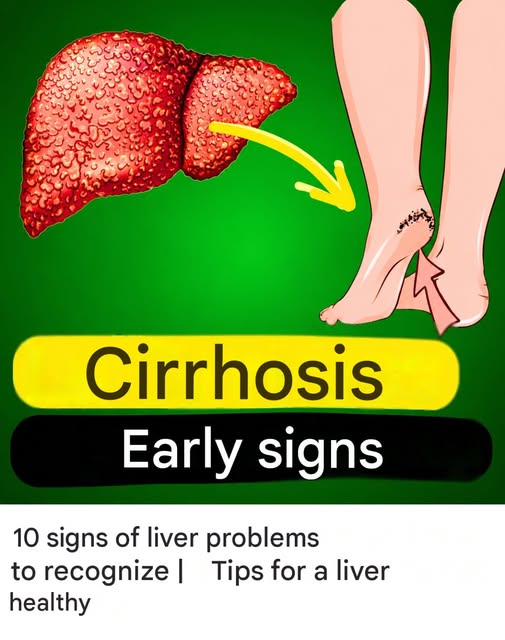
Advanced liver disease can cause fluid to accumulate in the abdomen, producing noticeable abdominal enlargement or a feeling of tightness. - Swelling in the legs or ankles
Advanced liver disease can contribute to fluid retention and swelling (edema), particularly in the lower legs and ankles. - Easy bruising or bleeding
The liver produces many proteins involved in blood clotting. Significant liver dysfunction can therefore contribute to easy bruising or prolonged bleeding. - Confusion, sleepiness, or changes in concentration
In advanced liver disease, toxins that the liver normally helps process can affect brain function. This is called hepatic encephalopathy and can cause confusion, personality changes, unusual sleepiness, or difficulty concentrating.
Other possible warning signs
Depending on the underlying condition, people may also experience itchy skin, unexplained weight loss, muscle loss, spider-like blood vessels on the skin, or changes in the palms. Some people with liver disease have no symptoms at all, particularly during the early stages.
When to Seek Medical Attention
Seek urgent medical care if you develop:
- New severe confusion, extreme sleepiness, or difficulty staying awake
- Vomiting blood or passing black, tarry stools
- Severe abdominal swelling or severe abdominal pain
- New jaundice accompanied by significant illness
- Sudden deterioration in someone known to have liver disease
These can indicate serious complications.
Tips for a Healthy Liver
1. Maintain a healthy weight
Excess body weight, particularly around the abdomen, increases the risk of metabolic dysfunction-associated steatotic liver disease (MASLD), commonly called fatty liver disease. Gradual weight loss when appropriate can substantially improve liver fat and metabolic health.
2. Limit or avoid alcohol
Alcohol can directly damage liver cells and increase the risk of fatty liver, alcoholic hepatitis, fibrosis, and cirrhosis. If you already have liver disease, ask your clinician whether you should avoid alcohol completely.
3. Eat a balanced diet
Emphasize:
- Vegetables and fruits
- Whole grains
- Beans and other legumes
- Nuts and seeds
- Fish and other lean protein sources
- Unsaturated fats such as olive oil
Try to limit excessive added sugar, highly processed foods, and large amounts of saturated fat.
4. Exercise regularly
Regular physical activity helps control body weight, blood sugar, cholesterol, and liver fat. A practical goal for many adults is at least 150 minutes of moderate-intensity activity per week, plus muscle-strengthening activities.
5. Be careful with medications and supplements
Some medications and herbal products can injure the liver, particularly when taken at excessive doses or combined with other substances. “Natural” does not automatically mean liver-safe.
Don’t exceed recommended doses of medications such as acetaminophen (paracetamol), and check with a healthcare professional before combining medications or taking concentrated herbal supplements.
6. Prevent hepatitis
Depending on your circumstances, vaccination against hepatitis A and hepatitis B can help prevent viral liver infections.
To reduce hepatitis B and C transmission risk, avoid sharing needles or other equipment that can contain blood and use appropriate precautions for blood exposure.
7. Don’t share personal items that may contain blood
Razors, toothbrushes, nail clippers, and similar items can potentially carry blood. Avoid sharing them, particularly when hepatitis infection is a concern.
8. Have appropriate health screenings
People with obesity, diabetes, high cholesterol, heavy alcohol use, a family history of liver disease, or certain medication exposures may have a higher risk of liver disease.
Routine medical evaluation can include blood tests such as ALT, AST, bilirubin, alkaline phosphatase, albumin, and platelet count, depending on the situation. Your clinician may recommend imaging or additional testing when appropriate.
9. Manage diabetes and cholesterol
Insulin resistance, type 2 diabetes, high triglycerides, and obesity are strongly associated with fatty liver disease. Keeping blood sugar and blood lipids under control can help protect the liver.
10. Avoid “liver detox” products
Your liver already performs detoxification functions continuously. Commercial detox teas, cleanses, and supplements aren’t a substitute for treating an underlying liver condition, and some supplements can actually cause liver injury.
An Important Point: Liver Disease Can Be Silent
One of the most important things to understand is that symptoms are not a reliable early-warning system for liver disease. Conditions such as fatty liver, hepatitis, and early fibrosis can exist with few or no noticeable symptoms.
If you have risk factors or persistent symptoms, a healthcare professional can determine whether liver blood tests, hepatitis testing, ultrasound, or other investigations are appropriate.
If you tell me your age, symptoms (if any), alcohol use, medications/supplements, and whether you have conditions such as diabetes or high cholesterol, I can also explain which liver problems might be relevant and what tests doctors commonly use to check them.