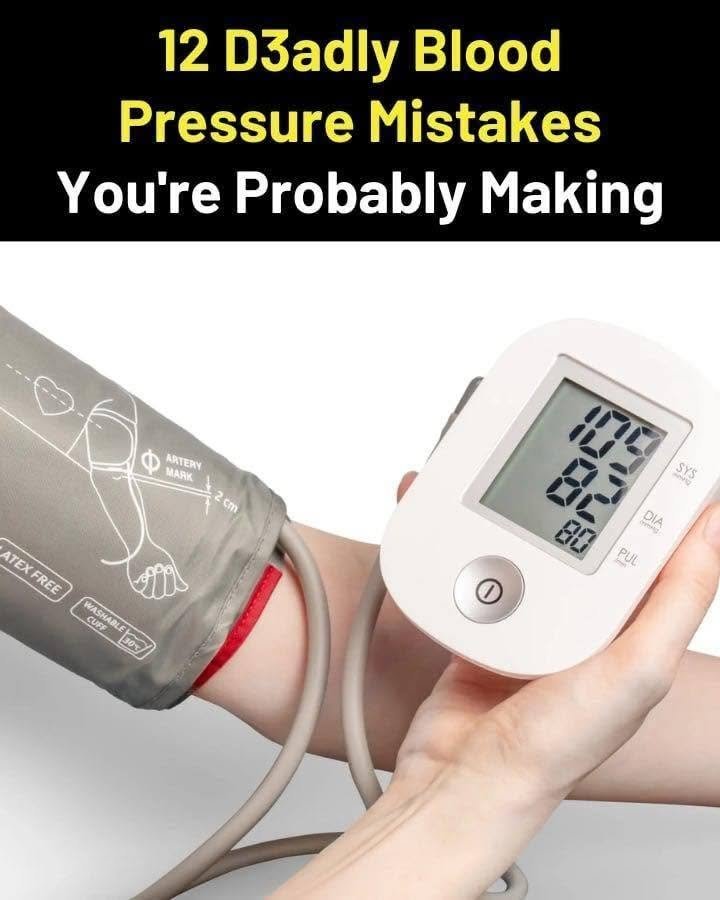
It looks like you want detailed information about “12 deadly blood pressure mistakes you’re probably making.” Here is a detailed overview. (Note: “deadly” is a strong word—these mistakes can increase health risks if they lead to uncontrolled high blood pressure, but they do not mean a person will necessarily suffer harm.)
12 Blood Pressure Mistakes You May Be Making
1. Ignoring high blood pressure because you feel fine
High blood pressure (hypertension) often has no noticeable symptoms, which is why it is sometimes called a “silent” condition. A person can feel healthy while high pressure is gradually affecting the heart, blood vessels, kidneys, brain, and eyes.
Better approach: Check your blood pressure regularly and follow medical advice even when you feel normal.
2. Measuring blood pressure incorrectly
A wrong measurement can give a false reading.
Common mistakes:
- Checking immediately after exercise, caffeine, smoking, or stress
- Talking during the measurement
- Using the wrong cuff size
- Sitting with legs crossed
- Not resting before measuring
Better approach:
- Sit quietly for about 5 minutes first
- Keep your back supported and feet flat on the floor
- Place your arm at heart level
- Use a properly fitting cuff
3. Taking medication inconsistently
Skipping blood pressure medicine because readings improve is a common mistake.
Why it matters:
- Medicines usually control blood pressure; they may not “cure” the underlying tendency.
- Stopping suddenly can cause dangerous increases in blood pressure for some people.
Better approach: Take medication exactly as prescribed and discuss side effects with your healthcare provider.
4. Eating too much salt
Excess sodium can cause the body to retain water, increasing blood volume and pressure.
Sources of hidden salt:
- Processed foods
- Packaged snacks
- Fast food
- Pickles and salty sauces
- Some canned foods
Better approach: Read food labels and increase fresh foods such as vegetables, fruits, and unprocessed proteins.
5. Not eating enough potassium-rich foods
Potassium helps balance sodium levels and supports healthy blood vessel function.
Foods containing potassium:
- Bananas
- Beans
- Leafy greens
- Potatoes
- Yogurt
- Some fish
Important: People with kidney disease or certain medications may need medical advice before increasing potassium.
6. Being physically inactive
A sedentary lifestyle can contribute to:
- Weight gain
- Stiffer blood vessels
- Higher blood pressure
Better approach: Regular activity such as brisk walking, cycling, swimming, or other moderate exercise can help improve blood pressure.
7. Carrying excess body weight
Extra weight can make the heart work harder and may increase pressure on artery walls.
Even modest weight reduction can improve blood pressure for many people.
8. Drinking too much alcohol
Heavy alcohol intake can raise blood pressure and reduce the effectiveness of some treatments.
Better approach: Follow recommended limits or avoid alcohol if advised by a healthcare professional.
9. Smoking or using nicotine products
Nicotine temporarily raises blood pressure and damages blood vessels over time.
Smoking also increases the risk of:
- Heart attack
- Stroke
- Peripheral artery disease
10. Ignoring stress and poor sleep
Chronic stress and inadequate sleep may contribute to higher blood pressure.
Possible contributors:
- Long work hours
- Anxiety
- Sleep disorders such as sleep apnea
Better approach:
- Maintain a regular sleep schedule
- Practice relaxation techniques
- Seek help for persistent stress or sleep problems
11. Relying only on home remedies
Some people replace prescribed treatment with supplements, herbs, or internet remedies.
Problems:
- Some products do not work
- Some interact with medicines
- Some may affect blood pressure unpredictably
Better approach: Discuss supplements or alternative treatments with a healthcare professional.
12. Not treating related health conditions
Blood pressure control is harder when other conditions are ignored.
Important factors include:
- Diabetes
- High cholesterol
- Kidney disease
- Sleep apnea
- Thyroid disorders
Managing these conditions can improve overall cardiovascular health.
Warning Signs That Need Urgent Medical Attention
Seek urgent care if very high blood pressure occurs with symptoms such as:
- Chest pain
- Shortness of breath
- Weakness or numbness on one side of the body
- Confusion
- Severe headache
- Vision changes
Key Takeaway
The biggest blood pressure mistakes are usually not checking regularly, measuring incorrectly, ignoring lifestyle factors, and stopping treatment without medical guidance. Small consistent changes—healthy eating, movement, medication adherence, and monitoring—can make a major difference.