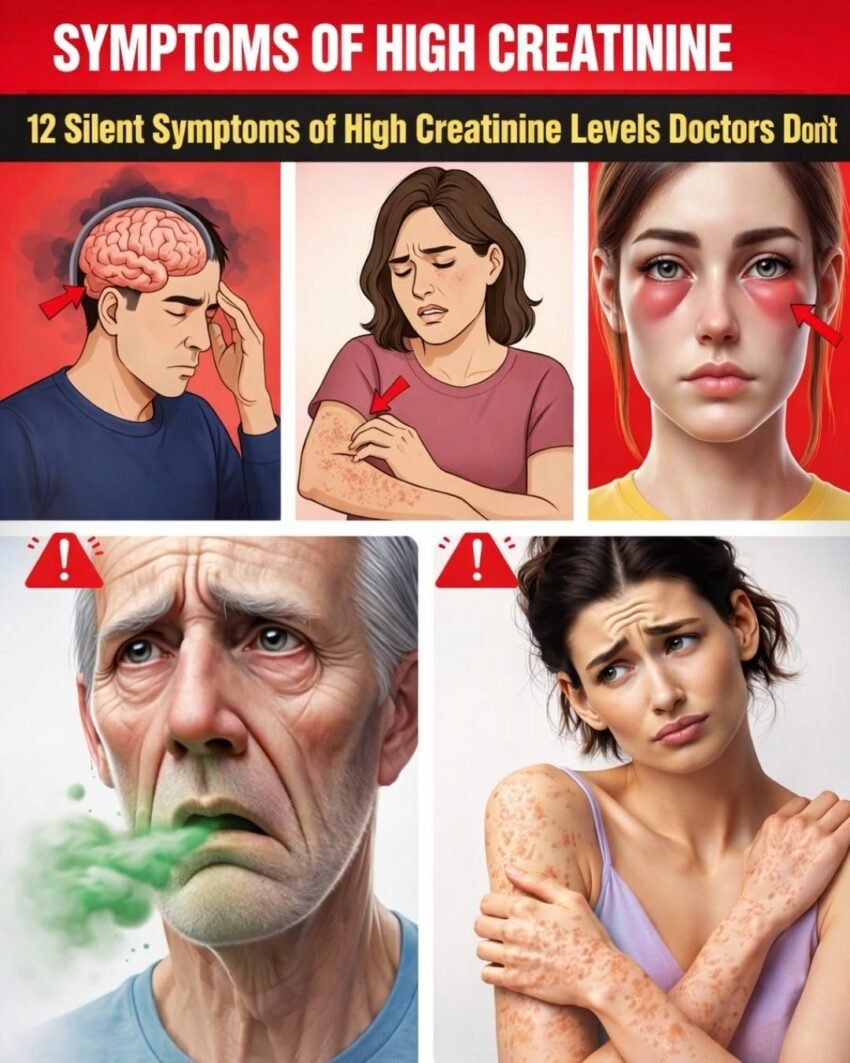
Here are 12 symptoms that can occur as kidney function worsens, along with why they happen.
1. Persistent Fatigue and Weakness
One of the earliest symptoms of declining kidney function is feeling unusually tired.
Why it happens:
- Waste products build up in the blood.
- Kidneys produce less erythropoietin, a hormone that helps make red blood cells.
- This can lead to anemia, reducing oxygen delivery throughout the body.
Signs
- Low energy
- Difficulty concentrating
- Weak muscles
- Feeling exhausted after minor activity
2. Swelling (Edema)
Damaged kidneys cannot remove excess sodium and water effectively.
Common locations
- Ankles
- Feet
- Hands
- Face
- Around the eyes
Swelling may worsen later in the day or after standing for long periods.
3. Changes in Urination
Urinary changes are often one of the most important warning signs.
These may include:
- Urinating more frequently
- Urinating less than usual
- Foamy urine (protein leakage)
- Dark-colored urine
- Blood in urine
- Needing to urinate several times during the night
4. Persistent Itching
Kidney disease can cause severe itching (pruritus).
Why?
- Waste products accumulate.
- Mineral imbalances develop.
- Dry skin becomes more common.
The itching may affect the whole body and often becomes worse at night.
5. Nausea and Vomiting
As toxins accumulate, they can irritate the digestive system.
Symptoms include:
- Morning nausea
- Vomiting
- Loss of appetite
- Feeling full quickly
These symptoms usually become more noticeable in advanced kidney disease.
6. Metallic Taste and Bad Breath
Many people describe:
- A metallic taste in the mouth
- Food tasting different
- Ammonia-like breath (“uremic breath”)
This happens because waste products build up in the bloodstream.
7. Shortness of Breath
Difficulty breathing may occur because:
- Fluid builds up in the lungs.
- Anemia reduces oxygen-carrying capacity.
- Heart complications develop.
Seek urgent medical care if shortness of breath is sudden, severe, or accompanied by chest pain.
8. Muscle Cramps
Kidney disease may disrupt the balance of:
- Calcium
- Potassium
- Magnesium
- Sodium
This imbalance can cause:
- Leg cramps
- Muscle twitching
- Painful nighttime cramps
9. High Blood Pressure
High blood pressure is both:
- A cause of kidney disease
- A result of kidney disease
Damaged kidneys regulate blood pressure less effectively, leading to persistent hypertension.
10. Trouble Sleeping
Poor kidney function can contribute to:
- Restless legs syndrome
- Frequent nighttime urination
- Sleep apnea
- Insomnia
Many people with chronic kidney disease report poor-quality sleep.
11. Difficulty Concentrating or Confusion
Waste buildup can affect brain function.
Symptoms include:
- Brain fog
- Poor memory
- Trouble focusing
- Confusion (especially in advanced disease)
These symptoms warrant medical evaluation, particularly if they are new or worsening.
12. Loss of Appetite and Unintentional Weight Loss
As kidney disease progresses:
- Food may taste unpleasant.
- Nausea becomes more common.
- Appetite decreases.
Over time this can lead to:
- Weight loss
- Muscle wasting
- Malnutrition
Symptoms That Require Immediate Medical Attention
Seek emergency care if you experience:
- Severe shortness of breath
- Chest pain
- Confusion or difficulty waking up
- No urine output or a dramatic drop in urination
- Blood in the urine with severe pain
- Severe swelling with breathing difficulty
Causes of High Creatinine
High creatinine can result from:
- Chronic kidney disease
- Acute kidney injury
- Dehydration
- Uncontrolled diabetes
- High blood pressure
- Urinary tract blockage (such as kidney stones or an enlarged prostate)
- Certain medications (for example, some NSAIDs like ibuprofen, certain antibiotics, and some blood pressure medicines)
- Intense exercise
- Large muscle mass or muscle injury
How Doctors Diagnose Kidney Problems
Common tests include:
- Serum creatinine
- eGFR (estimated glomerular filtration rate)
- Blood urea nitrogen (BUN)
- Urinalysis
- Urine albumin-to-creatinine ratio (ACR)
- Kidney ultrasound (if needed)
These tests together provide a better picture of kidney health than creatinine alone.
How to Help Protect Your Kidneys
Depending on the underlying cause, your healthcare provider may recommend:
- Staying well hydrated (unless you have been told to restrict fluids)
- Managing blood pressure and diabetes
- Avoiding unnecessary NSAID pain relievers
- Limiting excess salt
- Eating a balanced diet; some people with kidney disease may need to adjust protein, potassium, phosphorus, or sodium intake under medical guidance
- Exercising regularly
- Avoiding smoking
- Keeping follow-up appointments and blood tests
Important Note
A high creatinine level is not a disease by itself—it is a laboratory finding that can signal reduced kidney function or another condition. Many people with mildly elevated creatinine have no symptoms, while others with advanced kidney disease can develop the symptoms described above. If your creatinine is elevated, your doctor will usually interpret it together with your eGFR, urine tests, medical history, medications, and physical examination to determine the cause and appropriate treatment. If you have concerns about your kidney health or notice any of these symptoms, arrange a medical evaluation rather than relying on symptoms alone.