3 Unique Staircase Features You’ll Find in Historic Homes (Detailed Information)
Historic homes often contain staircases that are much more than simple ways to move between floors. They were designed as architectural focal points, showing craftsmanship, wealth, artistic style, and the building traditions of their time. Many historic staircases include unique features that are rarely found in modern homes.
1. Grand Newel Posts and Decorative Balustrades
What They Are
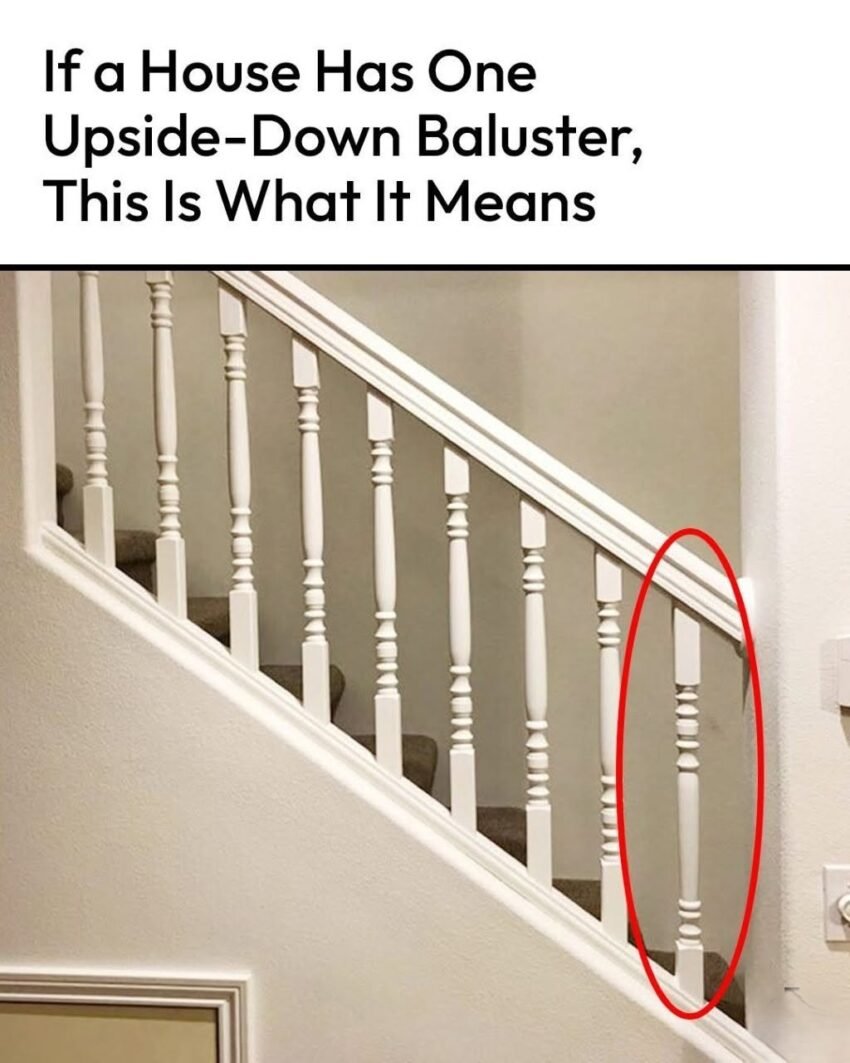
A newel post is the large vertical post found at the beginning, end, or turning points of a staircase. In historic homes, newel posts were often highly decorative and served as a visual centerpiece. The balustrade is the complete railing system, including the handrail, balusters (small vertical supports), and newel posts.
Historical Importance
During the 17th to early 20th centuries, staircases were designed to make a strong first impression. In wealthy homes, the staircase was often located near the entrance hall so guests would immediately see the quality of the craftsmanship.
Common Decorative Details
Historic newel posts and balustrades may include:
- Carved wood designs: Floral patterns, leaves, scrolls, and geometric shapes
- Turned posts: Rounded shapes created on a wood lathe, common in Victorian homes
- Ornamental metalwork: Wrought iron or cast iron railings used in grand residences
- Rich wood finishes: Oak, mahogany, walnut, and cherry were commonly used
Architectural Styles Where Found
- Victorian homes: Detailed carvings, curved staircases, and elaborate railings
- Georgian homes: Balanced, symmetrical designs with elegant proportions
- Colonial homes: Simpler but carefully crafted wooden stair components
Why It Matters Today
Original newel posts and balustrades are valuable historic features. Restoring them can preserve a home’s character and increase architectural authenticity.
2. Spiral and Curved Staircases
What They Are
Spiral and curved staircases are designed with flowing shapes rather than straight steps. A spiral staircase rotates around a central column, while a curved staircase follows a smooth arc without a central support.
Historical Importance
Curved staircases were symbols of elegance and craftsmanship. They required advanced construction skills because each step, railing component, and supporting structure had to be carefully shaped.
In large historic mansions, curved staircases were often placed in entrance halls as a dramatic architectural feature.
Unique Characteristics
Historic curved staircases often feature:
- Sweeping handrails: Long continuous rails following the curve of the stairs
- Custom-made steps: Each tread may have a different shape and size
- Decorative iron supports: Especially in Renaissance and Victorian-inspired homes
- Open stair designs: Allowing light to flow through the space
Architectural Styles Where Found
- Victorian mansions: Large curved staircases with detailed woodwork
- Art Nouveau homes: Organic curves inspired by nature
- Beaux-Arts residences: Grand staircases designed for impressive interiors
Engineering and Craftsmanship
Building curved stairs was difficult because craftsmen had to calculate:
- Step height and depth for safety
- Structural strength
- Smooth railing curves
- Proper weight distribution
Many historic curved staircases were handcrafted by skilled artisans, making each one unique.
3. Decorative Stair Risers and Hidden Storage Features
Decorative Stair Risers
What They Are
The riser is the vertical part of each stair step. In historic homes, risers were often decorated instead of left plain.
Common Decorative Elements
Historic stair risers may include:
- Painted designs: Floral patterns, geometric shapes, or murals
- Hand-painted tiles: Common in Mediterranean and Victorian-style homes
- Carved wood panels: Adding texture and detail
- Stenciled patterns: Popular in 18th and 19th-century interiors
Cultural Influence
Decorated risers often reflected the homeowner’s taste and regional traditions. For example:
- European homes frequently used carved wood and painted motifs
- Mediterranean homes often featured colorful tiles
- Victorian homes used intricate patterns and decorative finishes
Hidden Storage Under Staircases
What It Is
The space beneath stairs was often creatively used in historic homes. Instead of being wasted space, builders created:
- Small closets
- Cabinets
- Drawers
- Wine storage areas
- Servants’ storage spaces
Historical Purpose
In older homes, every area had a practical function. Under-stair storage helped maximize limited space, especially in townhouses and smaller historic properties.
Unique Examples
Some historic homes include:
- Hidden doors beneath staircases
- Built-in wooden cupboards
- Secret compartments for valuables
- Small reading or work areas
Why These Features Are Valuable Today
Original stair details help tell the story of a home’s history. Modern renovations often remove these elements, so preserved examples are highly valued by historians and restoration experts.
Conclusion
Historic staircases are examples of architecture, craftsmanship, and cultural history combined. Features such as ornate newel posts and balustrades, curved or spiral designs, and decorative risers with clever storage solutions reveal how earlier builders focused on both beauty and function. Preserving these staircase details helps maintain the identity and heritage of historic homes for future generations.