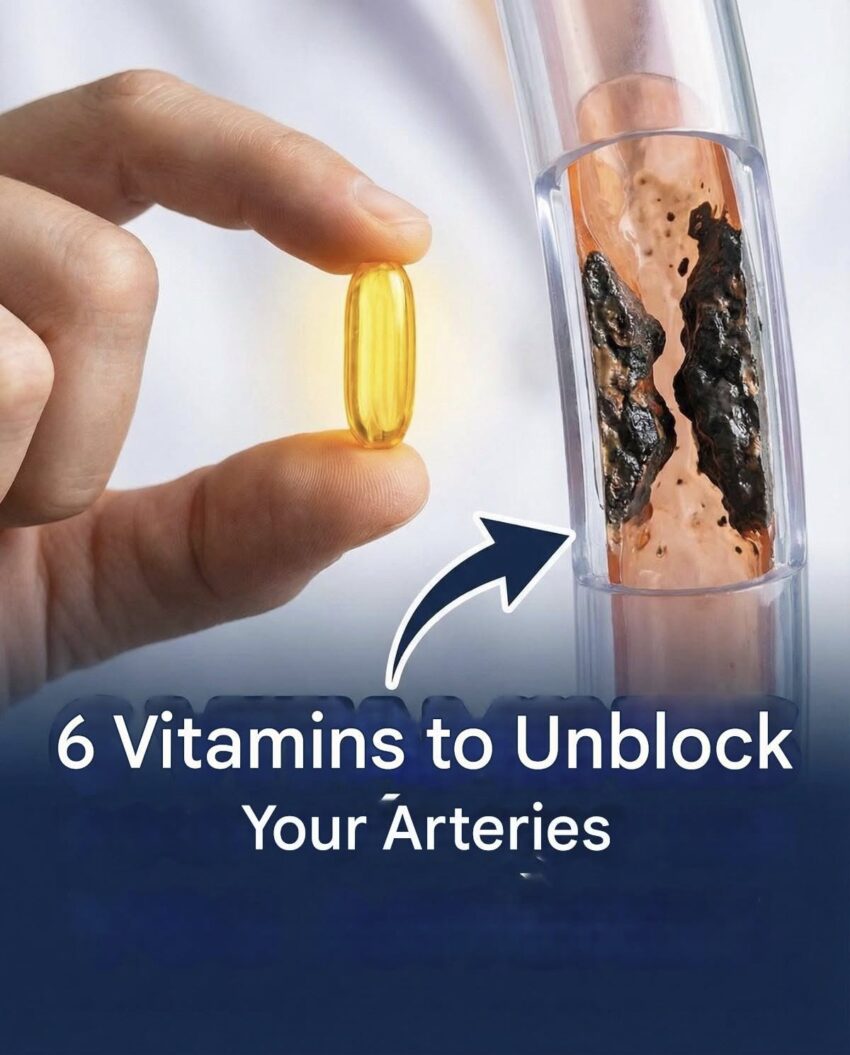
6 Vitamins to “Unblock” Your Arteries: Detailed Guide
Healthy arteries are essential for delivering oxygen-rich blood to your heart, brain, kidneys, and other organs. Certain vitamins support blood vessel function, help maintain normal cholesterol metabolism, and protect cells from damage. However, no vitamin has been proven to reliably remove existing arterial plaque or physically unblock clogged arteries.
Arterial plaque, called atherosclerosis, develops when cholesterol, inflammatory cells, calcium, and other substances accumulate in artery walls. Over time, this can narrow the arteries and increase the risk of heart attack and stroke.
The goal is to support healthy arteries, slow the progression of plaque, and reduce cardiovascular risk through evidence-based treatment, nutrition, and lifestyle changes.
The 6 vitamins to know about for artery health

1. Vitamin C
Supports blood vessel structure and antioxidant defenses
Vitamin C is needed to make collagen, a protein that helps maintain the structure of blood vessel walls. It also acts as an antioxidant, helping protect cells from oxidative damage.
-
Food sources: Oranges, kiwi, strawberries, bell peppers, broccoli and tomatoes.
-
Potential benefit: Getting enough vitamin C supports normal blood vessel function, especially if your diet is deficient.
-
What research says: Vitamin C supplements have not been shown reliably to prevent heart attacks or reverse arterial plaque. Getting vitamin C from food is preferable for most people.
Health Professional Fact Sheet+1

2. Vitamin D
Important for bone health and normal body functions
Vitamin D helps the body absorb calcium and supports muscle, immune and other physiological functions. Low vitamin D levels have been associated with cardiovascular problems in observational studies.
-
Food sources: Fatty fish, egg yolks and vitamin-D-fortified milk or plant beverages.
-
Potential benefit: Correcting a deficiency is important for general health.
-
What research says: Clinical trials have not shown that taking vitamin D supplements reliably prevents heart attacks, strokes or atherosclerosis. Do not take high doses in an attempt to clear arteries.
Health Professional Fact Sheet

3. Vitamin E
An antioxidant that protects cell membranes
Vitamin E helps protect cells from oxidative damage. Because oxidative processes are involved in atherosclerosis, researchers have investigated whether vitamin E supplements can protect the heart.
-
Food sources: Almonds, sunflower seeds, hazelnuts, vegetable oils and spinach.
-
Potential benefit: Adequate dietary vitamin E supports normal cell function.
-
What research says: Vitamin E supplements have not consistently reduced cardiovascular events. High doses can increase bleeding risk, particularly when combined with anticoagulants or other medicines that affect clotting.
NCBI Bookshelf+1

4. Vitamin B9 (folate)
Helps form red blood cells and process homocysteine
Folate is necessary for DNA production and normal red blood cell formation. Along with vitamins B6 and B12, it helps the body process homocysteine, an amino acid found in the blood.
-
Food sources: Leafy greens, lentils, beans, asparagus, avocado and fortified grains.
-
Potential benefit: Correcting folate deficiency supports normal blood formation and metabolism.
-
What research says: Lowering homocysteine with B vitamins does not automatically translate into fewer heart attacks or less plaque. The benefit depends on the individual and the clinical circumstances.
-
Caution: High-dose folic acid can mask the blood abnormalities of vitamin B12 deficiency while nerve damage continues.
NCBI Bookshelf+1

5. Vitamin B12
Supports nerves, red blood cells and normal metabolism
Vitamin B12 works with folate in important metabolic processes and helps maintain healthy nerve cells and red blood cells.
-
Food sources: Fish, shellfish, meat, eggs, dairy products and fortified foods.
-
Potential benefit: Treating B12 deficiency can prevent or address anemia and neurological complications.
-
What research says: Although B12 helps regulate homocysteine, taking extra B12 has not been established as a way to remove arterial plaque.
-
Who may need special attention: Vegans, older adults, and people with certain digestive conditions or who take medicines that interfere with B12 absorption may be at higher risk of deficiency.
NCBI Bookshelf+1

6. Vitamin B6
Supports protein metabolism and normal nervous system function
Vitamin B6 is involved in numerous enzyme reactions, including those needed for protein metabolism and the formation of neurotransmitters. It also contributes to homocysteine metabolism.
-
Food sources: Chickpeas, potatoes, bananas, poultry, fish and fortified cereals.
-
Potential benefit: Adequate B6 intake supports normal metabolism and blood cell function.
-
What research says: There is no convincing evidence that taking extra B6 clears clogged arteries or independently prevents heart attacks.
-
Caution: Excessive supplemental B6 taken over time can cause nerve damage, including numbness and tingling.
NCBI Bookshelf+1
Can these six vitamins actually clear clogged arteries?
No—not on their own. They are essential nutrients, but correcting a deficiency is different from treating plaque buildup. Evidence does not support using vitamin supplements as a substitute for proven cardiovascular treatments.
What actually helps reduce arterial plaque?
The most effective approach focuses on lowering LDL cholesterol, controlling blood pressure and diabetes, and preventing blood clots when medically indicated.

1. Eat a heart-healthy diet
Choose vegetables, fruits, beans, oats, whole grains, nuts, olive oil and fish. Replace butter, fatty meats and other sources of saturated fat with unsaturated fats. Soluble fiber from oats, beans and barley can help lower LDL cholesterol.

2. Exercise regularly
If your clinician says it is safe, aim for at least 150 minutes of moderate physical activity per week. Walking is a good starting point for many people. If you have chest pain or known severe artery narrowing, get medical advice before starting strenuous exercise.

3. Control LDL cholesterol
Statins and, when appropriate, other cholesterol-lowering medicines can lower LDL and help stabilize plaque. In selected people, intensive risk-factor treatment can even lead to some plaque regression over time.

4. Monitor blood pressure and blood sugar
High blood pressure and diabetes can accelerate artery damage. Regular checkups and appropriate treatment help reduce the risk of heart attack and stroke.
A practical daily eating plan for artery health
|
Meal |
Example |
|---|---|
|
Breakfast |
Oatmeal, berries and a small handful of walnuts |
|
Lunch |
Lentil or bean soup, leafy greens and whole-grain bread |
|
Snack |
An orange, kiwi or a handful of unsalted nuts |
|
Dinner |
Grilled fish or beans, vegetables and brown rice |
|
Drinks |
Water; choose unsweetened beverages most often |
This type of eating pattern supplies vitamins C, D (depending on food choices and fortification), E, B9, B12 and B6, along with fiber and other beneficial nutrients. It is not a substitute for prescribed treatment.
Important safety warnings
-
Do not start high-dose vitamin supplements solely to treat artery blockages.
-
Do not stop prescribed statins, blood pressure medicines or blood thinners in favor of vitamins.
-
Do not start daily aspirin on your own; it can cause serious bleeding, and whether it is appropriate depends on your medical history.
-
If you have new chest pressure or pain, severe shortness of breath, sudden weakness on one side, or difficulty speaking, call emergency services immediately. Do not wait for a vitamin or supplement to work.
NHLBI, NIH+1
For further reading, see the NIH’s guide to atherosclerosis treatment and the American Heart Association’s information on vitamins and dietary supplements .
One important question: Are you looking to prevent artery blockages, or have you already been diagnosed with blocked heart arteries, high cholesterol, or atherosclerosis? The most useful advice depends on which situation applies to you.