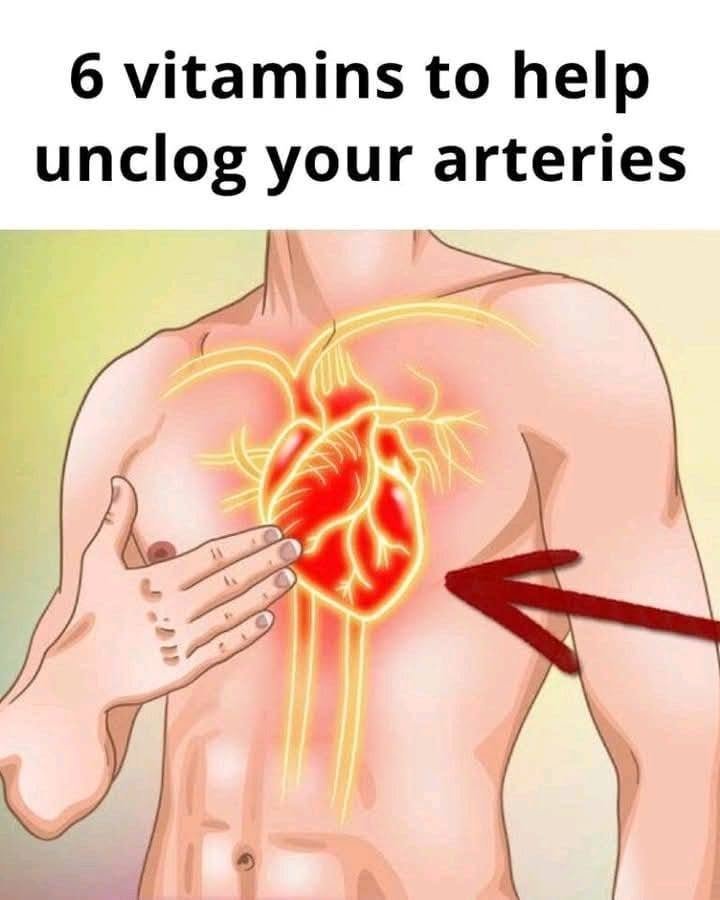
However, some vitamins and nutrients can support heart and blood vessel health, help reduce risk factors, and support normal blood vessel function.
1. Vitamin D
Role in heart health:
- Helps regulate inflammation and immune function.
- Low vitamin D levels have been associated in studies with higher rates of cardiovascular risk factors (though taking supplements does not always prevent heart disease).
Sources:
- Sun exposure
- Fatty fish (salmon, sardines)
- Egg yolks
- Fortified milk and foods
Supplement note:
- Vitamin D supplements are most useful when someone is deficient. Excessive doses can cause problems.
2. Vitamin B12
Role in arteries:
- Helps maintain healthy nerves and red blood cells.
- Works with folate and vitamin B6 to control homocysteine, an amino acid linked with blood vessel damage when levels are high.
Sources:
- Meat and poultry
- Fish
- Eggs
- Dairy products
- Fortified foods
Who may need attention:
- Older adults
- People with absorption problems
- Vegans (unless using fortified foods or supplements)
3. Vitamin B6
Role in cardiovascular health:
- Helps process homocysteine.
- Supports normal metabolism and nerve function.
Sources:
- Chicken
- Fish
- Potatoes
- Bananas
- Chickpeas
- Nuts
Caution:
- Very high doses of B6 supplements over long periods can damage nerves.
4. Folate (Vitamin B9)
Role in heart health:
- Helps convert homocysteine into other substances.
- Important for normal cell growth and blood formation.
Sources:
- Leafy green vegetables
- Beans and lentils
- Citrus fruits
- Fortified grains
Note:
- Folate is beneficial when intake is inadequate; it is not a plaque-removing vitamin.
5. Vitamin C
Role in blood vessels:
- Acts as an antioxidant, helping protect cells from oxidative stress.
- Supports collagen production, which helps maintain healthy artery walls.
Sources:
- Oranges
- Lemons
- Guava
- Bell peppers
- Broccoli
Supplement note:
- Food sources are usually preferred. Very high doses may cause kidney stones in some people.
6. Vitamin E
Role in circulation:
- Acts as an antioxidant that protects fats in cells from oxidation.
- Early research suggested possible heart benefits, but large studies have not shown that vitamin E supplements reliably prevent heart attacks.
Sources:
- Almonds
- Sunflower seeds
- Vegetable oils
- Spinach
Caution:
- High-dose vitamin E supplements may increase bleeding risk, especially with blood-thinning medicines.
More Important Than Vitamins for “Unclogging” Arteries
Evidence-based ways to slow plaque buildup include:
1. Lower LDL (“bad”) cholesterol
- Eat more soluble fiber (oats, beans, psyllium)
- Reduce trans fats and excessive saturated fats
- Use medications like statins if prescribed
2. Follow a heart-healthy diet
- Vegetables and fruits daily
- Whole grains
- Fish and nuts
- Less processed food and added sugar
3. Exercise regularly
- Aim for about 150 minutes/week of moderate activity if medically appropriate.
4. Control risk factors
- Blood pressure
- Diabetes
- Smoking
- Weight
- Sleep quality
5. Consider omega-3 fatty acids
Omega-3s from fish may help lower triglycerides and support heart health, though they do not “clean” arteries.
Warning signs of possible artery blockage
Seek medical care urgently for:
- Chest pressure or pain
- Pain spreading to the arm, jaw, or back
- Shortness of breath
- Sudden weakness or trouble speaking
If you want, I can also provide a 7-day diet plan for naturally improving artery health or a list of foods that help reduce cholesterol and plaque buildup