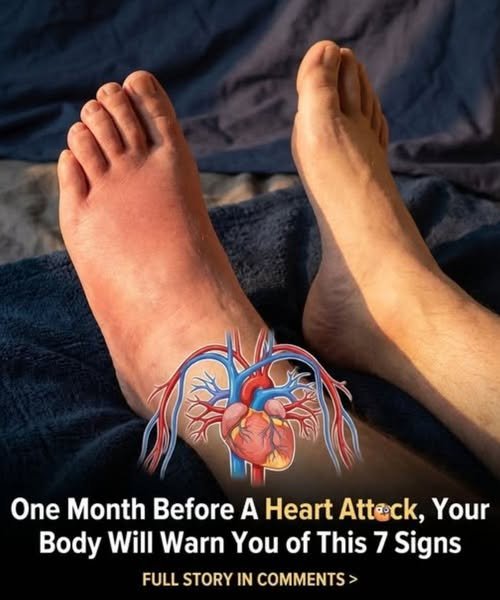
If you mean warning signs in the arms and legs that can occur with a heart attack, the key point is that arm symptoms are much more characteristic than leg symptoms. Leg symptoms alone are usually not a typical heart-attack warning sign.
7 warning signs to know
- Pain or pressure spreading into one or both arms
- A heart attack can cause discomfort that begins in the chest and travels into the left arm, but it can also involve the right arm or both arms.
- It may feel like pressure, squeezing, heaviness, aching, or burning rather than sharp pain.
- Sudden heaviness or unusual weakness in an arm
- An arm may suddenly feel unusually heavy, weak, or difficult to use.
- Sudden weakness or numbness on one side of the body is more concerning for a stroke than a heart attack, particularly when accompanied by facial drooping or speech difficulty.
- Arm discomfort without obvious injury
- Unexplained aching, tightness, or discomfort in an arm—especially when it occurs together with chest pressure, shortness of breath, sweating, nausea, or unusual fatigue—can be an important warning sign.
- Pain extending from the chest through the shoulder and arm
- Heart-related pain can follow a pattern from the chest toward the shoulder, upper arm, elbow, or even forearm.
- It may come and go rather than remaining constant.
- Pain or unusual discomfort associated with exertion
- If arm or shoulder discomfort repeatedly appears while walking, climbing stairs, or exercising and improves with rest, it can indicate angina, which may precede a heart attack.
- This deserves medical evaluation even if there is little or no chest pain.
- Sudden coldness, numbness, or color change in a limb
- These symptoms aren’t typical heart-attack symptoms, but sudden loss of blood flow to an arm or leg can be a medical emergency.
- A limb that becomes suddenly cold, pale/blue, numb, very painful, or weak requires urgent medical attention because an artery may be blocked.
- Leg swelling or pain—an important distinction
- A swollen, painful, warm, or red single leg is more suggestive of a deep-vein thrombosis (DVT) than a heart attack.
- A clot can travel to the lungs and cause a pulmonary embolism, producing sudden shortness of breath, chest pain, rapid heartbeat, dizziness, or coughing (sometimes with blood). That’s also an emergency.
- Swelling in both legs can occur with heart failure, but heart failure is different from an acute heart attack.
🚨 When to call emergency services
If you have new or unexplained chest pressure/pain plus arm discomfort, especially with shortness of breath, cold sweating, nausea/vomiting, dizziness, fainting, or unusual weakness, don’t wait to see whether it goes away. Call your local emergency number immediately.
Heart attacks don’t always begin with dramatic chest pain. Women, older adults, and people with diabetes can sometimes have less typical symptoms, such as unusual fatigue, nausea, shortness of breath, or discomfort in the back, jaw, shoulder, or arm.
Important: If you’re asking because you or someone with you is experiencing these symptoms right now, tell me what symptoms are happening and when they started—but don’t delay emergency care while waiting for a reply.