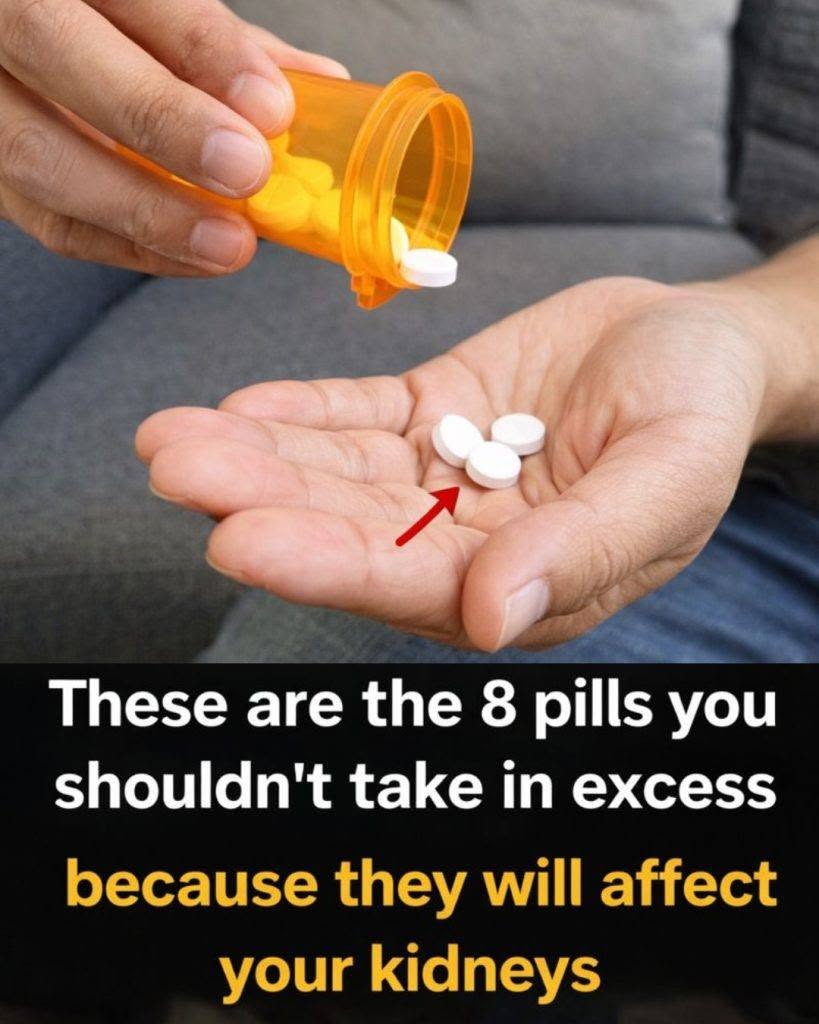
If you’re using this as a health article headline, an important nuance is that medications don’t automatically “harm the kidneys” in everyone. Risk depends on the drug, dose, duration, hydration, kidney function, and other medicines being taken.
8 common medication groups that can affect the kidneys
- Ibuprofen and other NSAIDs
Examples include ibuprofen, naproxen, diclofenac, meloxicam, and celecoxib. They can reduce blood flow to the kidneys and may cause acute kidney injury or worsen chronic kidney disease, particularly with high doses, prolonged use, or dehydration. - High-dose aspirin
Aspirin is different depending on the dose and reason for use. Higher doses used for pain can pose kidney risks, whereas low-dose aspirin prescribed for cardiovascular protection is generally considered much less concerning for the kidneys. - Certain antibiotics
Some antibiotics can cause kidney injury, including through drug reactions or direct effects on the kidneys. The risk varies substantially between medications and is higher in some people with existing kidney problems. - ACE inhibitors and ARBs
Drugs such as lisinopril and losartan can actually protect the kidneys in many people, especially those with hypertension or certain types of kidney disease. However, kidney function and potassium may need monitoring, particularly during dehydration or acute illness. - Diuretics (“water pills”)
These medicines are widely used and can be beneficial, but dehydration or excessive fluid loss can reduce kidney blood flow and contribute to kidney injury in susceptible people. - Proton-pump inhibitors (PPIs)
Common acid-reducing medicines in this class have been associated with kidney problems in some circumstances. They shouldn’t automatically be stopped, but long-term use should have a clear medical reason and be periodically reviewed. - Lithium
Lithium is cleared through the kidneys, and long-term treatment can affect kidney function. People taking it generally need regular monitoring and should be particularly careful about dehydration and medication interactions. - Some cancer and HIV medicines
Certain drugs used to treat cancer and HIV can affect kidney function, which is why clinicians may monitor kidney tests and adjust doses when necessary.
Why self-medicating can be risky
The biggest problem isn’t simply taking a medicine—it’s taking the wrong medicine, combining medicines unknowingly, using too much, or taking it when you’re dehydrated or have reduced kidney function. OTC cold and pain products can contain the same active ingredients under different brand names, making accidental overuse possible.
For example, someone who is vomiting or has diarrhea may become dehydrated. Adding an NSAID to certain blood-pressure medicines and/or a diuretic can put considerably more stress on the kidneys.
Don’t stop a prescribed medicine on your own. If you have kidney disease—or take several medicines—ask your doctor or pharmacist before starting an OTC painkiller, cold medicine, supplement, or herbal product. A pharmacist can also check your complete medication list for potentially harmful interactions.
And one common misconception: acetaminophen (Tylenol) is not an NSAID and is generally considered kidney-safe at recommended doses, although excessive doses can cause serious liver injury.