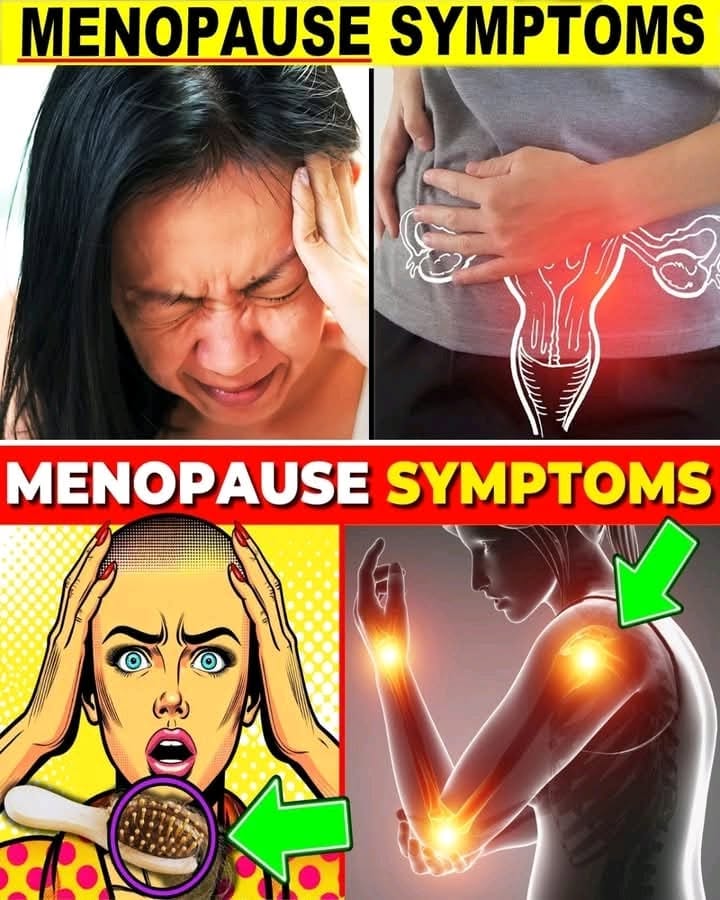
9 Signs You’re Actually Going Through Menopause: A Detailed Guide
Menopause is a natural stage of life that marks the end of menstrual periods and reproductive years. It happens primarily because the ovaries gradually produce less estrogen and progesterone, two hormones involved in menstruation, sleep, body temperature regulation, mood, and vaginal and urinary health.
The transition to menopause is called perimenopause, and it can begin several years before periods stop completely. During this time, symptoms may appear gradually, come and go, or change in intensity from month to month.
Menopause is officially reached after 12 consecutive months without a menstrual period, provided there is no other medical explanation for the absence of periods.
Here are nine common signs that may suggest you are going through perimenopause or menopause, what causes them, and when you should seek medical advice.


1. Irregular periods or changes in your menstrual cycle

One of the earliest and most recognizable signs
Your periods may become unpredictable as hormone levels fluctuate during perimenopause. A cycle that was once regular may suddenly become shorter, longer, lighter, or heavier.
You might notice:
-
Your period arrives earlier or later than expected.
-
You skip one or more periods and then menstruate again.
-
Bleeding lasts fewer or more days than it used to.
-
Your flow becomes unusually light or heavy.
-
The time between periods varies from month to month.
Why it happens: Estrogen and progesterone fluctuate as ovarian function changes. Ovulation may not occur during every cycle, which can affect when the uterine lining develops and sheds.
What to watch for: Changes in your cycle can be normal during perimenopause, but very heavy bleeding, bleeding between periods, or bleeding after sex should be assessed by a healthcare professional. Any bleeding after 12 months without a period requires prompt medical evaluation.
Remember that pregnancy can still occur during perimenopause. Irregular periods alone do not mean you can no longer become pregnant.
2. Hot flashes and sudden waves of heat

A classic menopause symptom
A hot flash is a sudden feeling of intense warmth that often spreads across the face, neck, and chest. It may last seconds to several minutes and can happen during the day or at night.
You may experience:
-
Sudden heat even when the room is cool.
-
Redness or flushing in your face, neck, or upper body.
-
Sweating followed by chills.
-
A racing heartbeat or a feeling of uneasiness.
-
Episodes triggered by stress, warm environments, spicy food, caffeine, or alcohol.
Why it happens: Changes in estrogen affect the brain’s temperature-regulation system, making it more sensitive to small changes in body temperature.
Hot flashes can occur occasionally or many times a day. Some women experience them for several years, while others have only mild symptoms.
What may help:
-
Dress in lightweight layers.
-
Keep your bedroom cool and use a fan if helpful.
-
Identify your personal triggers.
-
Try slow breathing when an episode begins.
-
Discuss effective prescription treatments with your healthcare professional if symptoms interfere with daily life.
Not every episode of sweating or intense heat is caused by menopause. Fever, persistent night sweats, or symptoms accompanied by unexplained weight loss deserve medical assessment.
3. Night sweats and difficulty sleeping

Sleep problems can develop even when you don’t notice hot flashes
You may wake up sweaty, feel unusually warm under the covers, or find yourself awake for long periods during the night.
Common experiences include:
-
Waking up several times during the night.
-
Sweating enough to change your nightclothes or bedding.
-
Waking earlier than planned and struggling to fall asleep again.
-
Feeling tired, irritable, or mentally foggy the next day.
-
Finding it harder to concentrate after a poor night’s sleep.
Why it happens: Night sweats may directly interrupt sleep. Hormonal changes may also coincide with changes in mood, sleep regulation, and other age-related factors.
Poor sleep can become a cycle: you wake frequently, feel exhausted during the day, become more stressed, and then have trouble sleeping the following night.
What may help:
-
Keep a consistent sleep and wake schedule.
-
Maintain a cool, dark, quiet bedroom.
-
Limit late-day caffeine and avoid using alcohol as a sleep aid.
-
Seek help for persistent insomnia rather than assuming you must tolerate it.
If you regularly snore loudly, gasp during sleep, or remain exhausted despite adequate sleep time, ask about other possible causes, including sleep apnea.
4. Mood swings, anxiety, or feeling unusually emotional

Your emotional responses may feel different from usual
You might become more irritable, tearful, anxious, or emotionally sensitive, sometimes without understanding why.
Possible signs include:
-
Getting frustrated over small things.
-
Feeling anxious or restless without an obvious trigger.
-
Crying more easily than you used to.
-
Experiencing a lower mood or reduced motivation.
-
Feeling overwhelmed by responsibilities that previously seemed manageable.
-
Having less patience with family members, friends, or coworkers.
Why it happens: Fluctuating reproductive hormones may influence brain systems involved in mood regulation. Sleep deprivation, life stress, and physical symptoms can also contribute.
For example, you might find yourself feeling unusually upset after a minor disagreement, then feel more like yourself a few hours later. Some women notice that mood changes occur alongside irregular periods or hot flashes.
What may help:
-
Maintain regular physical activity.
-
Prioritize sleep and relaxation.
-
Talk with trusted people about what you are experiencing.
-
Consider counseling or cognitive behavioral therapy.
-
Discuss treatment options if anxiety or low mood persists.
Important: Menopause can contribute to mood changes, but persistent sadness, panic attacks, severe anxiety, or loss of interest in activities should not automatically be attributed to hormones. Depression and anxiety are treatable conditions and deserve proper care.
5. Brain fog, forgetfulness, and difficulty concentrating

You may feel mentally slower or more forgetful
During perimenopause, some women notice changes in attention, memory, and their ability to organize thoughts.
You might notice that you:
-
Walk into a room and forget why you went there.
-
Struggle to remember a word during a conversation.
-
Lose track of what you were doing.
-
Find multitasking more difficult.
-
Have trouble concentrating while reading or working.
-
Feel mentally less sharp after a poor night’s sleep.
Why it happens: Hormonal changes may contribute to changes in cognitive functioning. Interrupted sleep, stress, anxiety, and mood changes can make these difficulties more noticeable.
The reassuring news is that menopause-related cognitive complaints are common, and many women find that they improve over time. Occasional forgetfulness does not automatically mean dementia or a serious memory disorder.
What may help:
-
Keep a regular sleep schedule.
-
Exercise consistently.
-
Use calendars, reminders, and written lists.
-
Focus on one task at a time.
-
Maintain social connections and mentally engaging activities.
Seek medical advice if memory problems are worsening, interfering with everyday tasks, or accompanied by confusion or other new neurological symptoms. Do not assume every cognitive change is caused by menopause.
6. Vaginal dryness, discomfort during sex, or reduced sexual comfort

Intimate changes can develop gradually
Lower estrogen levels can make vaginal and vulvar tissues thinner, drier, and less elastic. These changes may begin during perimenopause and persist after periods stop.
Possible symptoms include:
-
Vaginal dryness or a feeling of tightness.
-
Burning, itching, or irritation.
-
Pain or discomfort during sexual intercourse.
-
Small amounts of bleeding after sex.
-
Less natural lubrication during arousal.
-
Reduced sexual desire, sometimes because sex has become uncomfortable.
This group of changes is often called genitourinary syndrome of menopause (GSM). It can affect vaginal tissues, the vulva, the urethra, and the bladder.
Why it happens: Estrogen helps maintain the thickness, elasticity, moisture, and healthy environment of vaginal tissues. When estrogen declines, those tissues may become more sensitive and prone to irritation.
What may help:
-
Use a vaginal moisturizer regularly for ongoing dryness.
-
Try a suitable lubricant during sexual activity.
-
Avoid scented intimate washes and products that cause irritation.
-
Ask a healthcare professional about low-dose vaginal estrogen or other prescription treatments if symptoms persist.
Local vaginal treatments can be very effective, and they are different from systemic hormone therapy. The right option depends on your medical history and individual circumstances.
A change in sexual desire alone does not prove that you are going through menopause. Relationship factors, stress, medications, pain, and other health conditions can also affect libido.
7. Weight gain or changes in body shape

Your waistline may change even if your habits haven’t changed much
Some women notice more abdominal fat, a thicker waist, or changes in how their clothes fit during midlife.
You may notice:
-
Weight gradually increasing.
-
More fat accumulating around your abdomen.
-
Less muscle definition.
-
A change in how your body stores fat.
-
Greater difficulty maintaining your previous weight.
Why it happens: Menopause can influence fat distribution, while aging itself is associated with gradual muscle loss and changes in energy expenditure. Sleep disturbances, reduced activity, stress, and other factors may also contribute.
A useful distinction is that weight gain is not a reliable stand-alone sign of menopause. Many people gain weight during midlife whether or not they have reached menopause.
What may help:
-
Include strength training in your weekly routine.
-
Eat adequate protein and a variety of nutrient-rich foods.
-
Choose regular physical activity that you can sustain.
-
Pay attention to sleep and stress.
-
Avoid crash diets that may worsen muscle loss.
If weight changes are rapid or unexplained, consult a healthcare professional to consider other causes, such as thyroid problems or medication effects.
8. Joint aches, muscle discomfort, and stiffness

You may feel stiffer or more achy than before
Some women develop new or more noticeable aches during the menopausal transition, including discomfort in the knees, hips, shoulders, hands, or back.
You might experience:
-
Stiffness when getting out of bed.
-
Achy joints after sitting for a long time.
-
Muscle soreness without a clear explanation.
-
Discomfort when climbing stairs or exercising.
-
A feeling that your body needs longer to recover after physical activity.
Why it happens: Joint and muscle discomfort is reported during the menopausal transition, but the causes are complex. Hormonal changes may play a role, alongside age-related changes, activity levels, sleep quality, and existing joint conditions.
For example, you may notice stiffness in your fingers in the morning or feel more discomfort after a long period of inactivity.
What may help:
-
Try regular, low-impact movement, such as walking or swimming.
-
Incorporate gentle mobility exercises and strength training.
-
Increase exercise intensity gradually.
-
Maintain a healthy weight to reduce unnecessary joint strain.
-
Seek medical advice if pain is persistent or worsening.
Menopause should not be used to explain away severe joint pain, visibly swollen joints, marked weakness, or symptoms accompanied by fever. These can indicate other conditions that require assessment.
9. Urinary urgency, frequent urination, or recurring urinary tract infections

Changes in bladder comfort and control can be another clue
Lower estrogen levels can affect the tissues around the urethra and bladder opening, sometimes leading to urinary symptoms.
You might notice:
-
Needing to urinate more frequently.
-
Feeling a sudden, difficult-to-ignore urge to urinate.
-
Waking during the night to use the bathroom.
-
Leaking urine when coughing, sneezing, laughing, or exercising.
-
Vaginal or urinary irritation.
-
Urinary tract infections occurring more often.
Why it happens: Estrogen-sensitive tissues in the urinary and genital areas can become thinner and more vulnerable to irritation as hormone levels decline. Changes associated with menopause may contribute to urinary urgency, incontinence, and increased susceptibility to urinary tract infections.
What may help:
-
Drink enough water throughout the day.
-
Consider pelvic floor muscle training.
-
Reduce bladder irritants, such as caffeine, if they worsen your symptoms.
-
Discuss persistent urgency or leakage with a healthcare professional.
-
Ask whether vaginal estrogen or other treatments may be appropriate.
Do not assume that painful urination, burning, or frequent urination is simply menopause. These symptoms can indicate a urinary tract infection. Fever, flank pain, or feeling very unwell requires prompt medical attention.
How do you know if these symptoms are really menopause?
Having several of these signs together may suggest perimenopause, particularly if you are in your 40s or early 50s. However, no single symptom—and no combination of symptoms—confirms menopause with certainty.
The timing of your periods, your age, medical history, and the pattern of your symptoms all matter.
|
Your situation |
What it may mean |
|---|---|
|
Periods are changing, and you have occasional hot flashes |
Possible perimenopause |
|
Periods have stopped for 12 consecutive months, with no other explanation |
Menopause is generally confirmed |
|
You have symptoms but still have regular periods |
Perimenopause is possible, but other causes should be considered |
|
Your periods stop before age 45 |
Medical assessment is advisable |
|
Your periods stop before age 40 |
Evaluation for premature ovarian insufficiency is important |
Menopause commonly occurs between ages 45 and 55, with the average age in the United States around 51. Some women experience very few symptoms, while others experience several at once.
Do you need a blood test to confirm menopause?
Usually, women over 45 with typical symptoms and menstrual changes do not need routine hormone testing to identify perimenopause or menopause. Hormone levels can fluctuate substantially during the transition, so a single result may not be helpful.
A clinician may recommend tests if you are younger than expected, have unusual symptoms, or may have another condition, such as a thyroid disorder. Pregnancy may also need to be ruled out when appropriate.
What can you do to feel better during menopause?
The right treatment depends on which symptoms affect you most.

1. Support your overall health
Eat a balanced diet with adequate protein, calcium-rich foods, and vitamin D sources. Regular exercise, including strength training and weight-bearing activity, supports muscle and bone health.

2. Improve sleep and manage stress
Keep a consistent bedtime, create a comfortable sleeping environment, and use relaxation techniques that work for you. Cognitive behavioral therapy can help with certain sleep and menopause-related symptoms.

3. Discuss medical treatments
Menopausal hormone therapy is an effective option for many people with bothersome hot flashes and night sweats. Vaginal estrogen can help with vaginal and urinary symptoms. Nonhormonal prescription options are also available. Treatment suitability depends on your symptoms, age, medical history, and preferences.
When should you see a doctor?
Arrange a medical appointment if symptoms interfere with sleep, work, relationships, sexual comfort, or daily activities.
Seek prompt medical evaluation if you experience:
-
Any vaginal bleeding after 12 months without a period.
-
Unusually heavy, prolonged, or unexplained bleeding.
-
Persistent or unexplained night sweats.
-
New urinary symptoms, particularly painful urination.
-
Significant mood changes or worsening memory problems.
Heavy bleeding accompanied by faintness, severe weakness, or shortness of breath may require emergency care. Bleeding after menopause always warrants evaluation, even if it is only light spotting.
A quick self-check: Could you be experiencing perimenopause?
Select any symptoms you have experienced recently. This is an educational guide, not a diagnostic test.
What is your age range?
What has happened to your periods?
The most important takeaway: Menopause is a natural transition, but you do not have to dismiss uncomfortable symptoms as an inevitable part of aging. Recognizing changes early and discussing them with a healthcare professional can help you find effective relief and protect your long-term health.