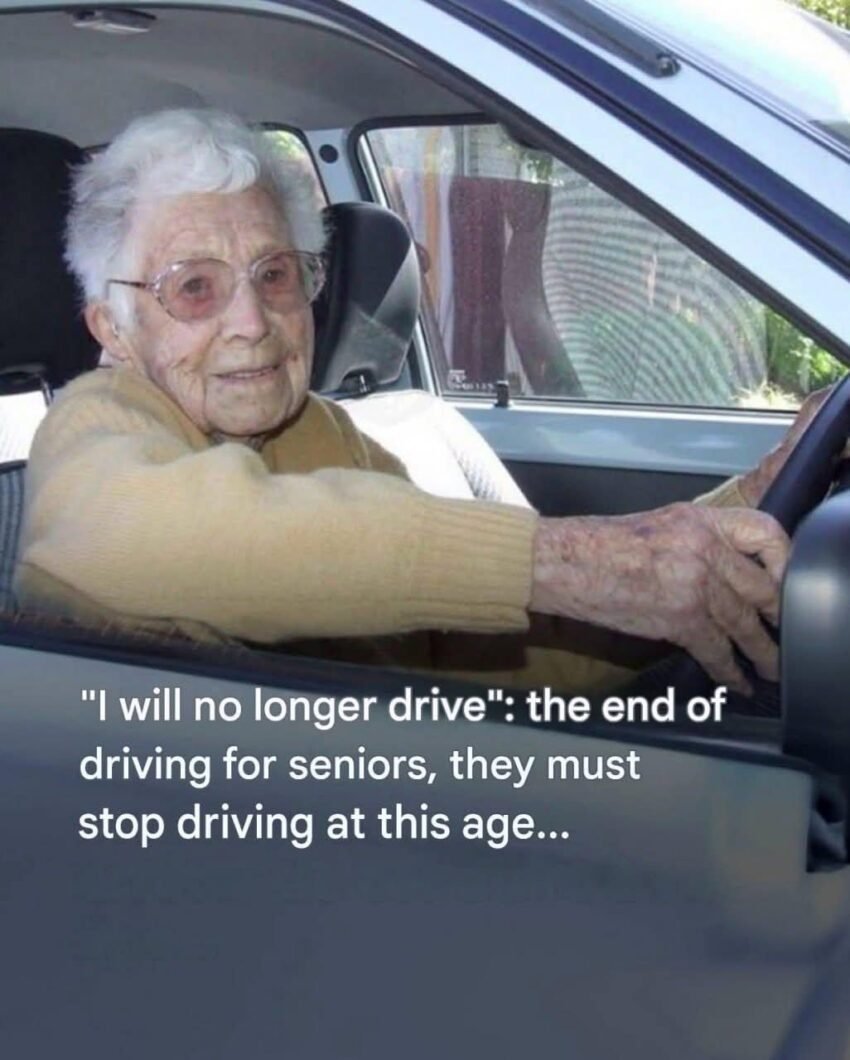
Senior Driving Licence: A Complete Guide to Obligations and Aptitude Tests for Older Drivers
Rules for older drivers vary significantly by country and region. In many places, there is no maximum age for driving, but senior drivers may have additional renewal requirements to help ensure they can drive safely.
Why Are Senior Drivers Asked to Take Tests?
As people age, some abilities that affect driving can change, including:
Vision
Hearing
Reaction time
Flexibility and mobility
Cognitive functions such as attention and memory
Ability to judge speed and distance
Most older adults continue to drive safely, but periodic assessments can help identify issues that may need correction or accommodation.
—
Common Obligations for Senior Drivers
1. More Frequent Licence Renewals
Many jurisdictions require older drivers to renew their licences more often than younger drivers.
Examples may include:
Renewal every 5 years after a certain age
Renewal every 2–3 years for very elderly drivers
In-person renewal instead of online renewal
2. Vision Testing
Vision tests are among the most common requirements.
They may assess:
Visual acuity
Peripheral vision
Ability to recognize road signs
Night vision in some cases
Drivers who need glasses or contact lenses may receive a licence restriction requiring corrective lenses while driving.
3. Medical Reporting
Some regions require:
Medical certificates from a physician
Disclosure of certain medical conditions
Periodic health assessments
Conditions that may affect driving include:
Dementia
Parkinson’s disease
Epilepsy
Severe diabetes
Significant heart conditions
Serious vision disorders
4. Self-Reporting Requirements
Drivers are often legally required to report medical conditions that could impair safe driving.
Failure to report a significant condition may have legal consequences if an accident occurs.
—
Aptitude Tests for Older Drivers
An aptitude test evaluates whether a person can drive safely.
1. Cognitive Assessment
These tests may evaluate:
Memory
Concentration
Decision-making
Processing speed
Ability to follow instructions
Examples include paper-based or computerized screening tests.
2. Reaction Time Testing
Measures how quickly a driver can:
Respond to hazards
Brake when necessary
React to unexpected events
Fast and appropriate reactions are important for road safety.
3. Vision Assessment
May include:
Reading letters at a distance
Detecting peripheral objects
Contrast sensitivity testing
Good vision is essential for identifying pedestrians, vehicles, and road signs.
4. Physical Ability Assessment
Evaluates:
Neck movement
Arm and leg strength
Joint flexibility
Ability to operate vehicle controls
The examiner may assess whether the driver can:
Turn to check blind spots
Use pedals safely
Control the steering wheel effectively
5. Practical Road Test
Some older drivers may be required to complete an on-road assessment.
The examiner evaluates:
Lane positioning
Speed control
Sign recognition
Parking
Hazard awareness
Decision-making at intersections
—
Preparing for a Senior Driver Assessment
Maintain Physical Health
Exercise regularly
Stay active
Follow medical treatment plans
Protect Vision
Schedule regular eye examinations
Update eyeglass prescriptions when needed
Review Traffic Rules
Road laws may change over time. Reviewing:
Speed limits
Roundabout rules
New traffic signs can be helpful.
Practice Driving
Driving in various conditions helps maintain skills:
Daytime traffic
Highways
Urban areas
Parking situations
—
Warning Signs That Driving Ability May Need Review
Watch for:
Frequent close calls
Difficulty staying in lane
Confusion at intersections
Missing traffic signs
Getting lost on familiar routes
Increased dents or minor collisions
Trouble judging gaps in traffic
These signs do not automatically mean someone should stop driving, but they may indicate a need for professional evaluation.
—
Vehicle Adaptations for Older Drivers
Many seniors continue driving safely with adjustments such as:
Larger mirrors
Wide-angle mirrors
Steering wheel covers
Pedal extensions
Backup cameras
Blind-spot monitoring systems
Advanced driver-assistance features
—
Key Takeaway
In most countries, age alone does not automatically disqualify a person from driving. The focus is usually on whether the driver can safely operate a vehicle. Senior drivers may need periodic licence renewals, vision checks, medical evaluations, or aptitude tests depending on local regulations. Safe driving depends more on health, vision, cognition, and physical ability than on age itself.
If you tell me your country (for example, Pakistan, the UK, the US, Canada, Australia, etc.), I can provide the exact senior driving licence renewal rules and testing requirements that apply there.