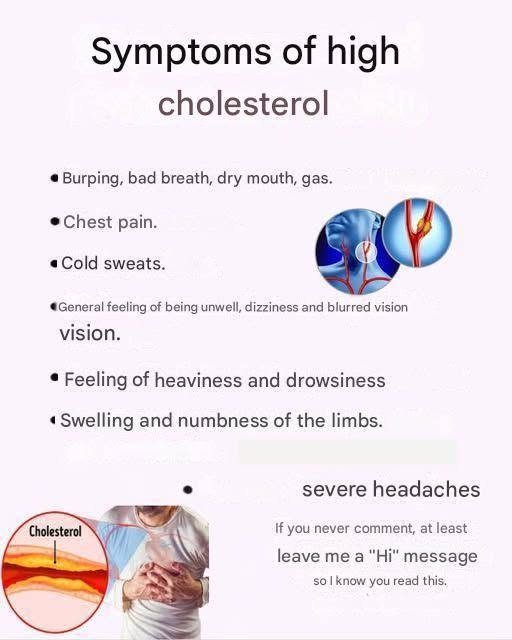
High cholesterol is often called a “silent enemy” because it usually develops without obvious symptoms until it has already caused serious health problems like heart disease or stroke.
Medically, it is known as Hypercholesterolemia, which means there is too much cholesterol (a fatty substance) in your blood.
🧬 What is Cholesterol?
Cholesterol is a waxy, fat-like substance your body needs to:
- Build cells
- Produce hormones (like estrogen and testosterone)
- Help digest food (via bile acids)
But too much of it becomes harmful.
There are two main types:
- LDL (Low-Density Lipoprotein) → “Bad cholesterol” (clogs arteries)
- HDL (High-Density Lipoprotein) → “Good cholesterol” (removes excess cholesterol)
⚠️ Why It’s Called a Silent Enemy
High cholesterol usually has no clear warning signs. You can feel completely normal while damage is happening inside your arteries.
Over time, LDL cholesterol builds up and forms plaque, which:
- Narrows blood vessels
- Reduces blood flow
- Increases risk of heart attack and stroke
🚨 Possible Late-Stage Signs (when complications start)
Although early stages show no symptoms, advanced cases may lead to:
- Chest pain (angina)
- Shortness of breath
- Fatigue during activity
- Numbness or weakness (if blood flow is reduced)
- Yellowish fatty deposits under skin (xanthomas)
- Gray-white ring around the eye (in some cases)
🧠 Risk Factors
You are more at risk if you have:
- High-fat or junk food diet
- Lack of exercise
- Obesity
- Smoking
- Diabetes
- Family history of high cholesterol
- Age (risk increases with age)
🩺 How It Is Detected
Since symptoms are rare, blood testing is the only reliable way:
- Lipid profile test measures LDL, HDL, and triglycerides
- Fasting is sometimes required before test
💊 Treatment & Control
Lifestyle changes (most important):
- Eat more fruits, vegetables, oats, and fiber
- Reduce fried and fatty foods
- Exercise at least 30 minutes daily
- Lose excess weight
- Quit smoking
Medicines (if needed):
- Statins (most common cholesterol-lowering drugs)
- Other lipid-lowering medications prescribed by a doctor
❤️ Possible Complications if Ignored
Untreated high cholesterol can lead to:
- Heart attack
- Stroke
- Blocked arteries (atherosclerosis)
- Peripheral artery disease
🧭 Key Takeaway
High cholesterol is dangerous not because it feels strong, but because it stays quiet for years while damaging your arteries. Regular testing is the only way to catch it early.
If you want, I can also explain:
- Foods that lower cholesterol fast
- Normal cholesterol levels by age
- A simple diet plan for 7 days
- Natural home remedies (safe and evidence-based