Below is a clear, detailed breakdown.
🟢 When excessive drooling is usually harmless
In many cases, drooling is normal and not dangerous, especially when:
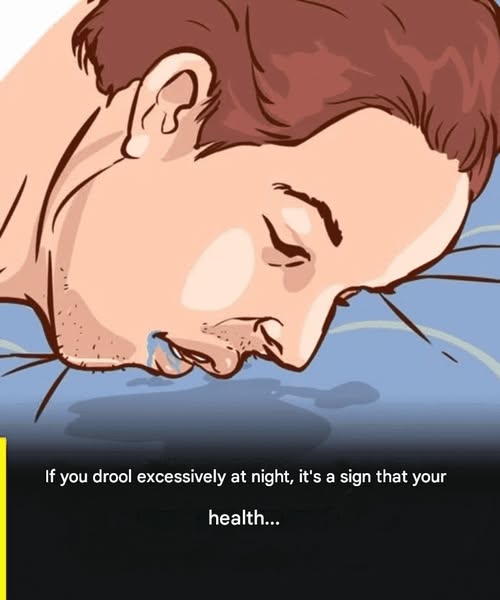
1. During sleep
- Saliva production continues while sleeping
- Mouth may stay slightly open
- Sleeping on your side or stomach increases drooling
2. Deep relaxation or focus
- The swallowing reflex slows down
- Common in children or during naps
3. Temporary causes
- Teething in children
- Mild throat irritation or cold
- Temporary nasal congestion (mouth breathing)
👉 In these cases, it usually resolves on its own.
🟡 Common non-serious causes in daily life
1. Dental or oral issues
- Poor oral posture (open mouth habit)
- Misaligned teeth or jaw
- Mouth breathing due to blocked nose
2. Acid reflux (GERD)
- The body may produce extra saliva to neutralize stomach acid
- Often accompanied by:
- Heartburn
- Sour taste in mouth
- Throat irritation
Related condition: Gastroesophageal reflux disease
3. Medications
Some medicines increase saliva or reduce swallowing control:
- Antipsychotics
- Sedatives
- Certain epilepsy drugs
🔴 Medical causes that may need attention
Persistent drooling can sometimes signal neurological or structural problems.
1. Neurological disorders
Conditions affecting muscle control or swallowing:
- Parkinson’s disease → reduced swallowing frequency
- Stroke → weak facial muscles or impaired swallowing
- Cerebral palsy → poor oral muscle control
- ALS (motor neuron disease)
In these cases, drooling is often due to difficulty swallowing saliva, not excess production.
2. Infections or inflammation
- Tonsillitis or throat infections
- Severe sore throat
- Mouth ulcers
Pain can make swallowing difficult → saliva accumulates.
3. Dental infections
- Gum disease
- Tooth abscess
These may increase saliva and make swallowing uncomfortable.
4. Poisoning or toxin exposure (rare but important)
Some toxins or medications can cause excessive salivation along with:
- Nausea
- Sweating
- Confusion
🚨 Warning signs (see a doctor if present)
Excessive drooling becomes concerning if it comes with:
- Difficulty swallowing (choking or coughing when eating)
- Slurred speech
- Facial weakness
- Sudden onset after injury or illness
- Unexplained weight loss
- Persistent drooling in adults with no clear reason
- Bad breath with pain or swelling
These may indicate neurological or structural problems.
🧠 Why drooling happens (simple explanation)
Your saliva system is controlled by:
- Salivary glands (produce saliva)
- Brain and nerves (control swallowing)
Drooling happens when:
- Too much saliva is produced, or
- You are not swallowing enough/efficiently
Most medical conditions involve the second mechanism.
🏠 Simple ways to reduce mild drooling
- Treat nasal congestion (so you can breathe through the nose)
- Improve sleeping posture (sleep on back if possible)
- Practice swallowing awareness (especially during the day)
- Maintain good oral hygiene
- Stay hydrated (thick saliva is harder to manage)
📌 Bottom line
- Occasional drooling = usually normal
- Persistent drooling in adults = may signal an underlying issue
- The most important factor is whether it’s combined with swallowing difficulty or neurological symptoms
If you want, tell me:
- your age
- when it happens (day/night)
- any other symptoms
I can help narrow down the most likely cause for your specific situation.