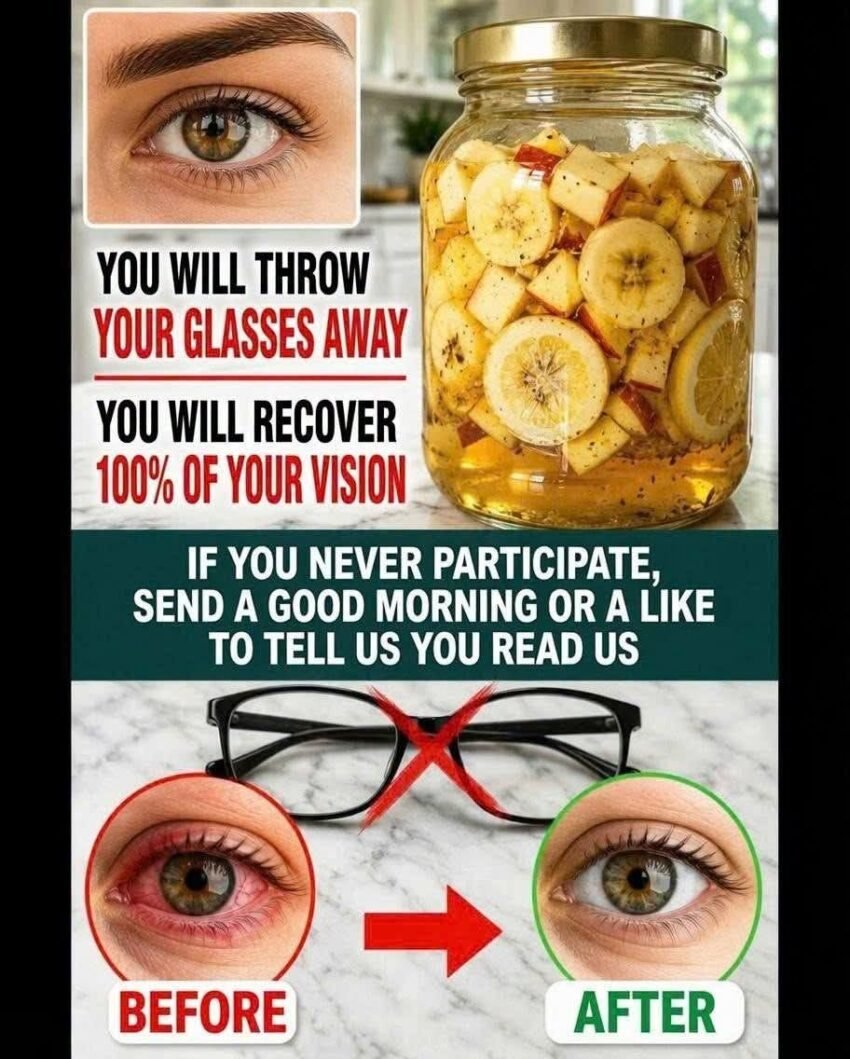
Homemade Fruit Infusion for Eye Health: What Science Really Says
Many homemade fruit infusions are promoted online as natural remedies for improving eyesight or preventing eye diseases. While drinking fruit-infused water can be a refreshing way to stay hydrated and increase your intake of certain vitamins, there is no scientific evidence that any homemade fruit infusion can restore vision, cure eye diseases, or replace medical treatment.
However, some fruits contain nutrients that support overall eye health as part of a balanced diet. Here’s what current science says.
—
Can Fruit Infusions Improve Eyesight?
A fruit infusion is made by soaking fresh fruit in water, allowing some flavor and small amounts of water-soluble nutrients to enter the water.
What research shows
Staying well hydrated supports normal tear production and overall eye comfort.
Eating whole fruits provides vitamins, minerals, fiber, and antioxidants that contribute to eye health.
Fruit-infused water contains much lower amounts of nutrients than eating the whole fruit because many beneficial compounds remain in the fruit itself.
No clinical studies have shown that homemade fruit infusions alone improve vision or reverse conditions such as cataracts, glaucoma, or age-related macular degeneration.
—
Best Fruits for Supporting Eye Health
1. Oranges
Oranges are rich in vitamin C, an antioxidant that helps protect cells from oxidative stress.
Potential benefits
Supports healthy blood vessels in the eyes
Contributes to collagen production in the cornea and surrounding tissues
May help reduce oxidative damage over time
Use in an infusion: Add orange slices to cold water for a mild citrus flavor.
—
2. Blueberries
Blueberries contain anthocyanins, natural plant pigments with antioxidant properties.
Potential benefits
Help protect cells from oxidative stress
Support overall vascular health
May contribute to healthy aging when included in a balanced diet
While blueberries are nutritious, evidence that they improve night vision or reverse eye disease is limited.
—
3. Strawberries
Strawberries provide plenty of vitamin C and other antioxidants.
Benefits
Supports collagen formation
Helps maintain healthy blood vessels
Contributes to overall eye tissue health
—
4. Kiwi
Kiwi is one of the richest fruit sources of vitamin C.
Benefits
Supports immune health
Helps maintain connective tissues
Provides antioxidants that help protect cells
—
5. Lemon
Lemon adds flavor to water and provides small amounts of vitamin C.
Benefits
Encourages hydration
Supplies a modest amount of antioxidants
Makes plain water more appealing
—
6. Pomegranate
Pomegranate contains polyphenols, antioxidants that may support cardiovascular health.
Possible benefits
Helps protect cells from oxidative stress
Supports healthy circulation
May contribute to overall wellness
Research specifically linking pomegranate to improved eye health remains limited.
—
Important Nutrients for Healthy Eyes
Certain nutrients have stronger scientific support for maintaining eye health than fruit infusions alone.
Vitamin A
Supports normal vision, especially in low light.
Food sources
Carrots
Sweet potatoes
Spinach
Kale
Eggs
Liver
—
Vitamin C
Vitamin C supports collagen production and acts as an antioxidant.
Food sources
Citrus fruits
Kiwi
Strawberries
Guava
Bell peppers
—
Vitamin E
Vitamin E helps protect cells from oxidative stress.
Food sources
Almonds
Sunflower seeds
Hazelnuts
Avocados
—
Lutein and Zeaxanthin
These carotenoids accumulate in the retina and help filter harmful blue light.
Best sources
Spinach
Kale
Collard greens
Peas
Corn
Egg yolks
—
Omega-3 Fatty Acids
Omega-3 fats support retinal function and may help reduce symptoms of dry eye in some people.
Food sources
Salmon
Sardines
Mackerel
Trout
Walnuts
Flaxseeds
Chia seeds
—
Simple Homemade Fruit Infusion Recipe
Citrus Berry Eye-Health Infusion
Ingredients
1 orange, sliced
½ lemon, sliced
½ cup fresh strawberries
½ cup blueberries
Several fresh mint leaves (optional)
1–2 liters of cold water
Instructions
1. Wash all fruit thoroughly.
2. Slice the orange and lemon.
3. Add all ingredients to a large pitcher.
4. Fill with cold water.
5. Refrigerate for 2–4 hours before drinking.
This infusion is a flavorful way to increase water intake, but remember that eating the fruit afterward provides far more nutrients than drinking the infused water alone.
—
Lifestyle Habits That Support Eye Health
Nutrition is only one part of protecting your vision. Other healthy habits include:
Eat a balanced diet rich in fruits, vegetables, whole grains, lean proteins, and healthy fats.
Wear sunglasses that block 99–100% of UVA and UVB rays when outdoors.
Don’t smoke, as smoking increases the risk of several eye diseases.
Manage chronic conditions such as diabetes and high blood pressure.
Take regular breaks from screens using the 20-20-20 rule: every 20 minutes, look at something about 20 feet away for 20 seconds.
Schedule routine comprehensive eye exams, especially if you have diabetes, a family history of eye disease, or are over age 40.
—
Common Myths About Fruit Infusions
Myth: Fruit-infused water can restore lost eyesight.
Fact: No scientific evidence supports this claim.
Myth: Drinking lemon water cures cataracts.
Fact: Cataracts require evaluation by an eye care professional, and surgery is the only proven treatment when they significantly affect vision.
Myth: Blueberry-infused water dramatically improves night vision.
Fact: Blueberries are nutritious, but research has not confirmed this effect in healthy people.
Myth: One “eye-health drink” can prevent all eye diseases.
Fact: Eye health depends on many factors, including genetics, age, overall diet, medical conditions, and regular eye care.
—
Bottom Line
A homemade fruit infusion can be a healthy, refreshing beverage that encourages hydration and contains small amounts of beneficial nutrients. However, current scientific evidence does not support claims that fruit infusions can improve eyesight, reverse vision loss, or treat eye diseases.
For the best support of long-term eye health, focus on a balanced diet rich in whole fruits and vegetables, foods containing vitamins A, C, and E, lutein, zeaxanthin, and omega-3 fatty acids, along with regular eye examinations and healthy lifestyle habits.