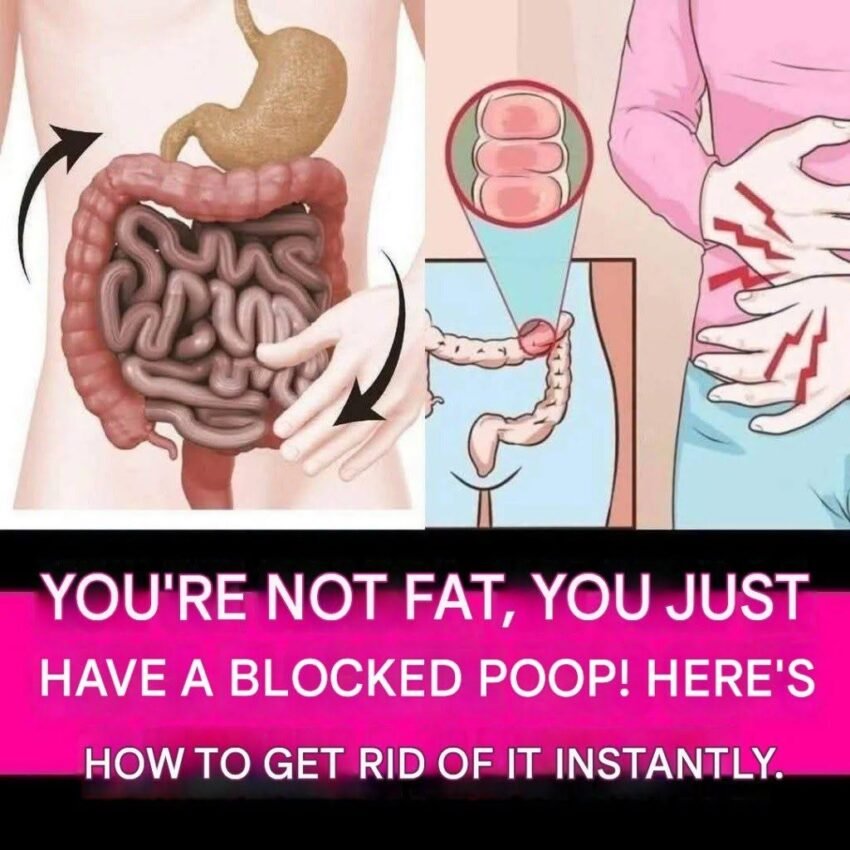
“excess stool” you mean that you feel stool is remaining in your bowel, you are constipated, or you cannot completely empty your bowels, the safest approach is to improve normal bowel movement rather than trying to “flush” or “detox” the colon. A feeling of incomplete emptying is itself a common symptom of constipation.
N
NIDDK
+1
1. Start with enough fiber
For most adults, the recommended amount is about 22–34 grams of fiber per day, depending on age and sex. Increase it gradually rather than suddenly, because a rapid increase can cause gas and bloating.
N
NIDDK
Good choices include:
Oatmeal and whole-grain cereals
Whole-wheat bread and pasta
Lentils, chickpeas, kidney beans and other legumes
Apples or pears with the skin
Berries
Oranges
Broccoli, peas, carrots and other vegetables
Almonds, peanuts and other nuts
Oats or ground flax/linseed
Important: Fiber works better when you are drinking adequate fluids.
N
NIDDK
A simple way to increase fiber
Instead of trying to consume a very large amount at once, you could gradually add:
Breakfast: oatmeal + fruit
Lunch: whole-grain bread + vegetables
Snack: pear/apple + a small handful of nuts
Dinner: beans/lentils + vegetables + whole grains
If you currently eat very little fiber, increase it over several days.
2. Drink adequate fluids
Water and other non-alcoholic fluids help prevent stool from becoming excessively hard and allow dietary fiber to work properly.
N
NIDDK
There isn’t one exact amount of water that is appropriate for everyone. Your needs depend on factors such as body size, activity, health conditions and climate.
Don’t force huge quantities of water in an attempt to “clean out” your colon. The goal is adequate hydration, not water loading.
3. Establish a regular toilet routine
Your body’s natural gastrocolic reflex can make bowel movements easier after eating.
Try:
Eat breakfast or another meal.
Give yourself some uninterrupted time afterward.
Go to the toilet when you feel the urge.
Don’t repeatedly suppress the urge to have a bowel movement.
Avoid sitting and straining for a prolonged period.
The NHS also recommends placing your feet on a low footstool, so your knees are higher than your hips. This can put you in a position that makes passing stool easier.
N
nhs.uk
4. Stay physically active
Regular movement can help bowel function. Even something as simple as a daily walk may help you have bowel movements more regularly.
N
nhs.uk
You don’t necessarily need strenuous exercise. Consistency is more important.
For example:
Take a 20–30 minute walk.
Break up long periods of sitting.
Walk after meals if comfortable.
Gradually increase your activity if you are normally sedentary.
5. Foods that may help naturally
Some fruits contain sorbitol, a naturally occurring sugar alcohol that can have a stool-softening/laxative effect in some people. The NHS specifically lists apples, apricots, grapes/raisins, raspberries and strawberries among fruits that may help constipation.
N
nhs.uk
Other useful foods include:
Pears
Oatmeal
Beans and lentils
Vegetables
Whole grains
Ground flax/linseed
Prunes or prune-containing foods
Introduce these gradually and see how your body responds.
6. What about “colon cleansing” or detox drinks?
You generally do not need a colon cleanse to remove accumulated stool. The digestive system normally moves stool through the bowel without detox products.
Be cautious with products marketed as:
“Colon cleanses”
“7-day bowel detox”
“Toxin flushes”
Strong herbal laxative teas
Large-volume salt-water cleanses
Frequent enemas
Using laxatives excessively can cause dehydration, electrolyte abnormalities and other complications.
N
nhs.uk
If you genuinely have constipation, treating the constipation is preferable to trying to empty the entire colon.
7. If lifestyle changes aren’t enough
For adults with constipation, a pharmacist or clinician can recommend an appropriate laxative. There are several categories, including bulk-forming and osmotic laxatives. The appropriate choice depends on your symptoms and medical situation.
N
nhs.uk
Don’t assume that a stronger laxative is better. Some laxatives can cause abdominal cramps, bloating, diarrhea and dehydration, particularly if used incorrectly or for too long.
N
nhs.uk
If you use an over-the-counter laxative and it doesn’t help, speak with a pharmacist or doctor rather than repeatedly increasing the dose. The NHS advises not using non-prescription laxatives for longer than 7 days without medical advice.
N
nhs.uk
8. When “excess stool” may actually be fecal impaction
Sometimes stool becomes very hard and accumulates in the rectum. This is called fecal impaction.
Interestingly, a person can sometimes develop watery diarrhea leaking around the impacted stool, so diarrhea doesn’t always mean that the bowel is empty.
N
nhs.uk
Treatment can involve stronger laxatives, suppositories or a mini-enema under appropriate medical guidance. In some cases, a healthcare professional needs to remove the stool. Do not attempt to manually remove a large amount of impacted stool yourself.
N
nhs.uk
9. When you should get medical attention
Don’t try to treat severe constipation at home if you have symptoms suggesting a bowel obstruction or another serious problem.
Seek urgent medical attention if constipation is accompanied by:
Severe or persistent abdominal pain
Significant abdominal swelling/bloating
Vomiting
Inability to pass stool and gas
Blood in the stool or rectal bleeding
Fever or feeling seriously unwell
Abdominal pain, bloating, constipation, inability to pass gas, nausea and vomiting can occur with intestinal obstruction and warrant prompt medical assessment.
N
NIDDK
You should also see a clinician if constipation keeps recurring, doesn’t improve with treatment, you have unexplained weight loss, persistent bloating, a sudden change in bowel habits, or ongoing abdominal pain.
N
nhs.uk
+1
A practical “natural” approach
For ordinary constipation, the basic strategy is:
Gradually increase fiber → drink adequate fluids → walk/move regularly → respond to the urge to poop → use a footstool when toileting → seek professional advice if it doesn’t improve.
There is no need to produce multiple bowel movements per day to be healthy. Normal bowel frequency varies considerably between people; the more important issue is whether your stool is reasonably soft, passes without excessive straining, and you feel adequately emptied.
N
NIDDK
If you tell me how long you’ve been constipated, how often you currently have a bowel movement, whether the stool is hard, and whether you have bloating or abdominal pain, I can explain what approach is most appropriate and what to avoid.