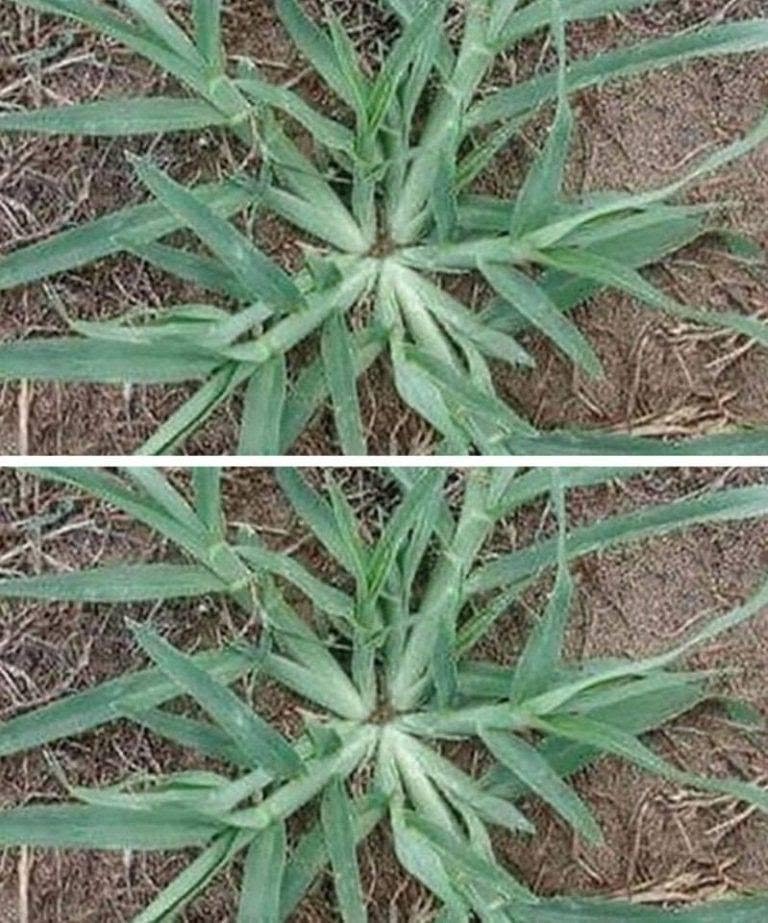
“which plant you should never uproot if it appears in your garden” and want detailed information. Many plants are described this way depending on culture, ecology, or usefulness. One common example is:
Asclepias tuberosa (Butterfly Weed)
Asclepias tuberosa is a native wildflower that many gardeners are encouraged to protect rather than remove because it supports important pollinators.
Why you should avoid uprooting it
- Supports butterflies: It is a major food source for the caterpillars of Monarch butterfly. Monarch caterpillars depend on milkweed plants to survive.
- Helps pollinators: Its bright orange flowers provide nectar for bees, butterflies, and other beneficial insects.
- Improves biodiversity: Keeping native plants helps maintain a healthier garden ecosystem.
- Low maintenance: Once established, it can tolerate dry conditions and usually needs little care.
How to recognize it
- Orange, yellow-orange, or red-orange clusters of flowers (depending on species)
- Upright stems
- Long, narrow leaves
- Seed pods that split open and release fluffy seeds carried by wind
What to do if it appears naturally
- Let it grow if it is in a suitable location.
- Avoid using herbicides on it.
- If it spreads too much, move or manage it carefully rather than destroying it.
Another plant often called “do not uproot” is Plantago major because it has traditional medicinal uses and benefits soil health.
If you mean a specific viral claim like “Never uproot this plant if it appears in your garden”, tell me the plant’s name or upload a photo, and I can identify it.