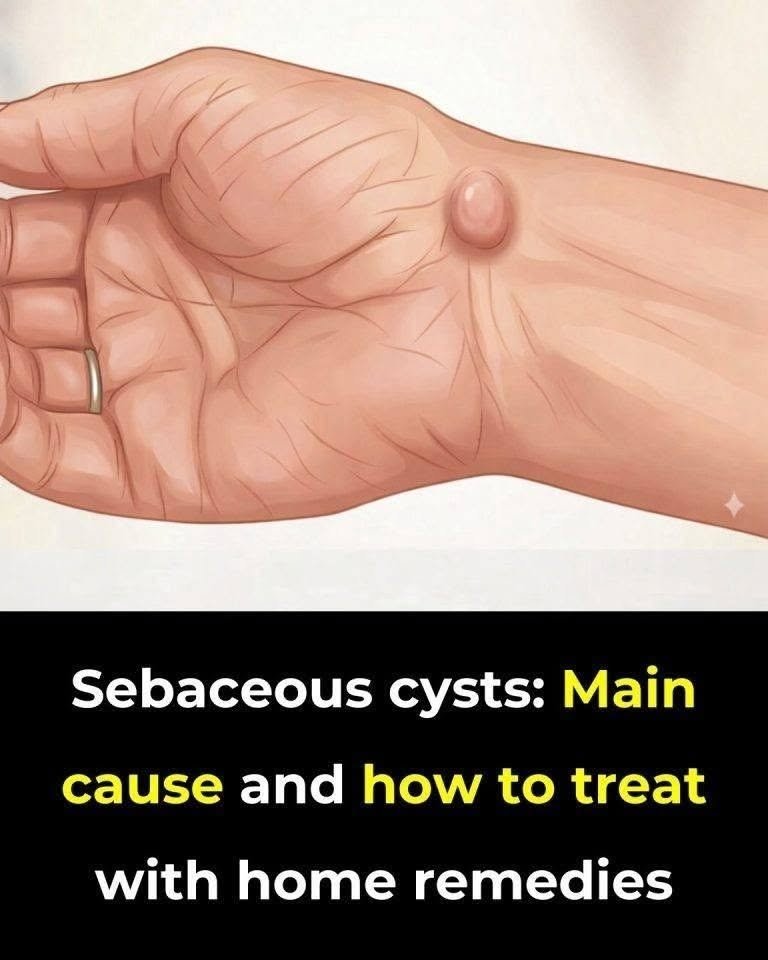
A sebaceous cyst is a common, usually non-cancerous lump that forms beneath the skin. Many lumps commonly called “sebaceous cysts” are actually epidermoid cysts, which develop when skin cells become trapped under the skin rather than shedding normally. They are often slow-growing and filled with a soft, cheese-like material called keratin.
What causes sebaceous cysts?
The main causes include:
- Blocked glands or hair follicles
- Oil glands or hair follicles become blocked, trapping skin cells and debris.
- Skin injury or trauma
- Cuts, surgical wounds, acne, or repeated friction can lead to cyst formation.
- Acne
- People with frequent acne are more likely to develop skin cysts.
- Genetic conditions
- Some inherited disorders increase the likelihood of developing multiple cysts.
- Inflammation
- Chronic skin irritation or inflammation may contribute.
Sebaceous cysts are not caused by poor hygiene and are generally not contagious.
Symptoms
A sebaceous (or epidermoid) cyst typically appears as:
- A round, smooth lump beneath the skin
- Usually painless unless inflamed or infected
- Size ranging from a few millimeters to several centimeters
- A small dark dot (punctum) in the center may be visible
- Slow-growing
- Common on the face, neck, scalp, back, chest, and shoulders
If infected, the cyst may become:
- Red
- Warm
- Tender or painful
- Swollen
- Filled with foul-smelling drainage
Who is more likely to get them?
Risk factors include:
- Adults (more common than in children)
- Oily skin
- Acne
- Previous skin injuries
- Family history of cysts
Home remedies
Home care can help relieve discomfort, but it cannot remove the cyst wall, so the cyst may remain or recur.
1. Warm compress (most effective home treatment)
- Soak a clean cloth in warm (not hot) water.
- Apply to the cyst for 10–15 minutes.
- Repeat 3–4 times daily.
- This may encourage natural drainage and reduce discomfort.
2. Keep the area clean
- Wash gently with mild soap and water.
- Dry the area carefully.
3. Avoid squeezing or popping it
- Squeezing increases the risk of:
- Infection
- Bleeding
- Scarring
- Recurrence
4. Protect from irritation
- Avoid tight clothing or repeated rubbing over the cyst.
5. Over-the-counter pain relief
If the cyst is sore, medications such as Acetaminophen or Ibuprofen may help, provided they are appropriate for you.
Remedies that are not recommended
There is no strong scientific evidence that these treatments cure sebaceous cysts:
- Toothpaste
- Apple cider vinegar
- Tea tree oil
- Garlic
- Castor oil
- Baking soda
Some may irritate the skin or worsen inflammation.
Medical treatment
If the cyst is painful, infected, growing rapidly, or bothersome, a healthcare professional may recommend:
- Drainage: The cyst is opened and emptied, though it may come back.
- Steroid injection: Reduces inflammation in selected cases.
- Antibiotics: Only if there is a bacterial infection.
- Complete surgical removal: Removes the entire cyst and its wall. This is the treatment with the lowest chance of recurrence.
When should you see a doctor?
Seek medical care if the cyst:
- Becomes very painful
- Is rapidly increasing in size
- Becomes red, hot, or drains pus
- Keeps returning
- Interferes with movement or daily activities
- Develops in an unusual location or changes in appearance
Prevention
You cannot always prevent cysts, but you may reduce your risk by:
- Treating acne early
- Avoiding picking or squeezing pimples
- Protecting skin from repeated injury
- Maintaining a healthy skin-care routine
Can they become cancerous?
Sebaceous and epidermoid cysts are almost always benign (non-cancerous). Very rarely, a skin cancer can resemble a cyst, which is why any lump that changes quickly, bleeds, ulcerates, or does not behave like a typical cyst should be evaluated by a healthcare professional.
Key points
- Sebaceous (more commonly epidermoid) cysts are usually harmless, slow-growing lumps beneath the skin.
- The most common causes are blocked hair follicles, skin injury, and trapped skin cells.
- Warm compresses can ease discomfort but generally do not eliminate the cyst.
- Never squeeze or puncture a cyst yourself.
- Complete surgical removal by a healthcare professional is the most effective way to permanently remove a cyst and reduce the chance of it returning.