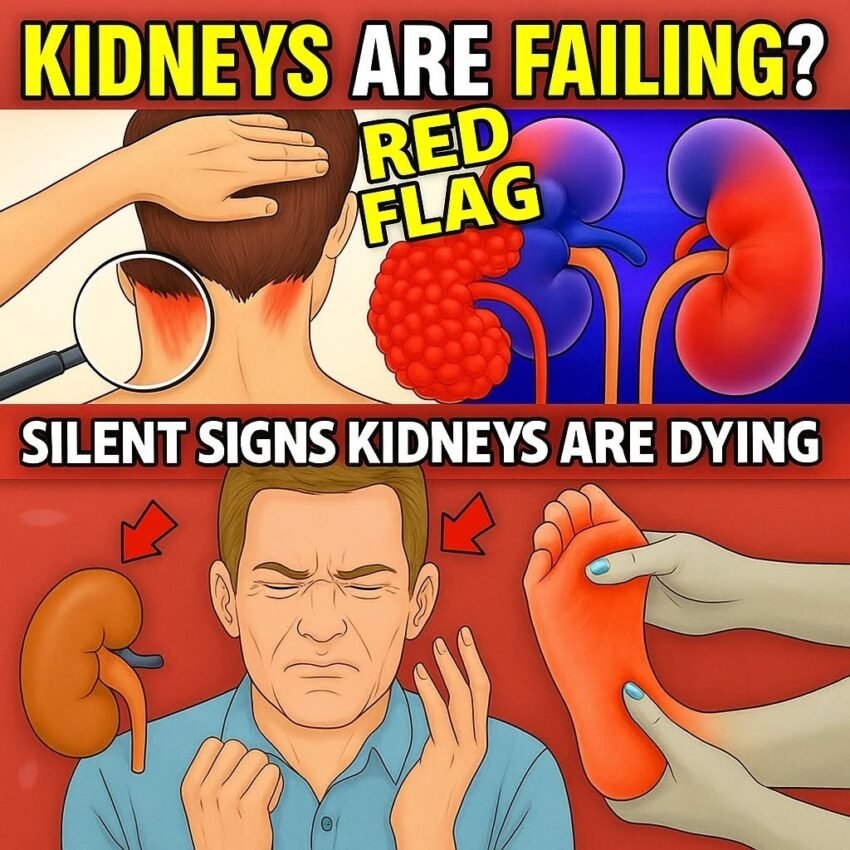
Kidney failure often develops gradually, and the early warning signs can be subtle. The kidneys filter waste, balance fluids, control blood pressure, regulate minerals, and help make hormones involved in blood production. When kidney function declines, changes may appear throughout the body.
Below are 10 silent signs of kidney problems that many people miss. These signs do not always mean kidney failure—many can have other causes—but they are worth discussing with a healthcare professional, especially if they persist or occur with risk factors like diabetes, high blood pressure, heart disease, or a family history of kidney disease.
1. Unusual Tiredness and Weakness
One of the most commonly overlooked signs of reduced kidney function is persistent fatigue.
Healthy kidneys help remove waste products from the blood and produce a hormone called erythropoietin, which signals the body to make red blood cells. When kidneys are damaged:
- Waste products can build up in the bloodstream, causing a feeling of being unwell.
- Lower erythropoietin levels can lead to anemia (low red blood cells).
- Less oxygen reaches muscles and tissues.
Possible symptoms include:
- Feeling exhausted even after adequate sleep
- Reduced energy during normal activities
- Difficulty concentrating
- Feeling mentally “foggy”
2. Changes in Urination
Because kidneys produce urine, changes in urination can be an important clue.
Watch for:
Increased urination, especially at night
Needing to wake up multiple times to urinate may occur when kidneys lose their ability to concentrate urine.
Reduced urine output
A significant decrease in urine can happen when kidney function becomes severely impaired.
Foamy or bubbly urine
Excess protein leaking into urine (proteinuria) can create persistent foam.
Blood in urine
Blood may appear due to kidney disease, stones, infections, or other conditions and should be checked.
3. Swelling in Feet, Ankles, Hands, or Face
The kidneys maintain the body’s fluid balance. When they cannot remove enough salt and water, fluid can accumulate.
Common areas of swelling:
- Ankles and feet
- Lower legs
- Hands
- Around the eyes, especially in the morning
This swelling is called edema.
Other conditions, including heart or liver problems, can also cause swelling, so medical evaluation is important.
4. Persistent Itchy Skin
Severe or ongoing itching can occur in advanced kidney disease.
Possible reasons include:
- Build-up of waste products in the blood
- Imbalances in calcium and phosphorus
- Dry skin related to kidney dysfunction
The itching may:
- Affect large areas of the body
- Become worse at night
- Occur without a visible rash
5. Loss of Appetite, Nausea, or Metallic Taste
As kidney function declines, waste products can accumulate (sometimes called uremia).
Possible symptoms:
- Poor appetite
- Nausea or vomiting
- Bad breath
- Metallic taste in the mouth
- Food tasting different
- Unintentional weight loss
These symptoms are often mistaken for stomach problems.
6. Shortness of Breath
Kidney problems can contribute to breathing difficulties in several ways:
Fluid buildup
Extra fluid may collect in the lungs, making breathing harder.
Anemia
Low red blood cell levels reduce oxygen delivery, causing breathlessness.
People may notice:
- Getting tired quickly while walking
- Shortness of breath when lying down
- Reduced exercise ability
7. High Blood Pressure That Is Difficult to Control
The kidneys and blood pressure are closely connected.
Damaged kidneys may:
- Fail to regulate fluid levels properly
- Release hormones that increase blood pressure
At the same time, uncontrolled high blood pressure can damage kidney blood vessels.
A cycle can develop:
High blood pressure → kidney damage → worse blood pressure control
8. Back or Side Pain (Sometimes)
Many kidney diseases do not cause pain, which is why kidney problems can remain unnoticed.
However, pain may occur with conditions such as:
- Kidney stones
- Kidney infections
- Blockages affecting urine flow
Possible symptoms:
- Pain in the side or lower back
- Pain that comes in waves
- Fever or burning during urination (especially with infection)
9. Muscle Cramps and Bone Problems
Kidneys help maintain proper levels of minerals such as calcium and phosphorus.
When kidney function declines, mineral balance may become disturbed.
Possible symptoms:
- Muscle cramps
- Twitching
- Bone discomfort
- Weakness
Long-term kidney disease can contribute to bone weakening because of changes in vitamin D and mineral regulation.
10. Difficulty Sleeping and Restless Legs
Sleep problems are common among people with chronic kidney disease.
Possible causes:
- Waste buildup affecting the nervous system
- Itching that interrupts sleep
- Restless legs syndrome
- Breathing problems during sleep
Signs include:
- Trouble falling asleep
- Waking frequently
- Uncomfortable leg sensations
- Daytime tiredness
Risk Factors That Increase the Chance of Kidney Disease
You have a higher risk if you have:
- Type 2 diabetes mellitus
- Hypertension
- Heart disease
- Obesity
- Kidney stones
- Family history of kidney disease
- Long-term use of certain pain medicines (especially some NSAIDs)
- Smoking
Tests That Check Kidney Health
Doctors commonly use:
1. Blood tests
- Creatinine: Measures waste buildup in blood.
- eGFR (estimated glomerular filtration rate): Estimates how well kidneys filter.
2. Urine tests
- Protein in urine (albumin)
- Blood in urine
- Other abnormalities
3. Imaging
An ultrasound or other scans may be used to look for structural problems.
When to Seek Medical Help Quickly
Seek urgent medical attention if you experience:
- Very little or no urine
- Severe swelling
- Severe shortness of breath
- Confusion or extreme drowsiness
- Chest pain
- Persistent vomiting
- Blood in urine
How to Protect Your Kidneys
Helpful habits include:
- Keep blood pressure controlled
- Manage blood sugar if you have diabetes
- Drink enough water (avoid both dehydration and excessive fluid intake)
- Maintain a healthy weight
- Avoid unnecessary use of painkillers
- Avoid smoking
- Eat a balanced diet with appropriate salt intake
- Get regular kidney checks if you are at risk
Important: Kidney disease can progress silently for years. Many people feel normal until kidney function is significantly reduced, which is why routine testing is especially important for people with risk factors.