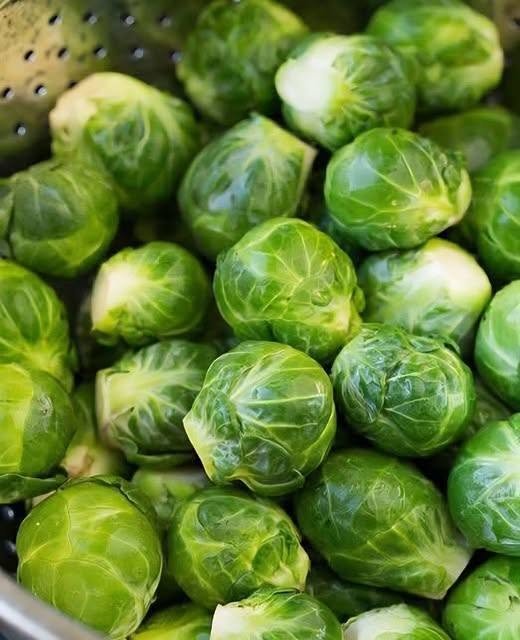
Here’s a detailed look.
Yes, many people eat Brussels sprouts, and they’re quite popular among people who enjoy roasted, sautéed, or steamed vegetables. They have a strong flavor that some people dislike, but cooking methods make a big difference. Roasting them with olive oil, garlic, spices, or a little lemon can make them much more appealing.
Nutritional benefits of Brussels sprouts
1. High in fiber
- Brussels sprouts are rich in dietary fiber, which supports:
- Healthy digestion
- Regular bowel movements
- A feeling of fullness after meals
- Better blood sugar control
2. Rich in vitamins
- Vitamin C: Supports immune function, collagen production, wound healing, and antioxidant protection.
- Vitamin K: Important for normal blood clotting and bone health.
- Folate (vitamin B9): Helps with cell division and is especially important during pregnancy.
- Vitamin A compounds: Support eye and skin health.
3. Packed with antioxidants
Brussels sprouts contain compounds such as:
- Glucosinolates
- Sulforaphane-related compounds
- Flavonoids
These plant compounds help protect cells from oxidative stress and are being studied for their possible role in reducing inflammation and supporting long-term health.
4. May support heart health
Their fiber, potassium, and antioxidant content may contribute to:
- Healthier cholesterol levels
- Better blood vessel function
- Reduced inflammation
5. Supports healthy bones
Because they contain vitamin K and other nutrients involved in bone metabolism, Brussels sprouts can contribute to maintaining bone strength as part of a balanced diet.
6. May help with weight management
They are:
- Low in calories
- High in fiber
- Nutrient-dense
This combination can help people feel satisfied while eating fewer calories.
7. Supports gut health
The fiber in Brussels sprouts acts as a food source for beneficial gut bacteria, which can support a healthier gut microbiome.
Possible downsides
- They can cause gas or bloating in some people because of their fiber and sulfur-containing compounds.
- People taking blood thinners such as warfarin should keep vitamin K intake consistent and discuss dietary changes with their healthcare provider.
Best ways to eat them
- Roasted: olive oil + salt + pepper + garlic
- Stir-fried with other vegetables
- Steamed and topped with lemon
- Shredded raw into salads or slaws
A typical serving (about 1 cup cooked) can provide a large amount of vitamin C and vitamin K while adding relatively few calories, making Brussels sprouts one of the more nutrient-dense vegetables.