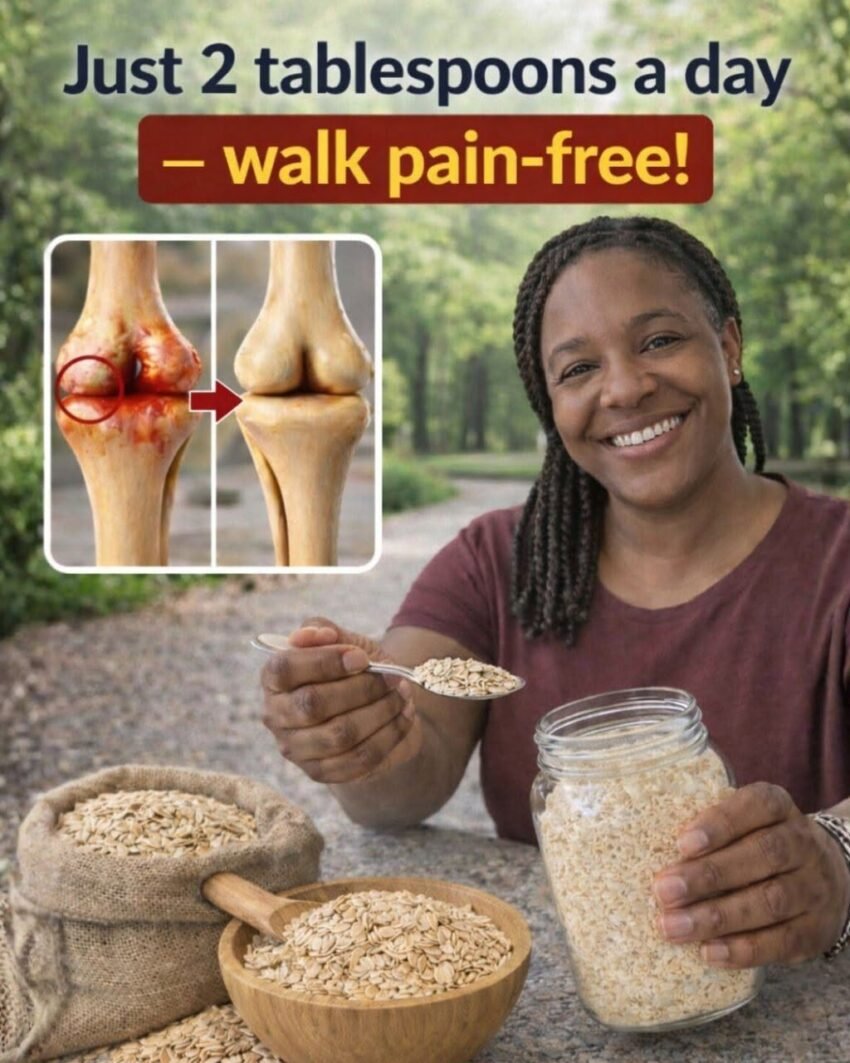
The claim that a 97-year-old orthopedic doctor has revealed a food that can restore knee cartilage in just 24 hours is not supported by credible scientific evidence. This is a common headline used in misleading advertisements and clickbait.
Can knee cartilage regenerate in 24 hours?
No. Cartilage is one of the slowest tissues in the body to heal because it has very little blood supply. Current medical research shows:
- No food can rebuild damaged knee cartilage in 24 hours.
- Cartilage repair, when it occurs, takes weeks to months.
- Severe cartilage loss from osteoarthritis cannot be reversed by diet alone.
Foods that support cartilage and joint health
While no food can instantly regrow cartilage, a nutritious diet can support joint health, reduce inflammation, and provide the building blocks your body needs.
1. Fatty fish (best source of omega-3s)
Examples:
- Salmon
- Sardines
- Mackerel
- Trout
Benefits:
- Reduce joint inflammation
- May decrease stiffness and pain
- Support overall joint function
Aim for 2–3 servings per week.
2. Bone broth
Contains:
- Collagen
- Gelatin
- Amino acids such as glycine and proline
Potential benefits:
- May provide nutrients involved in cartilage formation.
- Research is mixed, and there’s no strong evidence it rebuilds cartilage by itself.
3. Collagen-rich foods
Examples:
- Chicken skin
- Fish skin
- Slow-cooked meats with connective tissue
Hydrolyzed collagen supplements have shown modest improvements in joint pain in some studies, though evidence for cartilage regeneration is limited.
4. Vitamin C-rich fruits
Examples:
- Oranges
- Kiwi
- Strawberries
- Guava
- Bell peppers
Vitamin C is essential because your body needs it to produce collagen.
5. Leafy green vegetables
Examples:
- Spinach
- Kale
- Broccoli
These provide:
- Vitamin K
- Vitamin C
- Antioxidants
They may help reduce inflammation and support bone health.
6. Nuts and seeds
Examples:
- Walnuts
- Almonds
- Chia seeds
- Flaxseeds
Benefits:
- Healthy fats
- Vitamin E
- Magnesium
- Omega-3s (especially walnuts and flaxseeds)
7. Olive oil
Extra virgin olive oil contains compounds with anti-inflammatory properties that may help reduce joint discomfort.
8. Beans and legumes
Examples:
- Lentils
- Chickpeas
- Black beans
Benefits:
- Plant protein
- Zinc
- Magnesium
Protein is important for maintaining muscles that support the knees.
9. Dairy or fortified alternatives
Examples:
- Milk
- Yogurt
- Cheese
Provide:
- Calcium
- Vitamin D (if fortified)
- Protein
These nutrients help maintain healthy bones.
10. Eggs
Contain:
- High-quality protein
- Vitamin D
- Sulfur-containing amino acids that contribute to connective tissue health.
Nutrients important for cartilage
- Protein: Needed to build and repair tissues.
- Vitamin C: Required for collagen production.
- Vitamin D: Supports bone and muscle health.
- Calcium: Essential for strong bones.
- Omega-3 fatty acids: Help reduce inflammation.
- Zinc: Supports tissue repair.
- Copper and manganese: Involved in connective tissue formation.
What research says about supplements
Some supplements have been studied for knee osteoarthritis:
- Collagen peptides: May modestly reduce pain in some people.
- Glucosamine sulfate: Mixed evidence; some people report symptom relief, but it does not reliably regrow cartilage.
- Chondroitin sulfate: May provide small improvements in pain and function for some individuals.
- Turmeric (curcumin): May reduce inflammation and pain, though effects vary.
These supplements are not cures and should be discussed with a healthcare professional, especially if you take other medications.
Habits that protect knee cartilage
- Maintain a healthy body weight.
- Exercise regularly with low-impact activities such as walking, cycling, or swimming.
- Strengthen the muscles around the knee, especially the quadriceps and hamstrings.
- Avoid smoking.
- Eat a balanced diet rich in fruits, vegetables, lean protein, and healthy fats.
Bottom line
There is no food that can restore knee cartilage in 24 hours, regardless of who makes the claim. If you have knee pain or osteoarthritis, the best-supported approach combines:
- A healthy, balanced diet
- Regular exercise and muscle strengthening
- Weight management (if needed)
- Appropriate medical treatment when necessary
If you’re interested, I can also provide a 7-day meal plan specifically designed to support knee cartilage and reduce joint inflammation, based on current scientific evidence.