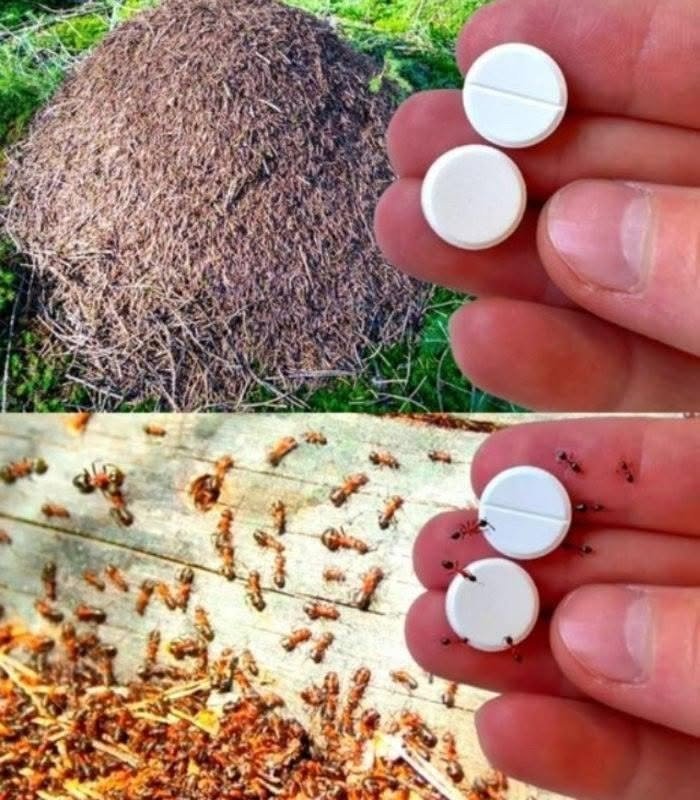
If you want to get rid of ants without using chemical pesticides, the most effective approach is to combine prevention, natural repellents, and nest management. Natural methods may take a little longer than insecticides, but they are safer for children, pets, and the environment.
Why ants come into your home
Ants usually enter homes in search of:
- Food (especially sugary or greasy foods)
- Water
- Shelter during hot, cold, or rainy weather
Worker ants leave a pheromone trail that guides other ants to the food source. Removing this trail is one of the most important parts of controlling them.
Step 1: Find out where the ants are coming from
Before using any remedy:
- Follow the ant trail.
- Locate entry points such as cracks in walls, windows, doors, or gaps around pipes.
- Observe whether ants are coming from indoors or outdoors.
This helps you treat the source instead of only the visible ants.
Step 2: Remove food sources
Good sanitation is the most effective natural ant control.
Keep the kitchen clean
- Wipe countertops after every meal.
- Sweep crumbs daily.
- Clean spills immediately.
- Wash dirty dishes promptly.
Store food properly
Use airtight containers for:
- Sugar
- Flour
- Cereals
- Rice
- Pet food
Take out garbage regularly
- Empty indoor bins daily.
- Wash garbage cans occasionally to remove food residue.
Step 3: Eliminate water sources
Ants also need moisture.
Check for:
- Leaking faucets
- Wet sponges
- Standing water
- Damp sinks
- Pet water spills
Repair leaks whenever possible.
Step 4: Destroy scent trails naturally
After seeing ants, clean their trail with:
White vinegar solution
Mix:
- 1 part white vinegar
- 1 part water
Spray directly on:
- Floors
- Countertops
- Baseboards
- Windowsills
The vinegar removes pheromone trails so other ants cannot follow them.
Lemon juice
Fresh lemon juice works similarly.
Mix:
- Equal parts lemon juice and water
Spray around:
- Doors
- Windows
- Ant trails
Step 5: Seal entry points
Prevent ants from returning.
Seal:
- Cracks in walls
- Window gaps
- Door gaps
- Pipe openings
Use:
- Silicone caulk
- Weather stripping
- Door sweeps
Step 6: Natural ant repellents
These don’t usually kill ants but discourage them from entering.
Cinnamon
Sprinkle ground cinnamon around:
- Doorways
- Windows
- Pantry shelves
Or use cinnamon essential oil diluted with water.
Peppermint oil
Mix:
- 10–20 drops peppermint essential oil
- 1 cup water
Spray around entry points.
Many ants dislike the strong smell.
Clove
Whole cloves or clove oil can help repel ants around cupboards and windows.
Black pepper
Sprinkle around:
- Cracks
- Baseboards
- Ant trails
Coffee grounds
Used coffee grounds placed outside near nests or entry points may discourage some ant species, though evidence for their effectiveness is mixed.
Citrus peels
Orange or lemon peels can be placed near entry points. They may help repel ants for a short time but need frequent replacement.
Bay leaves
Place bay leaves in:
- Pantry shelves
- Sugar containers
- Flour storage areas
Some people find they help deter ants.
Step 7: Diatomaceous earth (food grade)
Food-grade diatomaceous earth is a natural powder made from fossilized algae.
It works by:
- Damaging the ants’ outer protective layer
- Causing them to dehydrate
How to use:
- Sprinkle a thin layer around entry points.
- Keep it dry, since moisture reduces its effectiveness.
- Avoid inhaling the dust during application.
Use only food-grade diatomaceous earth, not the type intended for pool filters.
Step 8: Natural homemade ant bait
Repellents keep ants away, but bait can help reduce the colony because worker ants carry it back to the nest.
One commonly used homemade bait combines:
- Sugar (to attract ants)
- A small amount of borax or boric acid (to affect the colony)
However, borax and boric acid are chemicals and can be harmful if swallowed by children or pets, so they are not appropriate if your goal is to avoid chemicals entirely.
Step 9: Deal with outdoor nests
If you find an outdoor nest:
Boiling water
Pour carefully into the nest.
This may kill part of the colony but may not eliminate large or deep nests.
Soap solution
Mix:
- Water
- A small amount of biodegradable dish soap
Pour into the nest.
Soap disrupts the ants’ protective coating, but results vary depending on the colony.
Step 10: Keep plants away from the house
Trim bushes and tree branches touching your home.
Ants often use them as bridges into the house.
Step 11: Maintain your yard
Reduce nesting sites by:
- Removing piles of wood
- Cleaning fallen leaves
- Keeping mulch away from the foundation
- Storing firewood off the ground and away from the house
Natural methods that have limited scientific support
These are popular home remedies, but evidence for consistent effectiveness is limited:
- Chalk lines
- Baking soda alone
- Cornmeal
- Baby powder
- Talcum powder
They may work in some situations but are generally less reliable than good sanitation, sealing entry points, and removing scent trails.
What not to do
- Don’t crush ants without cleaning the area afterward, as pheromones can attract more ants.
- Don’t leave pet food out overnight.
- Don’t ignore small ant trails, as they often grow into larger infestations.
How long does natural control take?
- 1–3 days: Fewer ants after cleaning and removing scent trails.
- 1–2 weeks: Noticeable reduction if food sources are eliminated and entry points are sealed.
- Several weeks: Larger colonies may take longer to disappear, especially if the nest is outdoors.
Best natural routine
For the best results:
- Clean up food and water sources every day.
- Wipe ant trails with a vinegar-and-water solution.
- Seal cracks and entry points.
- Apply natural repellents like peppermint oil or cinnamon around entrances.
- Use food-grade diatomaceous earth in dry areas where ants enter.
- Continue these steps consistently for several weeks.
If ant activity remains heavy despite these measures, the colony may be very large or located inside walls or under the foundation. In that case, identifying the nest location or consulting a pest control professional may be necessary.