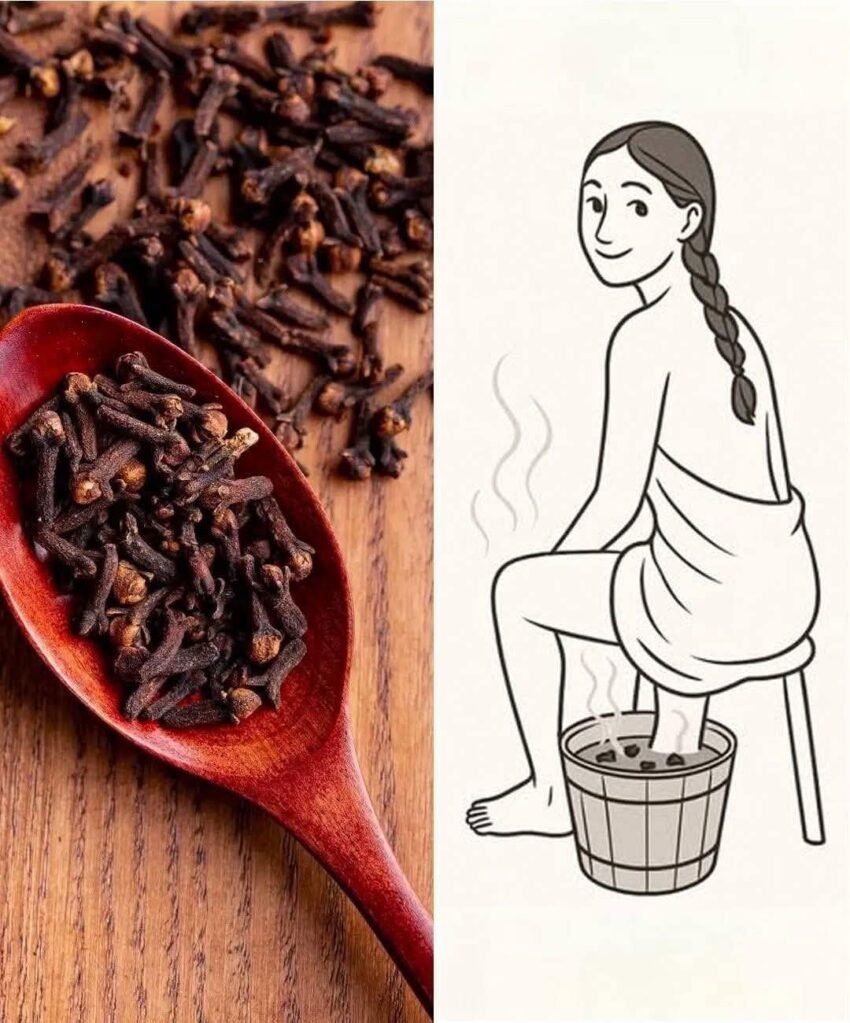
Cloves are the dried flower buds of the clove tree and have been used in cooking and traditional medicine for centuries. While they are not a cure-all, they contain compounds such as eugenol, antioxidants, and small amounts of vitamins and minerals that may offer some benefits.
1. May Help Relieve Menstrual Discomfort
Cloves contain eugenol, a compound with anti-inflammatory and pain-relieving properties. Some women find that warm clove tea helps ease mild menstrual cramps and discomfort.
How to use:
Steep 2–3 cloves in hot water for 5–10 minutes.
Drink once or twice daily during your period.
Note: Severe menstrual pain should be evaluated by a healthcare professional.
2. Supports Oral Health
Clove oil has antimicrobial properties and has traditionally been used for toothaches and gum discomfort.
How to use:
Add cloves to your diet.
For tooth pain, diluted clove oil is sometimes used temporarily until dental care is available.
Important: Undiluted clove oil can irritate tissues and should not be swallowed in large amounts.
3. Rich in Antioxidants
Cloves are among the most antioxidant-rich spices. Antioxidants help protect cells from damage caused by free radicals.
Practical tip:
Add ground cloves to tea, oatmeal, smoothies, or baked goods.
4. May Support Digestive Comfort
Traditionally, cloves have been used to reduce bloating and support digestion.
How to use:
Drink mild clove tea after a heavy meal.
Use cloves in cooking to add flavor and digestive benefits.
5. May Help Freshen Breath Naturally
The aromatic compounds in cloves can help reduce bad breath temporarily.
How to use:
Chew one whole clove for a few minutes.
Alternatively, use clove-infused warm water as a mouth rinse.
6. Can Be a Useful Addition During Cold Season
Cloves have warming and antimicrobial properties that may help soothe throat irritation.
How to use:
Add cloves to tea with honey and lemon.
Include cloves in warm soups and beverages.
Remember: They may help with comfort but do not treat serious infections.
7. May Support Healthy Blood Sugar Control
Some early research suggests compounds in cloves may help the body use insulin more effectively, though more studies are needed.
Practical tip:
Use cloves regularly as part of a balanced diet rather than relying on supplements.
Safety Tips
Use cloves in moderation; excessive intake may cause stomach irritation.
Clove oil is much more concentrated than whole cloves and should be used cautiously.
Pregnant or breastfeeding women should consult a healthcare professional before using large amounts of clove supplements or clove oil.
People taking blood-thinning medications should be cautious, as cloves may increase bleeding risk in high amounts.
A practical daily approach is to use 1–3 whole cloves in tea, cooking, or spice blends rather than taking large medicinal doses. This provides flavor and potential benefits while minimizing the risk of side effects.