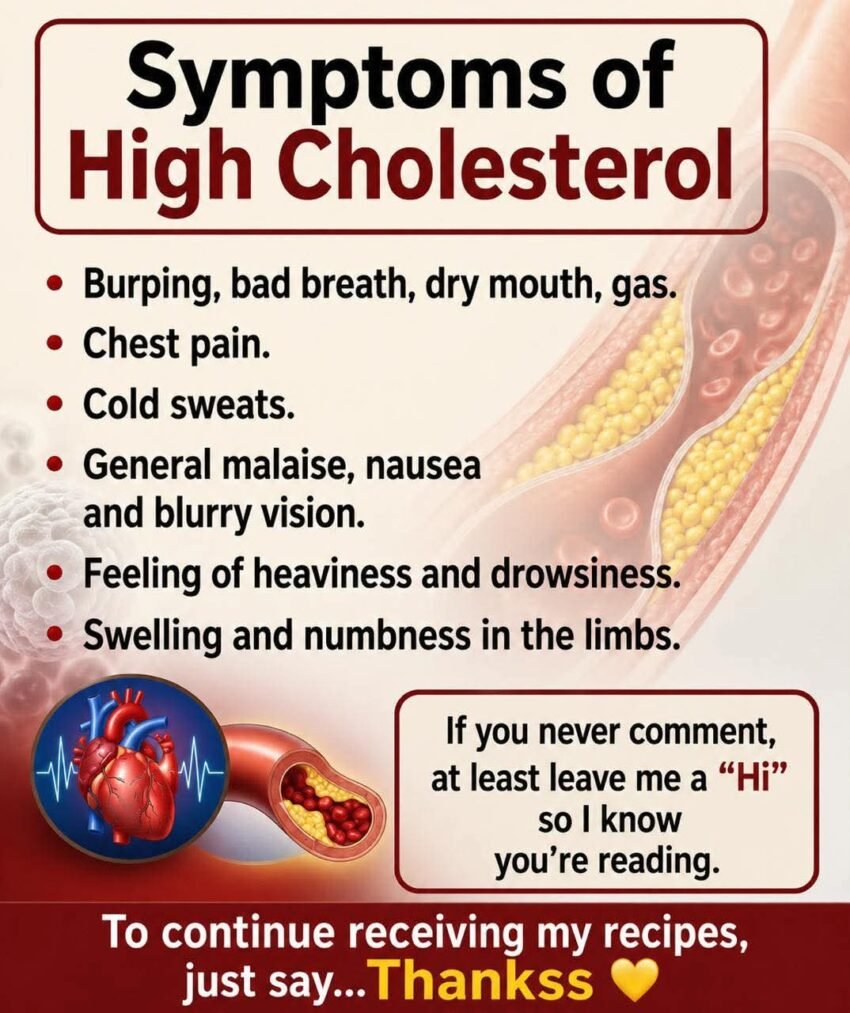
High cholesterol is often called a “silent condition” because it usually causes no noticeable symptoms until it has already contributed to problems in the blood vessels or heart.
Why High Cholesterol Often Has No Symptoms
Cholesterol can gradually build up inside arteries, forming plaques that narrow blood flow. This process, called Atherosclerosis, can develop over many years without causing any warning signs.
The only way to know your cholesterol level is through a blood test (lipid profile).
Possible Signs of Long-Term High Cholesterol
1. Chest Pain (Angina)
When cholesterol buildup narrows the arteries supplying the heart, you may experience:
Pressure, tightness, or pain in the chest
Discomfort during exercise or stress
Pain that improves with rest
This may indicate underlying heart disease.
2. Shortness of Breath
Reduced blood flow to the heart can make physical activity feel more difficult and may cause:
Breathlessness during exertion
Reduced exercise tolerance
Fatigue with routine activities
3. Leg Pain While Walking
Cholesterol buildup can affect arteries in the legs, leading to:
Cramping in the calves, thighs, or hips when walking
Pain that improves with rest
Cold feet or legs
This can be a sign of Peripheral Artery Disease.
4. Stroke Warning Signs
If cholesterol contributes to blocked arteries supplying the brain, symptoms may include:
Sudden weakness on one side of the body
Facial drooping
Difficulty speaking
Sudden vision changes
Loss of balance
These symptoms require immediate medical attention.
5. Heart Attack Symptoms
A blocked coronary artery may cause:
Chest pressure or pain
Pain spreading to the arm, shoulder, jaw, neck, or back
Shortness of breath
Nausea
Cold sweats
This is a medical emergency.
Physical Signs Sometimes Seen
Yellow Deposits Around the Eyes
Called Xanthelasma, these are:
Soft yellowish patches on the eyelids
More common in people with cholesterol disorders
Not always caused by high cholesterol, but worth discussing with a doctor
Fatty Deposits in Tendons or Skin
Some people with inherited cholesterol disorders develop:
Firm lumps on tendons (especially hands, elbows, knees, or Achilles tendon)
Yellowish skin deposits
These may occur in familial cholesterol conditions.
White or Gray Ring Around the Cornea
A ring around the colored part of the eye can occur with aging, but in younger people it may be associated with elevated cholesterol levels.
Risk Factors for High Cholesterol
Diet high in saturated or trans fats
Overweight or obesity
Lack of exercise
Smoking
Diabetes
High blood pressure
Family history of high cholesterol
Increasing age
When to Get Tested
Adults should have cholesterol checked periodically, even if they feel healthy. Testing is especially important if you have:
A family history of high cholesterol or heart disease
Diabetes
High blood pressure
Excess weight
Smoking history
Cholesterol Levels (General Reference)
For many adults:
Total cholesterol: Less than 200 mg/dL (5.2 mmol/L)
LDL (“bad”) cholesterol: Lower is generally better
HDL (“good”) cholesterol: Higher is generally better
Triglycerides: Lower is generally better
If you have your cholesterol numbers (total cholesterol, LDL, HDL, and triglycerides), I can help interpret what they mean and whether they are in a healthy range.