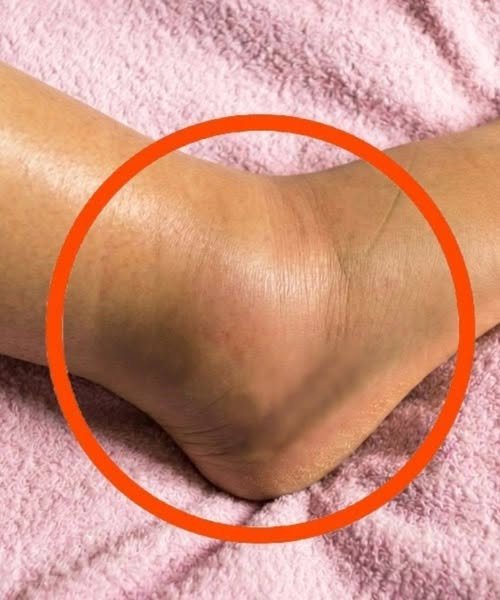
Here are the most important conditions associated with swollen legs:
1. Heart Failure
One of the most common medical causes of swelling in both legs is heart failure.
Why it happens:
- The heart cannot pump blood efficiently.
- Blood backs up in the veins.
- Fluid leaks into surrounding tissues, causing swelling.
Other symptoms:
- Shortness of breath
- Fatigue
- Rapid weight gain (from fluid)
- Difficulty lying flat because of breathing problems
2. Deep Vein Thrombosis (DVT)
A DVT is a blood clot in a deep vein, usually in one leg. This is a medical emergency because the clot can travel to the lungs.
Symptoms:
- Swelling in one leg
- Pain or tenderness
- Warm skin
- Red or discolored skin
Seek emergency care immediately if you also have:
- Sudden shortness of breath
- Chest pain
- Coughing up blood
3. Kidney Disease
Healthy kidneys remove excess salt and water from the body. When they aren’t working properly, fluid builds up.
Symptoms:
- Swelling in the feet, ankles, or legs
- Puffiness around the eyes
- Changes in urination
- High blood pressure
4. Liver Disease
Conditions such as cirrhosis reduce the liver’s ability to produce proteins that help keep fluid inside blood vessels.
Symptoms:
- Swollen legs
- Swollen abdomen (ascites)
- Yellowing of the skin or eyes (jaundice)
- Easy bruising
5. Chronic Venous Insufficiency
This occurs when the valves in the leg veins do not work properly.
Symptoms:
- Swelling that worsens throughout the day
- Aching or heaviness in the legs
- Varicose veins
- Skin discoloration near the ankles
6. Lymphedema
The lymphatic system drains excess fluid from tissues. If it is damaged or blocked, swelling develops.
Causes:
- Cancer treatment
- Surgery
- Infection
- Congenital conditions
Symptoms:
- Persistent swelling
- Feeling of heaviness
- Thickened skin
7. Certain Medications
Some medicines can cause leg swelling as a side effect.
Examples include:
- Calcium channel blockers (used for high blood pressure)
- Steroids
- Hormone therapy (estrogen or testosterone)
- Certain diabetes medications (such as pioglitazone)
- Some anti-inflammatory medicines (NSAIDs)
Never stop a prescribed medication without speaking with your healthcare provider.
8. Infection
An infection in the skin or deeper tissues can cause swelling.
Symptoms:
- Redness
- Warmth
- Pain
- Fever
- Pus or drainage
People with diabetes are at higher risk for serious foot and leg infections.
9. Pregnancy
Mild swelling in the feet and ankles is common during pregnancy because the body retains more fluid.
However, sudden swelling, especially in the face or hands, can be a sign of preeclampsia, a potentially dangerous pregnancy complication that requires prompt medical evaluation.
10. Injury
Sprains, fractures, or muscle tears often cause localized swelling.
Other signs include:
- Pain
- Bruising
- Difficulty walking
- Reduced range of motion
Risk Factors
Your risk of leg swelling is higher if you:
- Are older
- Sit or stand for long periods
- Have obesity
- Smoke
- Have heart, kidney, or liver disease
- Are pregnant
- Recently had surgery
- Recently traveled on a long flight or car ride
When to Seek Emergency Medical Care
Go to the emergency department or call your local emergency services if leg swelling is accompanied by:
- Sudden shortness of breath
- Chest pain
- Fainting
- Coughing up blood
- One leg that becomes suddenly swollen, painful, red, and warm
- Severe injury with inability to bear weight
When to Make a Doctor’s Appointment
Arrange a medical evaluation if:
- Swelling lasts more than a few days.
- It keeps coming back.
- It is getting worse.
- It is associated with weight gain, fatigue, or reduced urination.
- You have heart, kidney, or liver disease.
Self-Care Measures for Mild Swelling
If the swelling is mild and not due to an emergency condition, you can try:
- Elevating your legs above heart level several times a day.
- Walking regularly and avoiding prolonged sitting or standing.
- Reducing excess salt (sodium) in your diet.
- Wearing compression stockings if recommended by a healthcare professional.
- Maintaining a healthy weight.
Bottom line
Swollen legs can result from something as simple as prolonged standing, but they can also signal serious conditions such as heart failure, deep vein thrombosis, kidney disease, liver disease, or chronic vein problems. If the swelling is sudden, affects only one leg, is painful, or occurs with symptoms like chest pain or shortness of breath, seek immediate medical attention. Persistent or unexplained swelling should be evaluated by a healthcare professional to identify and treat the underlying cause.