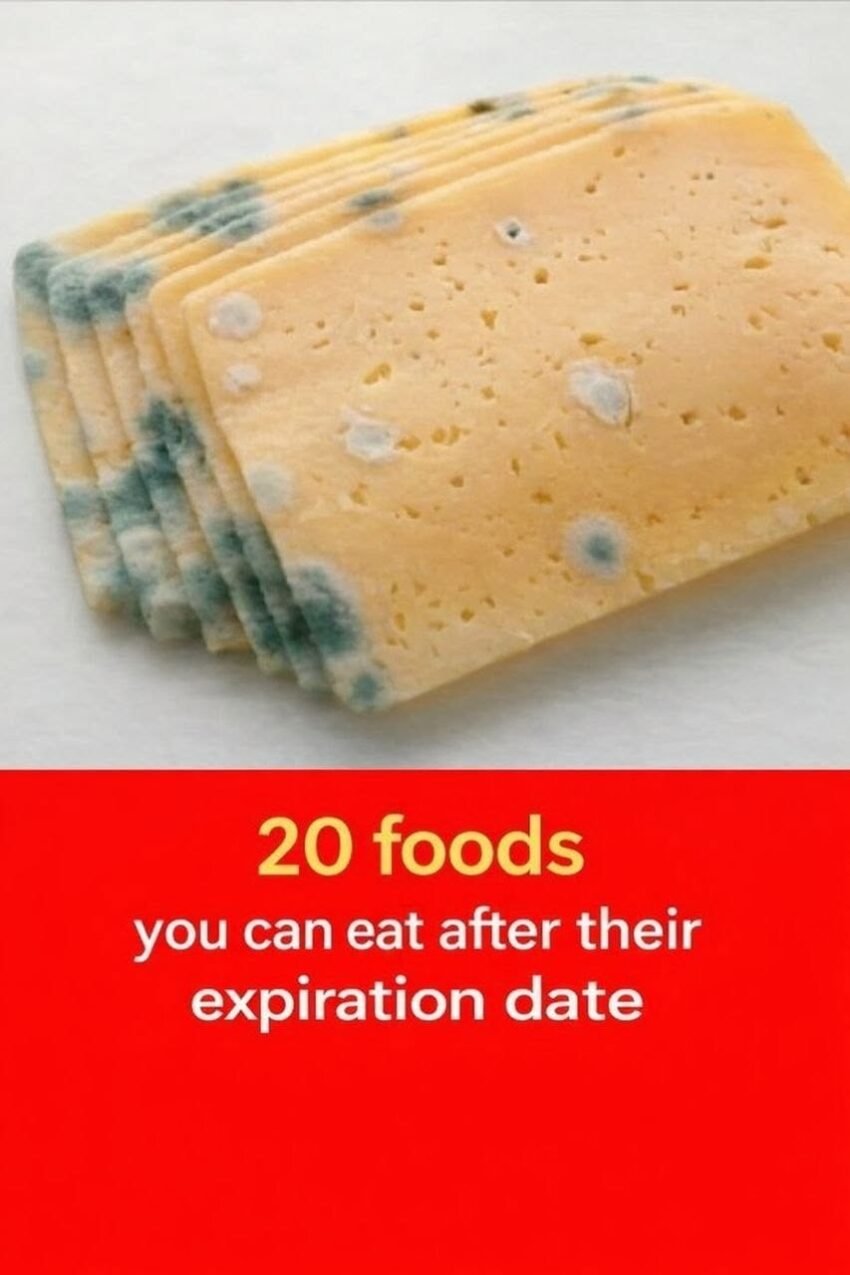
Many foods remain safe to eat after the expiration date, depending on the type of date on the package and how the food has been stored. In many countries, labels such as “Best Before” indicate quality rather than safety. However, “Use By” dates are generally safety-related and should be followed, especially for highly perishable foods.
Here are 20 foods you can often eat after their expiration or “best before” date, along with details:
| Food | How Long After Date?* | Why It Often Lasts Longer |
|---|---|---|
| 1. Rice (white) | Years | Low moisture prevents bacterial growth. |
| 2. Dried Pasta | 1–2 years | Remains safe if kept dry and sealed. |
| 3. Honey | Indefinitely | Natural sugars and low water content prevent spoilage. |
| 4. Salt | Indefinitely | Pure mineral that does not spoil. |
| 5. Sugar | Indefinitely | Doesn’t support microbial growth when kept dry. |
| 6. Vinegar | Indefinitely | High acidity preserves it naturally. |
| 7. Soy Sauce | 1–3 years | High salt content acts as a preservative. |
| 8. Peanut Butter | 3–6 months (unopened) | High fat and low moisture slow spoilage. |
| 9. Hard Cheese | 3–4 weeks | Mold can often be cut away (about 2.5 cm/1 inch around the affected area). |
| 10. Butter | 1–3 months (refrigerated) | Usually remains safe if it smells and tastes normal. |
| 11. Eggs | 3–5 weeks after purchase | Often safe if refrigerated; use the water float test as a rough indicator, though it’s not perfect. |
| 12. Yogurt | 1–2 weeks | Beneficial bacteria can help slow spoilage if continuously refrigerated. |
| 13. Frozen Meat | Months beyond date | If kept continuously frozen, it remains safe, though quality may decline. |
| 14. Frozen Vegetables | 8–12 months | Safe while continuously frozen. |
| 15. Canned Beans | 2–5 years | Safe if the can is not bulging, leaking, or badly damaged. |
| 16. Canned Soup | 2–5 years | Shelf-stable when stored properly. |
| 17. Oats | 6–12 months | Dry storage helps maintain safety. |
| 18. Dry Beans | Several years | Safe if dry, though cooking time may increase with age. |
| 19. Chocolate | Several months | May develop a white “bloom,” which affects appearance but is usually not harmful. |
| 20. Coffee (ground or whole beans) | Several months | Flavor fades over time, but safety is usually not affected if kept dry. |
*These are general estimates and assume the food has been stored properly. Actual shelf life varies by product and storage conditions.
Understanding Date Labels
- Best Before: Indicates when the product is likely to be at its best quality. Many foods are still safe after this date if stored properly.
- Use By: Indicates the last recommended date for safe consumption of highly perishable foods. Do not eat foods past the “Use By” date.
- Sell By: A date for retailers to manage inventory. It is not a safety date for consumers.
Signs You Should Throw Food Away
Do not eat food if you notice:
- A sour, rotten, or unusual odor.
- Mold (except in some hard cheeses where mold can be trimmed safely).
- A slimy or sticky texture.
- Bulging, leaking, or severely dented cans.
- Unusual color changes or signs of fermentation.
Food Safety Tips
- Keep refrigerators at 4°C (40°F) or below.
- Keep freezers at −18°C (0°F) or below.
- Store dry foods in cool, dry, airtight containers.
- When in doubt about a food’s safety, it’s safest to throw it away.
Using expiration dates together with proper storage and checking for signs of spoilage is a better guide than relying on the date alone.