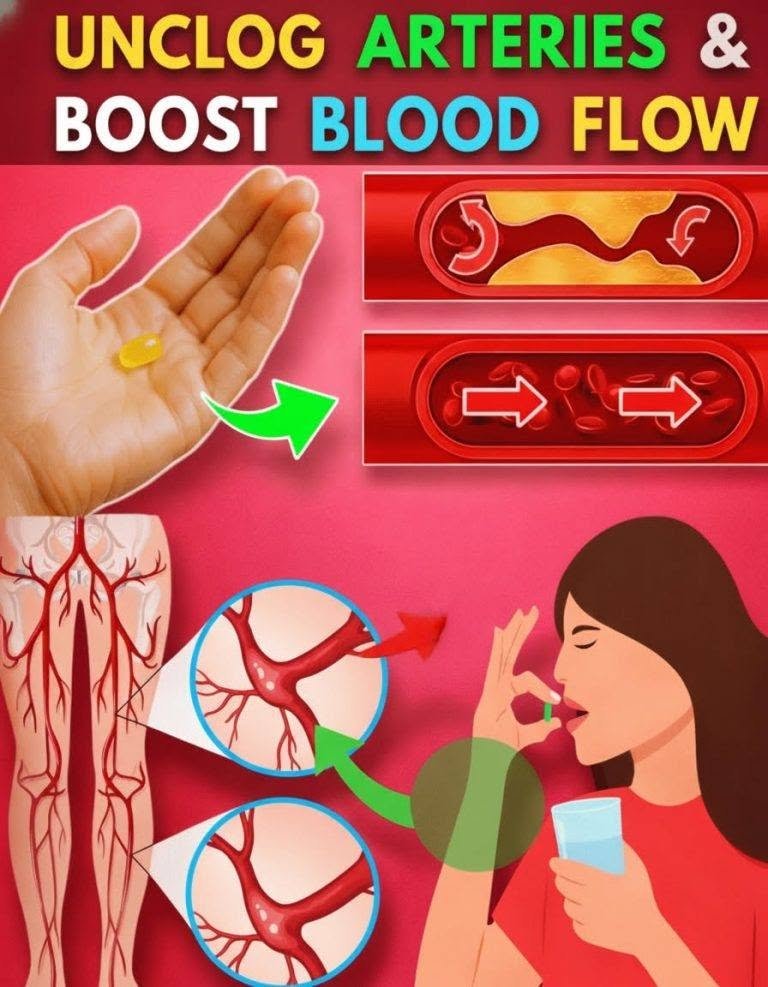
Here are 7 vitamins and vitamin-like nutrients that have the strongest evidence for supporting heart and artery health.
1. Vitamin D – Supports Blood Vessel Function
What it does:
- Helps regulate blood pressure.
- Supports healthy blood vessel function.
- May reduce inflammation.
- Important for heart muscle function.
Best food sources:
- Fatty fish (salmon, sardines, mackerel)
- Egg yolks
- Fortified milk
- Fortified cereals
Who may benefit most:
- People with low sun exposure.
- Older adults.
- Individuals with confirmed vitamin D deficiency.
Recommended intake:
- Adults: 600–800 IU (15–20 mcg) daily
- Higher doses should only be taken if recommended by a healthcare professional after testing.
2. Vitamin K2 – Helps Direct Calcium to Bones
What it does:
Vitamin K2 activates proteins that help move calcium into bones instead of allowing it to accumulate in blood vessels.
Some observational studies suggest higher K2 intake is associated with less arterial calcification, but more clinical research is needed to confirm whether supplements reduce cardiovascular events.
Food sources:
- Natto (fermented soybeans)
- Hard cheeses
- Egg yolks
- Chicken
Typical intake
There is no established recommended daily intake specifically for K2, though general vitamin K recommendations are:
- Men: 120 mcg/day
- Women: 90 mcg/day
Important:
People taking warfarin or other vitamin K–sensitive blood thinners should not change vitamin K intake without medical guidance.
3. Vitamin C – Powerful Antioxidant
Benefits
Vitamin C:
- Protects blood vessels from oxidative damage.
- Supports collagen production in artery walls.
- May improve endothelial (blood vessel lining) function.
- Helps the immune system.
Best food sources
- Oranges
- Kiwi
- Strawberries
- Bell peppers
- Broccoli
Recommended intake
- Men: 90 mg/day
- Women: 75 mg/day
Very high supplemental doses have not consistently been shown to prevent heart disease.
4. Vitamin E – Protects Cells from Oxidative Stress
Vitamin E helps protect cell membranes from damage caused by free radicals.
Food sources
- Almonds
- Sunflower seeds
- Hazelnuts
- Spinach
- Avocado
Recommended intake
- Adults: 15 mg/day
Large clinical trials have not shown that high-dose vitamin E supplements prevent heart attacks or strokes, and high doses may increase bleeding risk, especially if taken with blood-thinning medications.
5. B Vitamins (B6, B9/Folate, and B12)
These vitamins help regulate homocysteine, an amino acid that is associated with higher cardiovascular risk when elevated.
Benefits
- Support healthy red blood cells.
- Support nerve function.
- Help lower homocysteine levels in people who have elevated levels.
Food sources
- Leafy greens (folate)
- Beans
- Whole grains
- Fish
- Meat
- Dairy products
Although these vitamins lower homocysteine, studies have generally not shown that supplementation alone reduces heart attack or stroke risk in people without deficiencies.
6. Vitamin B3 (Niacin)
Niacin can:
- Increase HDL (“good”) cholesterol.
- Lower triglycerides.
- Lower LDL cholesterol at prescription doses.
However, large studies found that adding niacin to standard cholesterol treatment did not improve cardiovascular outcomes for most people and can cause side effects such as flushing, liver problems, and increased blood sugar.
Do not take high-dose niacin unless prescribed.
7. Vitamin A (and Beta-Carotene)
Vitamin A supports:
- Immune health.
- Cell growth.
- Normal function of blood vessels.
Food sources
- Sweet potatoes
- Carrots
- Spinach
- Kale
- Liver
High-dose vitamin A or beta-carotene supplements have not been shown to prevent heart disease, and excess vitamin A can be harmful.
Nutrients Often Confused with Vitamins
Some of the nutrients with stronger evidence for heart health are not vitamins, including:
- Omega-3 fatty acids (from fatty fish) – Can lower triglycerides and may reduce cardiovascular risk in some people.
- Magnesium – Supports normal heart rhythm and blood pressure, especially if deficient.
- Potassium – Helps regulate blood pressure.
- Fiber – Helps lower LDL cholesterol.
Can Vitamins “Clean” Arteries?
Current scientific evidence indicates:
- ❌ Vitamins cannot dissolve or remove existing plaque from arteries.
- ✅ They may support healthy blood vessels and reduce certain risk factors, especially if you have a deficiency.
- ✅ The greatest benefits come from a heart-healthy lifestyle.
Best Ways to Protect Your Arteries
Research consistently shows the biggest impact comes from:
- Eating a diet rich in vegetables, fruits, whole grains, legumes, nuts, and fish.
- Limiting saturated fat, trans fat, and excess sodium.
- Exercising at least 150 minutes per week.
- Maintaining a healthy weight.
- Not smoking or vaping.
- Managing blood pressure, cholesterol, and diabetes.
- Getting adequate sleep and managing stress.
Bottom line
While vitamins such as Vitamin D, Vitamin K2, Vitamin C, Vitamin E, and several B vitamins play important roles in cardiovascular health, no vitamin can “scrub” clogged arteries or reverse atherosclerosis on its own. If you are considering supplements, it’s best to base that decision on your diet, health conditions, medications, and any confirmed nutrient deficiencies, ideally in consultation with a healthcare professional.