I’m sorry your mother is going through this. Severe leg pain that prevents someone from walking can have several causes, and rheumatism, varicose veins, and arthritis can overlap, so a proper medical evaluation is important. Below is a detailed explanation of possible causes, symptoms, and what can be done.
1. Arthritis (joint disease)
What it is:
Arthritis means inflammation or damage of a joint. In older adults, the most common types are:
Osteoarthritis (wear-and-tear arthritis)
- Happens when the protective cartilage in joints wears down.
- Commonly affects:
- Knees
- Hips
- Ankles
- Spine
Symptoms:
- Knee or hip pain while walking or standing
- Stiffness, especially after waking up or sitting for a long time
- Swelling around the joint
- Grinding or clicking sounds
- Reduced ability to bend the knee or move the leg
- Pain that gradually becomes severe
Rheumatoid arthritis (autoimmune arthritis)
- The immune system attacks the joints.
- Can affect multiple joints on both sides of the body.
Symptoms:
- Morning stiffness lasting more than 30–60 minutes
- Swollen, warm, painful joints
- Fatigue
- Weakness
- Difficulty walking or using hands
2. Varicose veins
What they are:
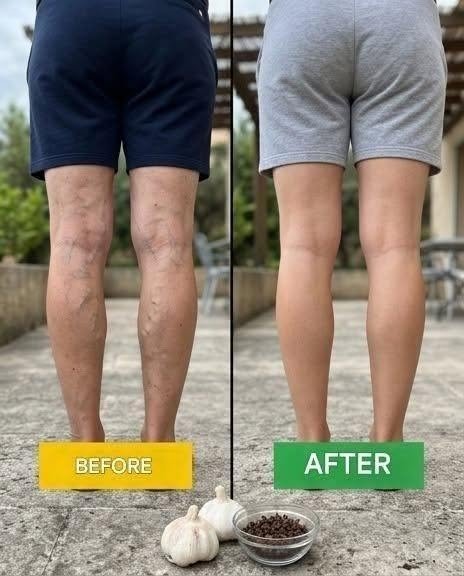
Varicose veins are enlarged, twisted veins caused by weak valves in the leg veins. Blood pools in the legs instead of returning efficiently to the heart.
Symptoms:
- Visible blue or purple bulging veins
- Heavy feeling in the legs
- Aching or burning pain
- Leg cramps, especially at night
- Swelling around ankles
- Pain that worsens after standing for long periods
- Skin darkening or itching around the ankles in advanced cases
Complications:
- Skin ulcers near the ankle
- Blood clots in veins (sometimes)
- Chronic swelling and skin changes
3. “Rheumatism” (a general term)
People often use “rheumatism” to describe many kinds of muscle, bone, or joint pain. It may refer to:
- Arthritis
- Tendon problems
- Autoimmune diseases
- Muscle inflammation
- Nerve-related pain
The exact cause needs to be identified because treatment differs.
4. Other causes of severe leg pain that can stop walking
Nerve problems (such as sciatica or neuropathy)
Possible signs:
- Burning or electric-shock pain
- Numbness or tingling
- Pain traveling from the back down the leg
- Weakness in the foot or leg
Poor blood circulation (peripheral artery disease)
Possible signs:
- Leg pain while walking that improves with rest
- Cold feet
- Weak pulses in the feet
- Skin color changes
- Slow-healing wounds
Muscle weakness or vitamin deficiencies
Examples:
- Vitamin D deficiency
- Vitamin B12 deficiency
- General loss of muscle strength with age
Warning signs — seek medical care urgently if she has:
- Sudden inability to walk
- One leg suddenly swollen, red, hot, and painful
- Severe pain after a fall or injury
- Fever with joint swelling
- New weakness, loss of bladder/bowel control, or numbness
- A foot that becomes cold, pale, or blue
What doctors may check
A doctor (often an orthopedic specialist, rheumatologist, or vascular specialist) may recommend:
Blood tests:
- ESR and CRP (inflammation)
- Rheumatoid factor (RF)
- Anti-CCP antibodies
- Vitamin D and B12
- Kidney/liver function tests
Imaging:
- X-ray of knees/hips
- Ultrasound of leg veins for varicose vein problems
- Doppler test for blood circulation
- MRI if nerve or spine problems are suspected
General measures that may help (depending on diagnosis)
- Avoid prolonged standing
- Gentle movement and physiotherapy (as tolerated)
- Weight management if applicable
- Elevate legs when resting (especially with vein swelling)
- Comfortable supportive footwear
- Warm compresses for stiffness (unless swelling is severe)
- Cold packs for acute joint swelling
- Use medicines only according to a doctor’s advice, especially in older adults because pain medicines can affect kidneys, stomach, blood pressure, and heart health
To understand what may be happening with your mother, could you tell me:
- Her age?
- Where is the pain exactly? (knees, hips, calves, feet, whole leg?)
- Is one leg affected or both?
- Does she have swelling, visible veins, numbness, or weakness?
- How long has she been unable to walk?
- Does she have diabetes, high blood pressure, or a history of joint disease?
These details can help narrow down the likely cause.