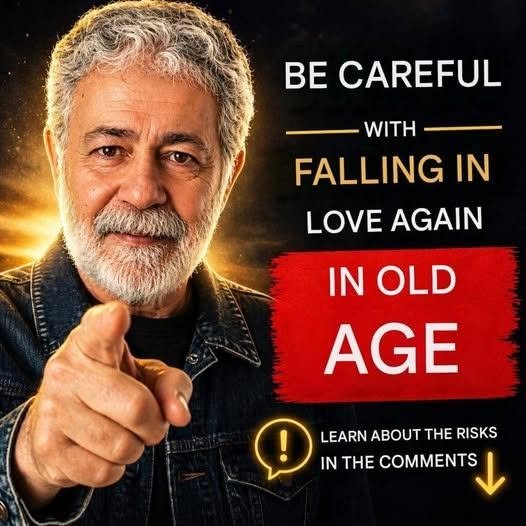
It sounds like you’re asking for a detailed explanation of the idea: “After 60, love is no longer the same… and this is the risk that almost no one sees.” Here is a deeper look:
After 60, Love Is No Longer the Same: The Hidden Risks Many People Don’t See
Love after the age of 60 often changes in ways that are quieter but deeply meaningful. It may become less about excitement, attraction, or building a future from the beginning, and more about companionship, emotional safety, shared memories, and facing life’s later chapters together.
However, there are risks that many people overlook.
1. The Risk of Loving Without Knowing the Reality of Aging
At a younger age, relationships are often built around growth, ambition, and new experiences. After 60, important questions become different:
- How will we handle health changes?
- What happens if one partner becomes dependent on the other?
- Are we emotionally prepared for caregiving responsibilities?
- Do we share the same expectations about retirement, family, and lifestyle?
A relationship may feel perfect emotionally, but practical realities can test it.
2. The Risk of Ignoring Financial Differences
Money can become a sensitive issue later in life. Partners may have different:
- Retirement savings
- Debt situations
- Spending habits
- Family responsibilities
- Expectations about inheritance or support for children
Love does not remove the need for honest financial conversations.
3. The Risk of Seeking Love Only to Escape Loneliness
Loneliness can be powerful after 60, especially after divorce, loss of a spouse, or children leaving home. Sometimes people mistake the relief of not being alone for true compatibility.
A healthy relationship should add happiness to life, not simply fill a painful empty space.
4. The Risk of Bringing Unhealed Past Experiences Into a New Relationship
People over 60 often carry decades of experiences:
- Previous marriages
- Betrayals
- Loss
- Family conflicts
- Emotional wounds
A new partner may be blamed for old pain unless both people are willing to communicate openly.
5. The Risk of Forgetting Personal Independence
A loving relationship should not mean losing your identity. Maintaining:
- Friendships
- Personal interests
- Financial awareness
- Emotional confidence
can make a relationship stronger.
6. The Hidden Gift of Love After 60
Despite these risks, love later in life can be deeply fulfilling. Many people find that mature love brings:
- More patience
- Better communication
- Less pressure to impress
- Greater appreciation for simple moments
- A stronger understanding of what truly matters
After 60, love may not be the same — but different does not mean less valuable. It often becomes less about proving love and more about sharing life with kindness, respect, and honesty.
I can also turn this into a more emotional story-style article, a psychological analysis, or a short viral social media post if you want.